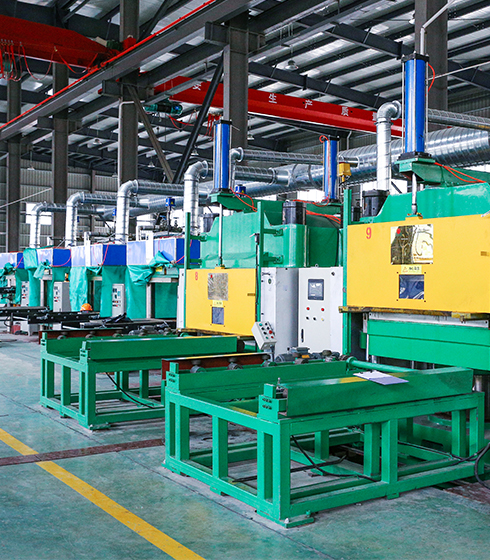
Factory Equipment

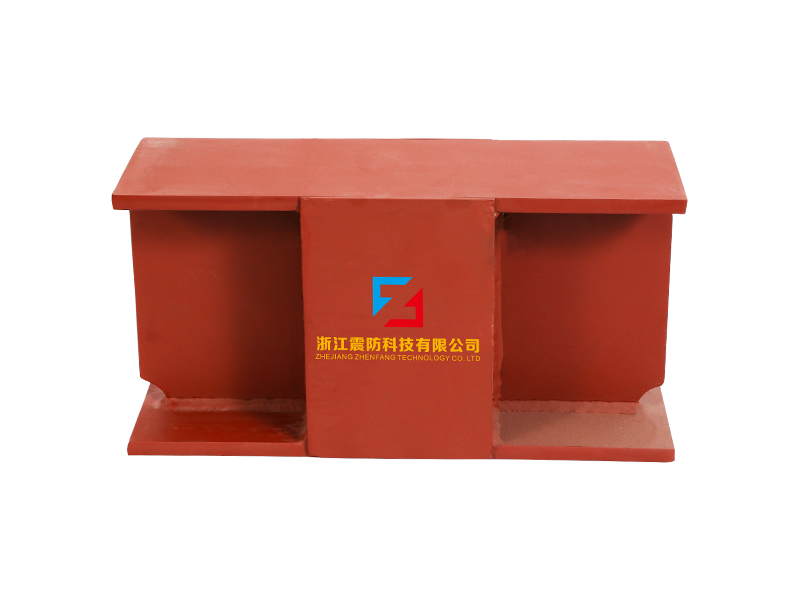
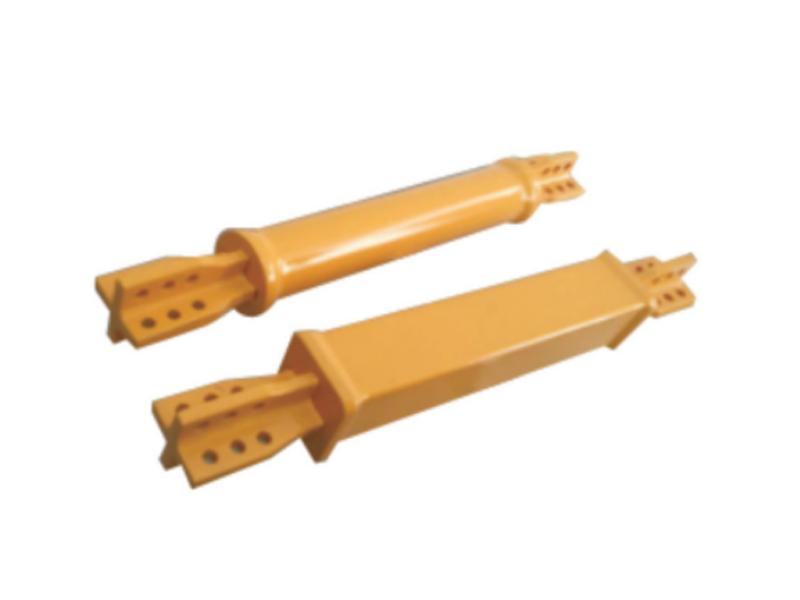
Zhejiang Earthquake Prevention Technology Co., Ltd committed to product research and development, technical consultation, structural analysis and design, production, guide installation and replacement. Professional anti vibration shock absorbers manufacturers and Earthquake shock absorbers for buildings & bridge in China. We have a modern industrial manufacturing production base with a total area of more than 10,800 square meters. The company has more than 50 sets of production equipment. Production capacity: more than 10,000 sets of rubber isolation bearings per year.
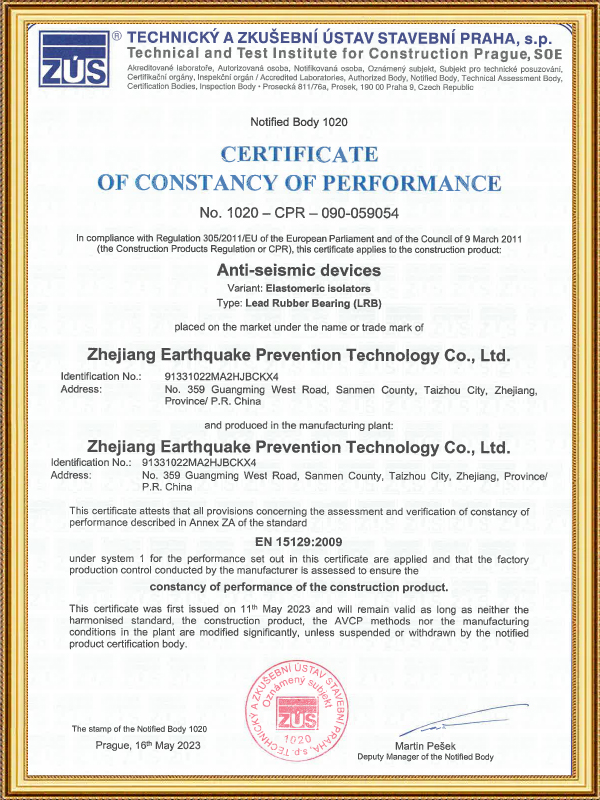
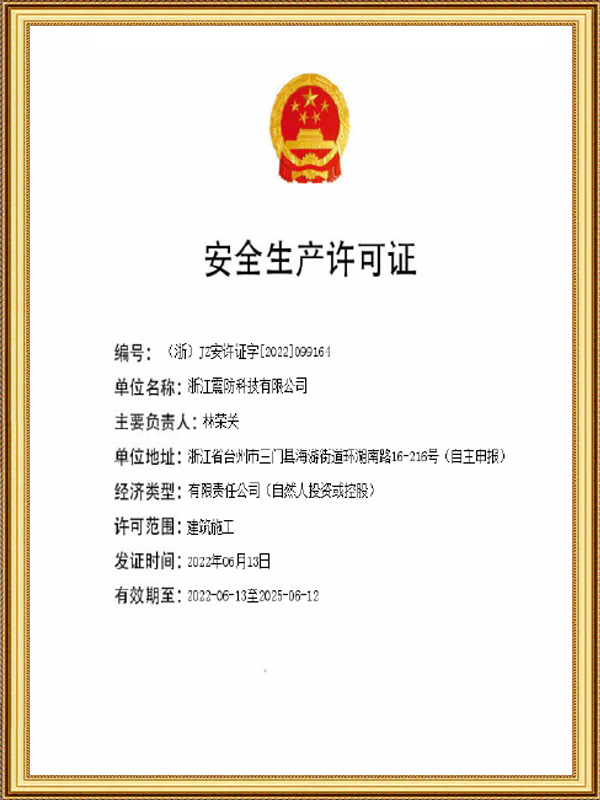
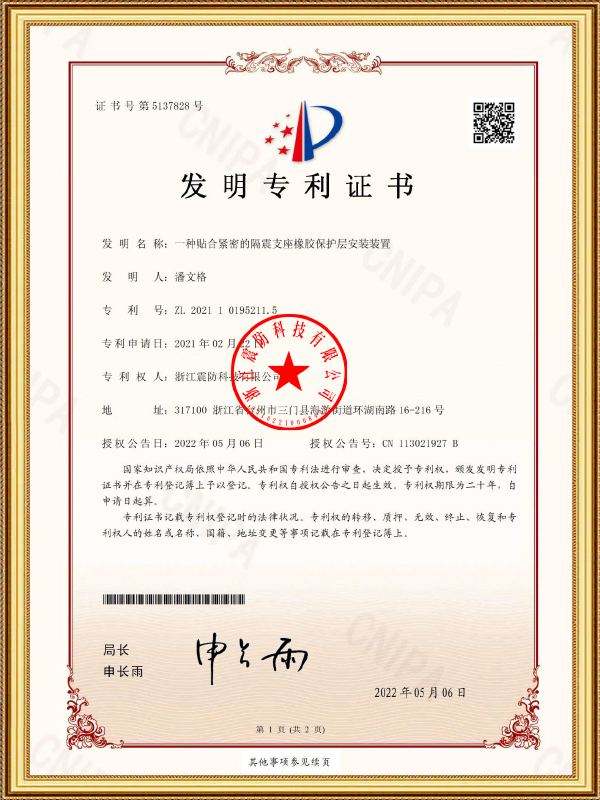
CERTIFICATE

RECENT NEWS

  • Why Do Engineers Care About Re-Centering In A Friction Pendulum Slider?

    When engineers review seismic isolation projects, displacement is usually one of the numbers discussed. However, another topic often appears during de...

    Jun 24,2026

  • Why Does Shape Matter In A Natural Rubber Bearing?

    A natural rubber bearing is often discussed in terms of material properties, load capacity, or flexibility. Yet on many bridge and structural projects...

    Jun 26,2026

  • Why Do Some Seismic Isolation Bearing Systems Age More Evenly?

    A seismic isolation bearing is usually associated with earthquakes, but engineers often spend far more time thinking about what happens between seismi...

    Jun 17,2026

  • Why Does Temperature Change The Behavior Of High Damping Rubber?

    A high damping rubber bearing may look unchanged throughout the year, yet engineers know its behavior is never completely separated from the surroundi...

    Jun 19,2026

Industry knowledge

What is the Earthquake Shock Absorbers For Buildings

Earthquake shock absorbers are devices designed to reduce the impact of earthquakes on buildings and structures. They work by absorbing and dissipating the energy generated by seismic waves, reducing the magnitude of ground motion and reducing the risk of damage to the building.

There are several types of earthquake shock absorbers used in buildings, including:

Base isolation systems: These systems use bearings or sliding elements to decouple the building from the foundation, allowing the building to move independently of the ground.
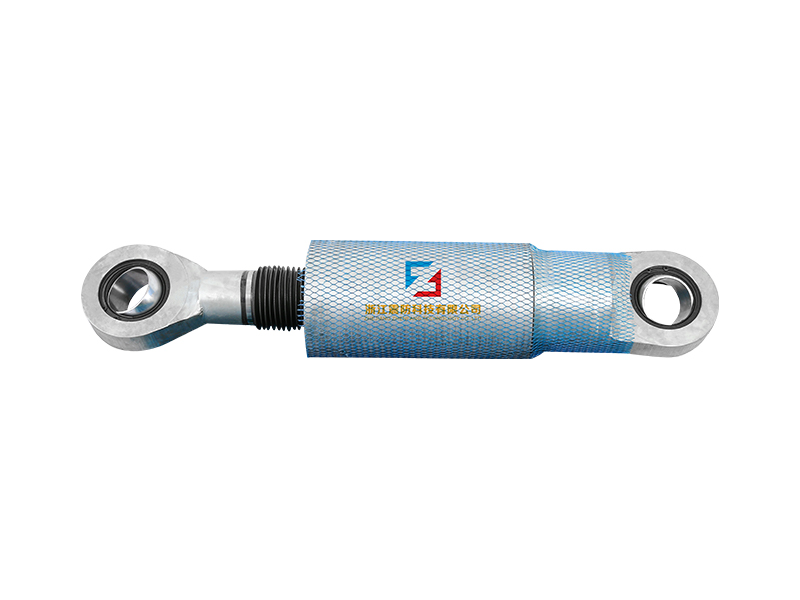
Viscous dampers: These are hydraulic devices that work by converting the energy generated by seismic waves into heat, which is then dissipated.
Tuned mass dampers: These are mechanical systems that use a large mass, suspended by springs, to counteract the motion of the building caused by seismic waves.
Lead-rubber bearings: These are rubber bearings with a lead core, which provide both elastic and damping properties.
Friction pendulum systems: These systems use friction between the pendulum and its support structure to absorb seismic energy.

What are the benefits of Earthquake Shock Absorbers?

The most common type of earthquake shock absorber is the seismic damper, which consists of a hydraulic or pneumatic system that compresses and decompresses during an earthquake, reducing the building's seismic response. Other types of seismic dampers include friction dampers, which use friction to absorb energy, and viscoelastic dampers, which use a combination of viscous and elastic materials to absorb energy.
One of the primary benefits of earthquake shock absorbers is that they can greatly reduce the damage to a building during an earthquake. This can lead to decreased repair costs and reduced downtime, as well as increased safety for the building's occupants. In addition, buildings equipped with earthquake shock absorbers can often be occupied more quickly after an earthquake, as they tend to suffer less damage and require less extensive repairs.
Another benefit of earthquake shock absorbers is that they can improve the overall stability of a building, reducing the likelihood of collapse during an earthquake. This can help to prevent loss of life and property, and can also reduce the amount of debris that can spread throughout the surrounding area.