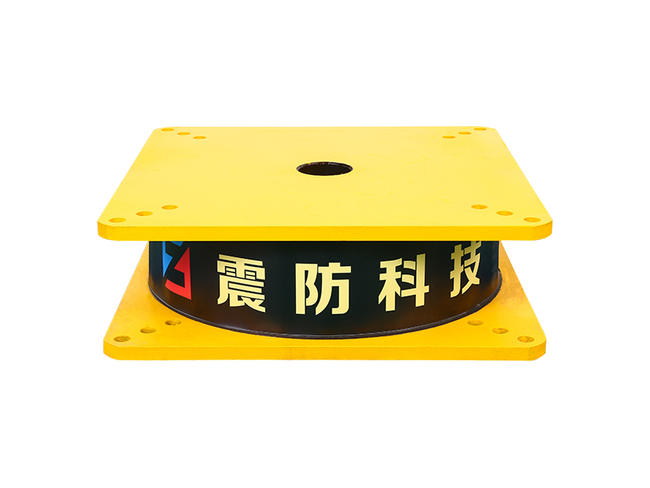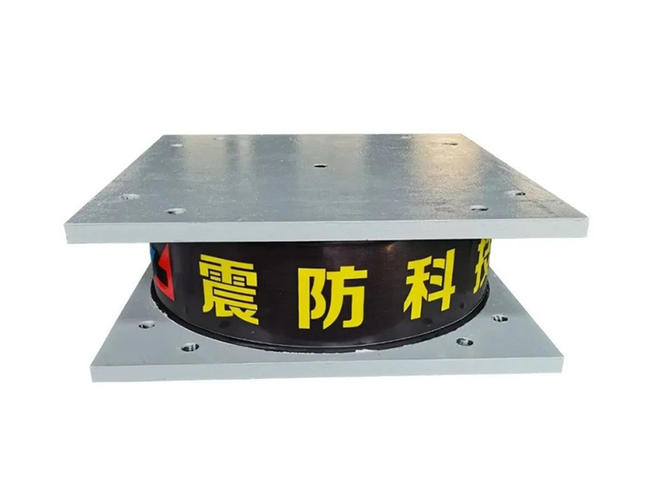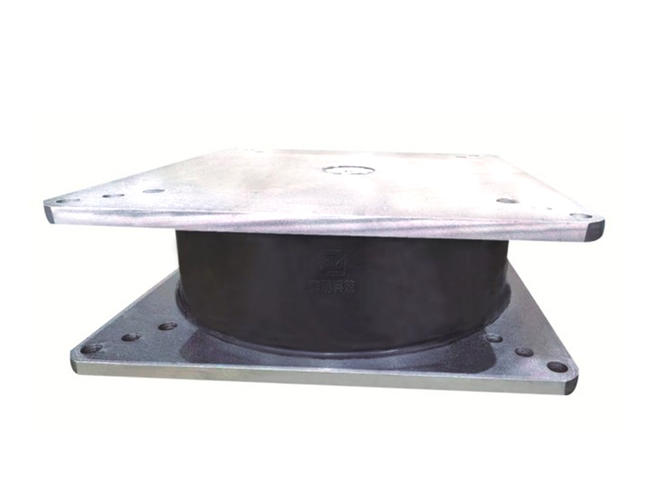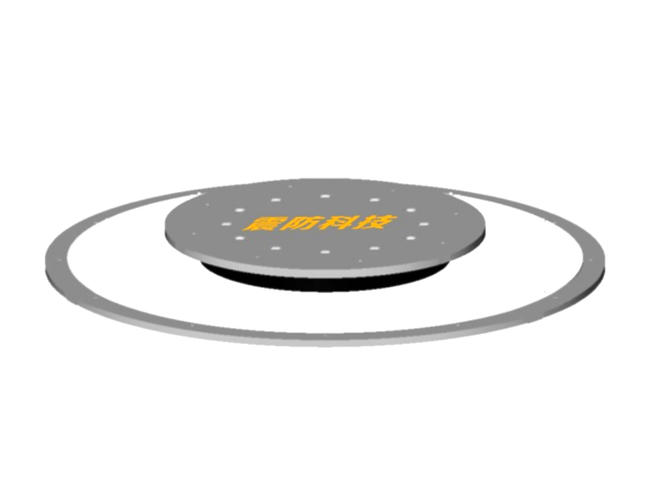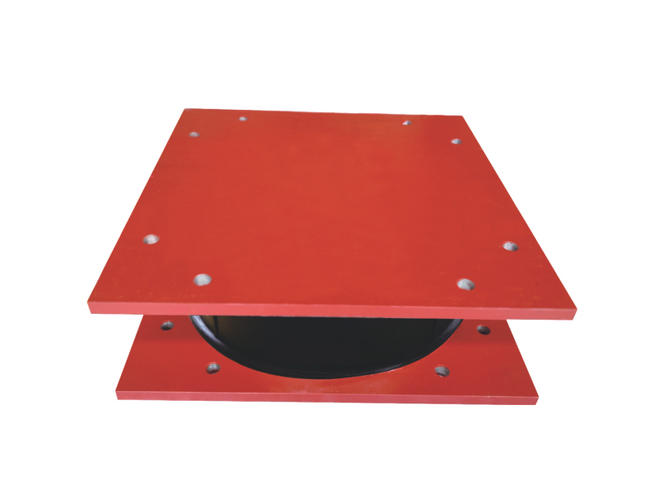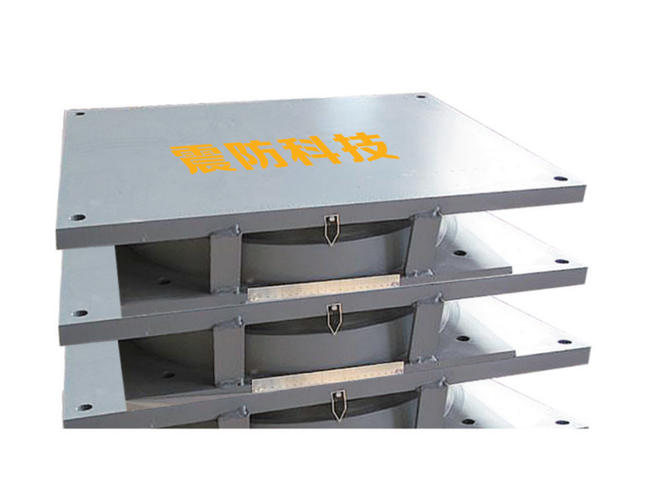
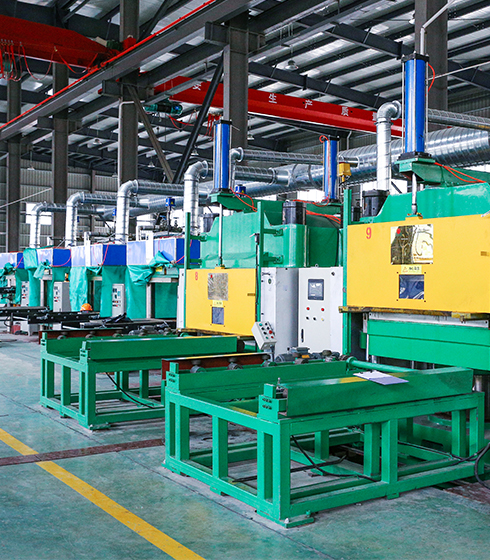
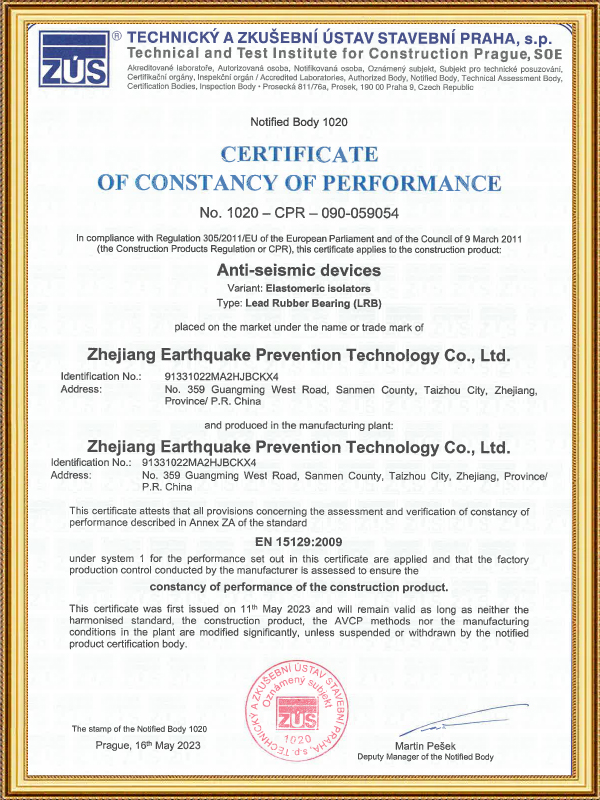
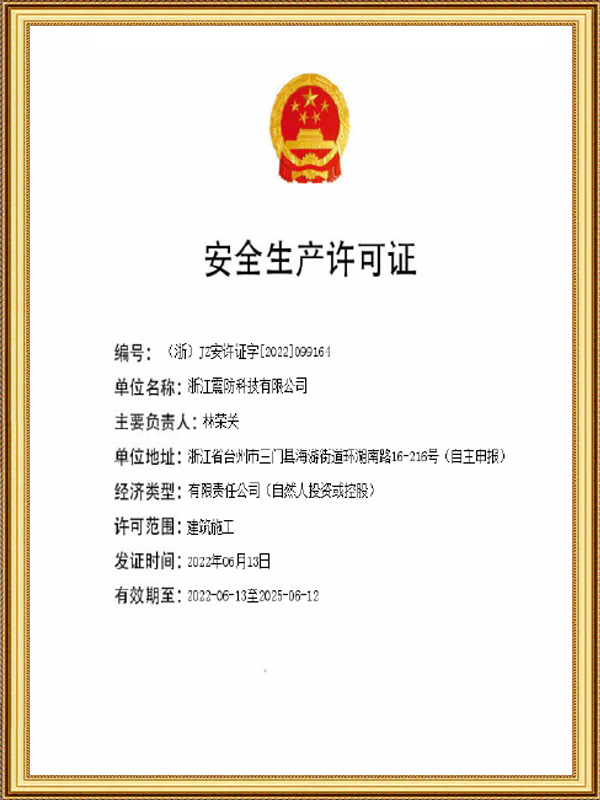
Zhejiang Earthquake Prevention Technology Co., Ltd committed to product research and development, technical consultation, structural analysis and design, production, guide installation and replacement. Professional Natural rubber isolation bearing manufacturers and Seismic Isolation Bearing Manufacturer in China. We have a modern industrial manufacturing production base with a total area of more than 10,800 square meters. The company has more than 50 sets of production equipment. Production capacity: more than 10,000 sets of rubber isolation bearings per year.

Seismic Design Begins With the Project Brief Building seismic protection involves decisions made well before equipment reaches a construction site. St...
Oct 09,2026
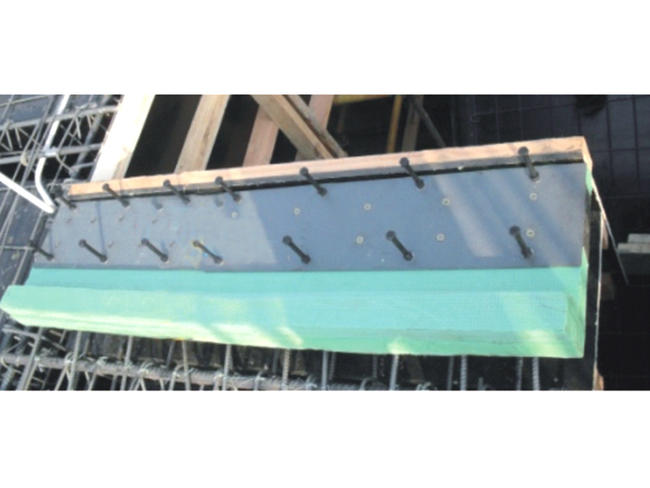
A well-designed bearing does its job only if it lands exactly where the structural drawing puts it. Building rubber isolation bearings sit between the...
Oct 02,2026
Ask what a seismic isolation device manufacturer actually sells, and the honest answer is rarely a single product. Laminated rubber bearings, friction...
Sep 25,2026
The engineering trick behind a building isolation rubber bearing is asking one component to do two contradictory things at once — stay soft enough sid...
Sep 18,2026

The company has been adhering to the corporate tenet of "quality first, customer first", and sincerely welcomes domestic and foreign customers to visit and guide.
GET A QUOTE
Add: No. 359 Guangming West Road, Sanmen County, Taizhou City, Zhejiang Province, China
International Trade Manager: Madison
Tel/Whatsapp:+86-17857335842
Copyright © Zhejiang Earthquake Prevention Technology Co., Ltd. All Rights Reserved.



 English
 日本語
日本語 русский
 简体中文
简体中文