

 English
 日本語
日本語 русский
 简体中文
简体中文
The company has been adhering to the corporate tenet of "quality first, customer first", and sincerely welcomes domestic and foreign customers to visit and guide.
GET A QUOTE
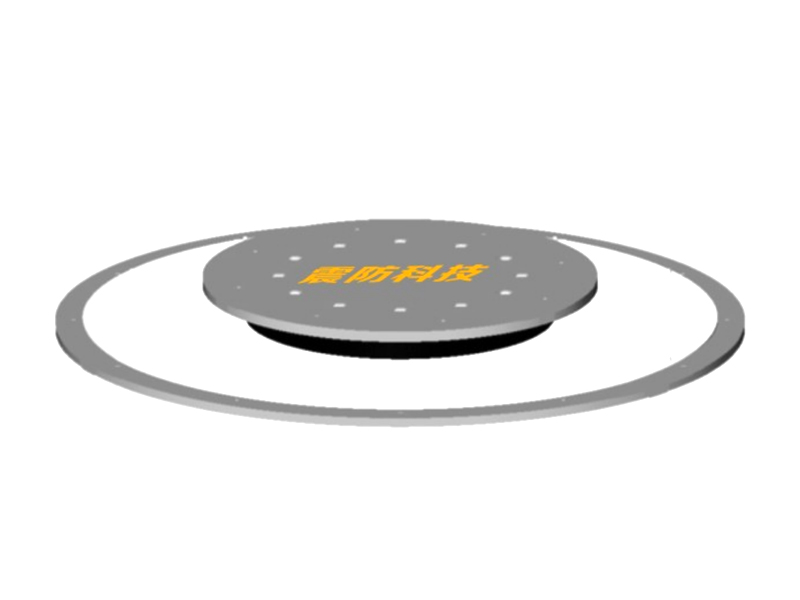
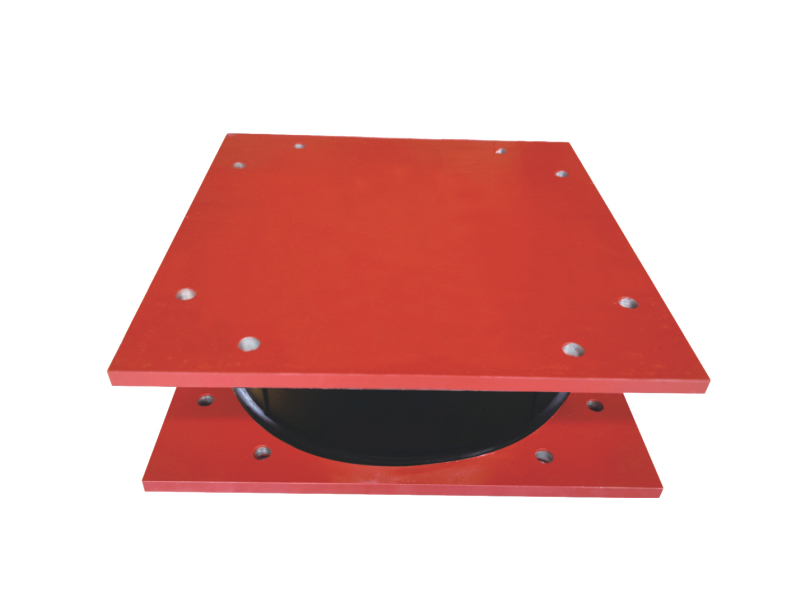
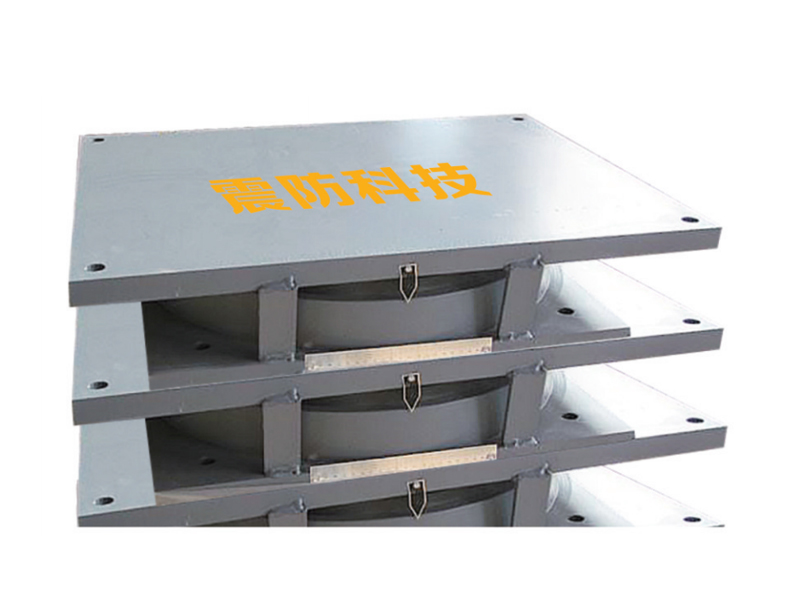
In the critical field of earthquake engineering, a specific technology is proving fundamental to the protection of structures and their occupants: the building isolation rubber bearing. This specialized component is designed to decouple a building from the violent horizontal motions of the ground during seismic events. The strategic integration of the building isolation rubber bearing into a structure’s foundation represents a proactive approach to seismic risk, shifting the design paradigm from resisting forces to isolating the building from them, thereby significantly enhancing safety and reducing potential damage.
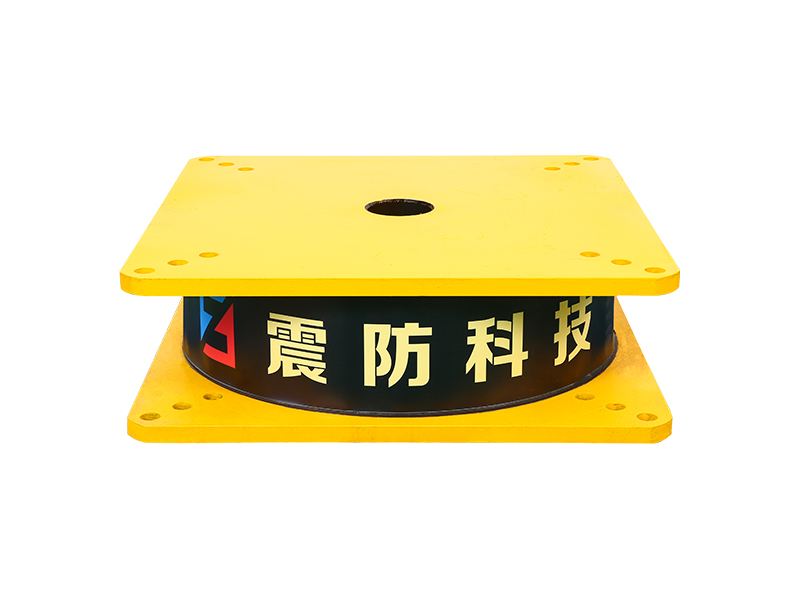
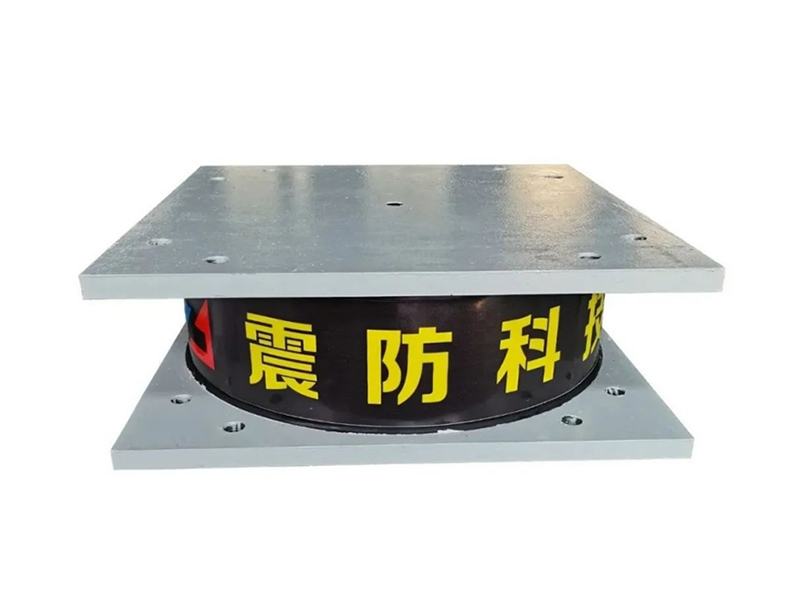
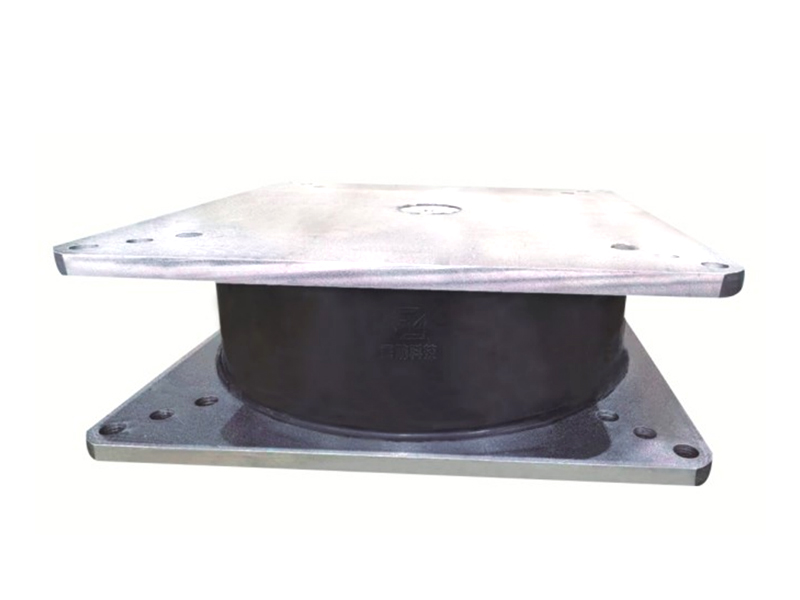
The core function of the building isolation rubber bearing is to provide both flexibility and damping. Typically installed in a layer between the building’s superstructure and its substructure or foundation, each building isolation rubber bearing acts as a sophisticated shock absorber. Its standard construction involves alternating layers of rubber and steel plates, bonded together under heat and pressure. The rubber layers allow for substantial horizontal displacement, enabling the foundation to move while the building above sways more slowly and uniformly. The embedded steel plates provide vertical stiffness to support the building's weight while preventing the rubber from bulging excessively. This design grants the building isolation rubber bearing its unique ability to lengthen the structure's natural period of vibration, moving it away from the dominant frequencies of typical earthquake ground motions.
The performance benefits delivered by a system utilizing building isolation rubber bearings are substantial. During a seismic event, the primary shock is absorbed and dissipated by the deformation within the bearings, rather than being fully transmitted into the building’s columns and beams. This means that a structure equipped with building isolation rubber bearings experiences significantly lower floor accelerations and inter-story drifts. The practical outcome is twofold: it greatly reduces the risk of structural collapse and also lesss non-structural damage to interior elements like partitions, ceilings, and critical building systems. For essential facilities such as hospitals, emergency response centers, data hubs, and museums, the deployment of building isolation rubber bearings is a key strategy for ensuring immediate occupancy and functionality after a major earthquake.
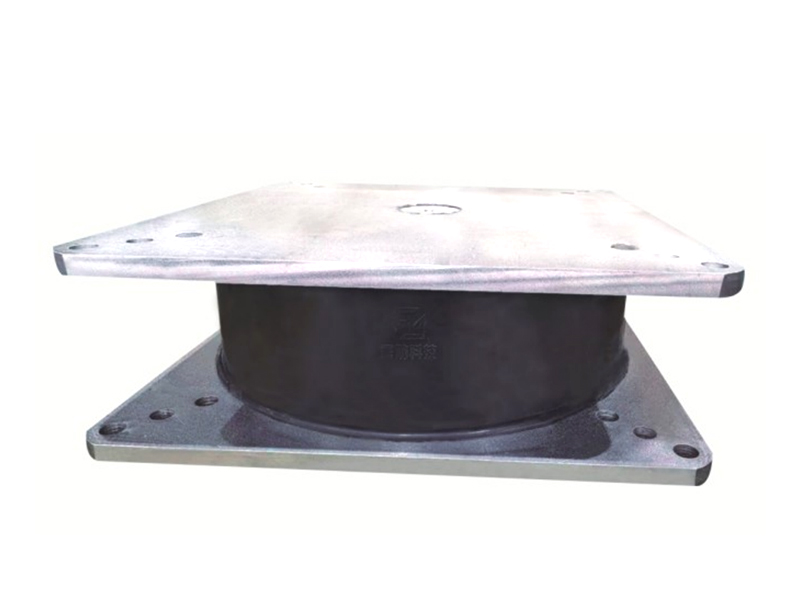
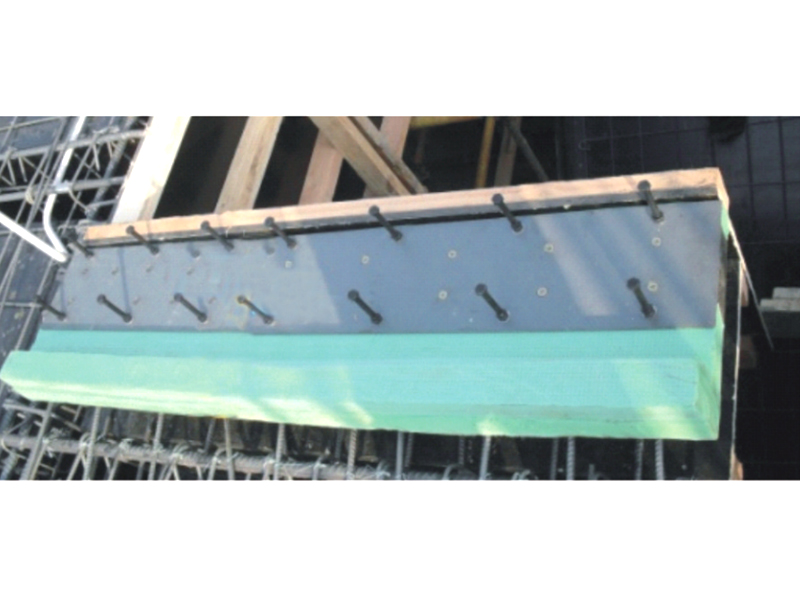
The application of building isolation rubber bearing technology spans new construction and the seismic retrofit of existing, often historically significant, buildings. In new projects, architects and engineers can design superstructures that are more slender and flexible, as the seismic demands are managed at the isolation level. For retrofits, installing a building isolation rubber bearing system can dramatically upgrade a building’s seismic performance without altering its historic façade or significantly disrupting its use. The selection, sizing, and arrangement of the building isolation rubber bearings are calculated based on the building’s weight, geometry, and the specific seismic hazards of the site.
The use of the building isolation rubber bearing is expected to become more widespread as building codes evolve to emphasize performance-based design and community resilience. Its application is also being explored for other critical infrastructure, such as bridges, nuclear facilities, and sensitive industrial plants. As urban development continues in seismically active regions globally, the building isolation rubber bearing stands as a proven and reliable technology. By providing a flexible interface between the earth and our structures, it offers a powerful and elegant solution for mitigating one of nature’s lots of destructive forces, safeguarding both physical infrastructure and human life.

The company has been adhering to the corporate tenet of "quality first, customer first", and sincerely welcomes domestic and foreign customers to visit and guide.
GET A QUOTE
Add: No. 359 Guangming West Road, Sanmen County, Taizhou City, Zhejiang Province, China
International Trade Manager: Madison
Tel/Whatsapp:+86-17857335842
Copyright © Zhejiang Earthquake Prevention Technology Co., Ltd. All Rights Reserved.
