

 English
 日本語
日本語 русский
 简体中文
简体中文
The company has been adhering to the corporate tenet of "quality first, customer first", and sincerely welcomes domestic and foreign customers to visit and guide.
GET A QUOTE
Structural engineers weighing lateral bracing options on a new building or a seismic retrofit project keep facing a practical comparison: can a buckling restrained brace actually replace conventional diagonal steel bracing across an entire project, or does it make more sense reserved for specific bays carrying the ductility demand? Contractors and fabricators supplying this category increasingly find the answer depends on stiffness targets, architectural constraints, and how a project's retrofit budget balances against new-construction flexibility.
Retrofit Applications Versus New Construction
Seismic retrofit projects present a distinct set of constraints that new construction rarely faces, since an existing building's foundation, floor plan, and occupied spaces all limit the locations a contractor can physically install new bracing. A buckling restrained brace suits retrofit work particularly well because its compact cross-section fits into existing bays without the wider footprint a conventional braced frame sometimes requires, letting engineers add significant lateral capacity without displacing existing tenants or requiring extensive structural demolition.
New construction offers more design freedom, and engineers on ground-up projects increasingy specify a buckling restrained brace system from the earliest design phase rather than treating it as a retrofit-only solution, since building the brace's stable hysteretic behavior into the initial lateral system reduces the total steel tonnage needed compared to a conventional moment frame designed to achieve comparable ductility.
|
Project Type |
Primary Constraint |
BRB Advantage |
|
Seismic retrofit |
Limited space, occupied building |
Compact footprint, minimal disruption |
|
New construction |
Design flexibility, cost optimization |
Reduced steel tonnage vs. moment frames |
|
Hospitals and critical facilities |
Continued operation after an earthquake |
Predictable, replaceable damage |
|
High-rise towers |
Drift control at upper stories |
Stable stiffness across many cycles |
Connection Detailing and Installation
Connection design at each brace end determines how effectively load transfers from the frame into the core, and installation crews increasingly follow tighter tolerance requirements for bolt torque and pin alignment than a conventional gusset plate connection typically demands. A buckling restrained brace connection misaligned even slightly during installation can introduce eccentric loading that the core wasn't designed to accommodate, so fabricators increasingly ship braces with connection hardware pre-fit and match-marked to reduce field alignment errors during erection.
Erection sequencing matters more for this bracing type than for conventional steel members, since a brace installed out of plumb or under residual construction stress can enter service with unintended pre-load that shifts its yield behavior away from the design assumptions used in the original analysis.
Post-Earthquake Inspection and Replaceability
One advantage engineers increasingly cite for this bracing category centers on what happens after a significant seismic event rather than during it. A steel core brace designed to yield in a controlled, predictable manner concentrates damage inside a replaceable core rather than distributing unpredictable damage across an entire structural bay, which lets inspection teams assess residual core deformation after an earthquake and replace individual braces rather than evaluating an entire frame for hidden damage.
This replaceability matters considerably for hospitals, emergency operations centers, and other facilities expected to remain functional immediately after a major earthquake, since a damaged conventional brace often requires extensive structural evaluation before occupants can safely reoccupy a building, while a yielded core in this system can sometimes get swapped with comparatively limited downtime.
Stiffness Comparison Against Conventional Systems

Drift control at upper stories of taller structures pushes engineers toward stiffer lateral systems, and a buckling restrained brace provides a predictable stiffness contribution across repeated loading cycles that conventional braces lose once they buckle under compression. This stability across cycles lets engineers rely on more consistent stiffness assumptions throughout a design's service life rather than accounting for potential strength degradation after a moderate seismic event that falls short of triggering full brace replacement.
Comparing this system against base isolation or viscous damper alternatives involves separate engineering trade-offs entirely, since isolation systems address building response differently by decoupling the structure from ground motion rather than dissipating energy through yielding steel, and project teams increasingly evaluate all three approaches together during early design rather than committing to one system type by default.
Sourcing and Project Documentation
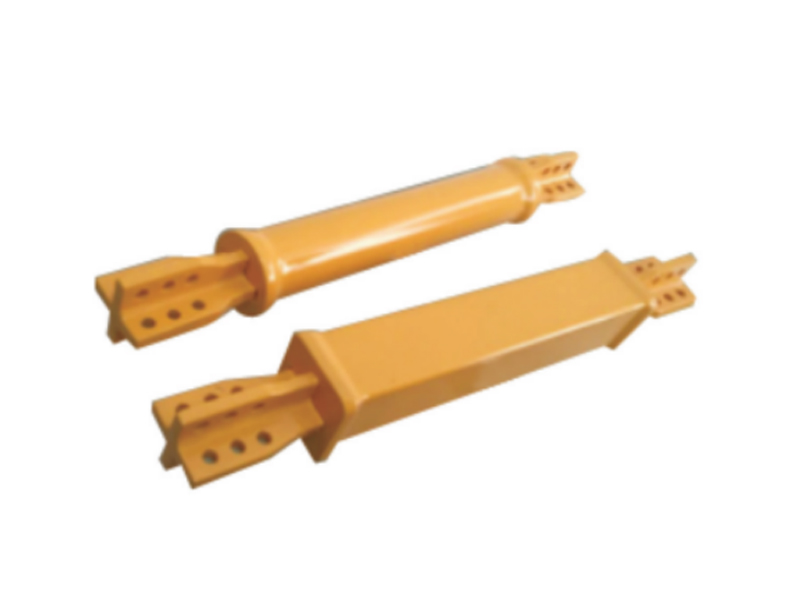
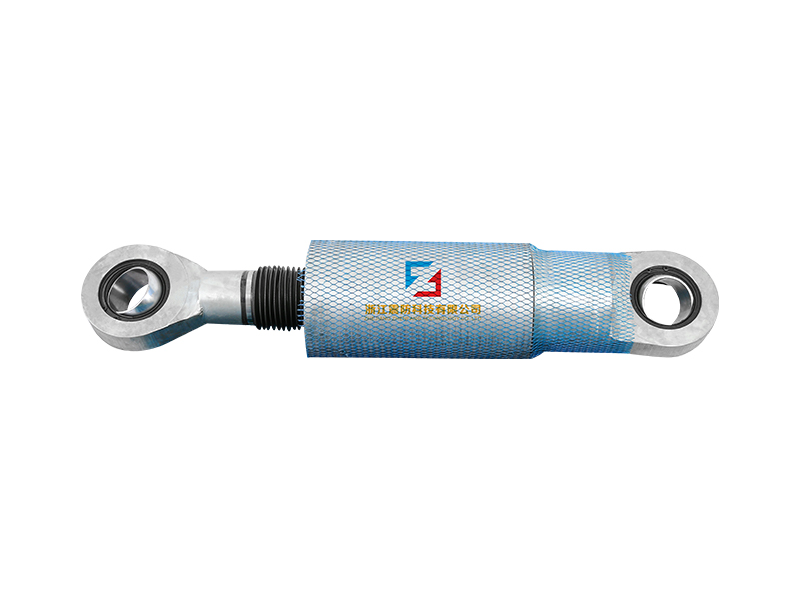
Seismic Bearing, working within this category, documents connection tolerances, installation guidance, and post-event inspection procedures for its buckling restrained brace lineup, giving structural engineers and contractors a reference for both initial installation and long-term serviceability planning across retrofit and new-construction programs alike.

The company has been adhering to the corporate tenet of "quality first, customer first", and sincerely welcomes domestic and foreign customers to visit and guide.
GET A QUOTE
Add: No. 359 Guangming West Road, Sanmen County, Taizhou City, Zhejiang Province, China
International Trade Manager: Madison
Tel/Whatsapp:+86-17857335842
Copyright © Zhejiang Earthquake Prevention Technology Co., Ltd. All Rights Reserved.
