

 English
 日本語
日本語 русский
 简体中文
简体中文
The company has been adhering to the corporate tenet of "quality first, customer first", and sincerely welcomes domestic and foreign customers to visit and guide.
GET A QUOTE
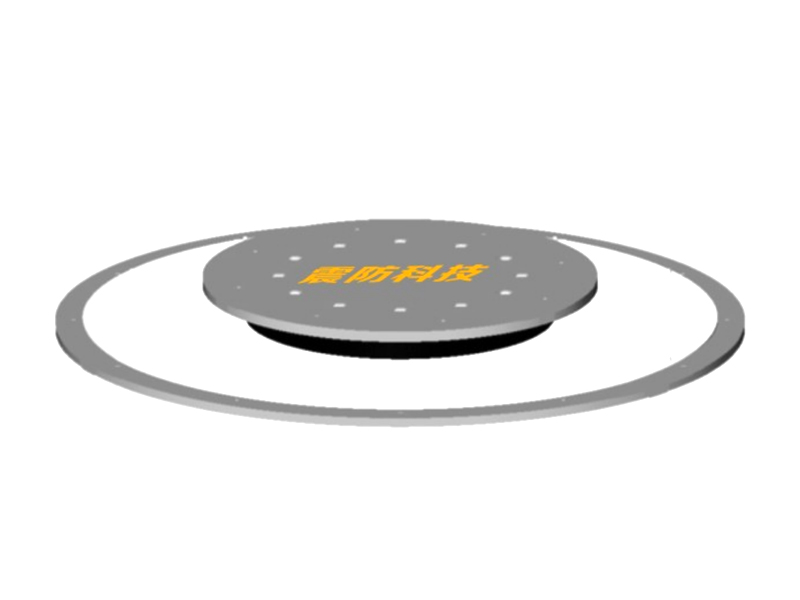
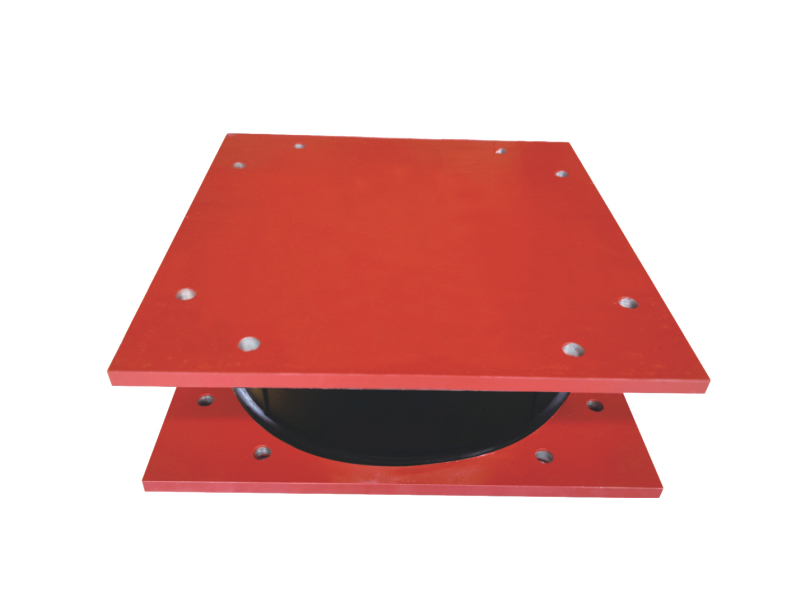
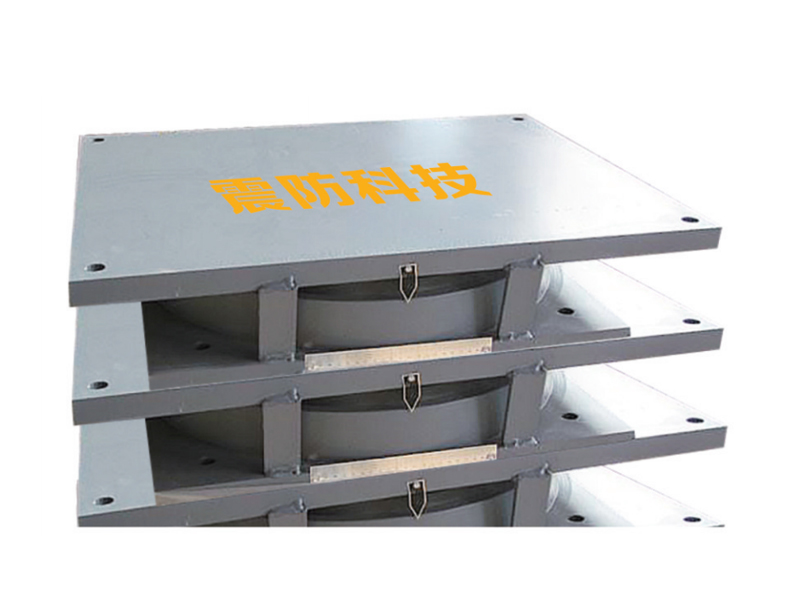
Natural Rubber Isolation Bearing is typically not discussed as a standalone component during early construction planning. In engineering projects, it is already embedded in structural design before construction even begins. What designers and site engineers focus on is not the material itself, but how the building behaves once the isolation layer is active under load conditions.
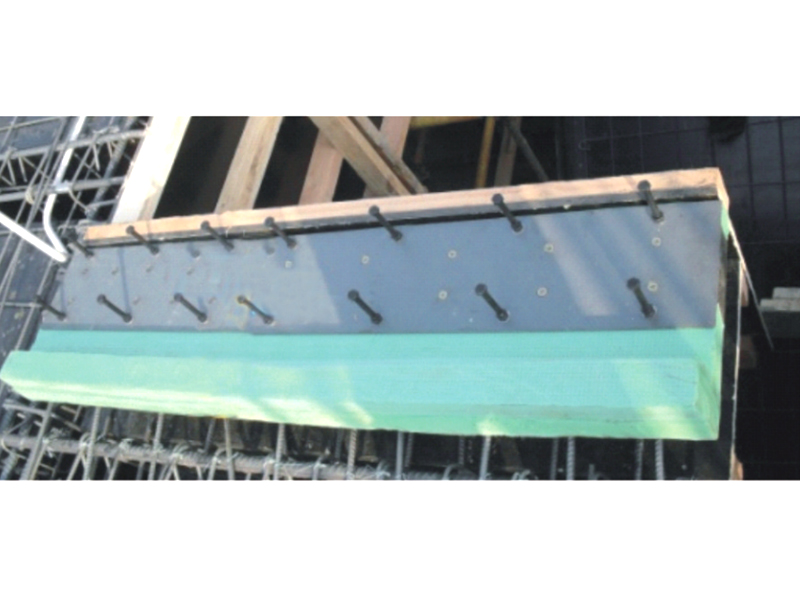
On construction sites, a seismic isolation system is usually checked during installation stages where structural alignment and load transfer behavior become visible for the time.
Installation Stage Reveals Structural Behavior
When isolation bearings are placed between foundation and superstructure, the change in structural response becomes noticeable during loading checks.
A section of the building may shift slightly during controlled movement tests.
Vertical load transfer appears stable, but lateral movement becomes more flexible than traditional rigid support systems.
These observations are often recorded by site engineers while installing Natural Rubber Isolation Bearing units across structural grids.
At this stage, attention is not on individual bearing performance, but on how the full seismic isolation system behaves as a connected structure.
Load Transfer Is Not Fully Rigid
Unlike conventional supports, isolation layers introduce controlled movement between structure and foundation.
During testing, vertical load remains stable, while horizontal displacement shows gradual flexibility.
This behavior is expected, but it is still carefully monitored during early installation phases.
Engineers often observe that a Natural Rubber Isolation Bearing does not react with sudden motion but instead shows smooth deformation under gradual load application.
Construction Conditions Influence Installation Results
Site conditions vary widely across projects.
Some foundations are poured in dry, stable environments.
Others are exposed to temperature variation or moisture during installation.
In some cases, alignment tolerance becomes more difficult due to uneven base preparation.
These conditions influence how the seismic isolation system is adjusted during installation, even when bearing specifications remain unchanged.
Movement Tests Are Done In Stages
Before full structural completion, staged loading tests are performed.
Small displacement is applied first.
Then gradual load increase follows.
Finally, controlled lateral movement is introduced to observe system response.
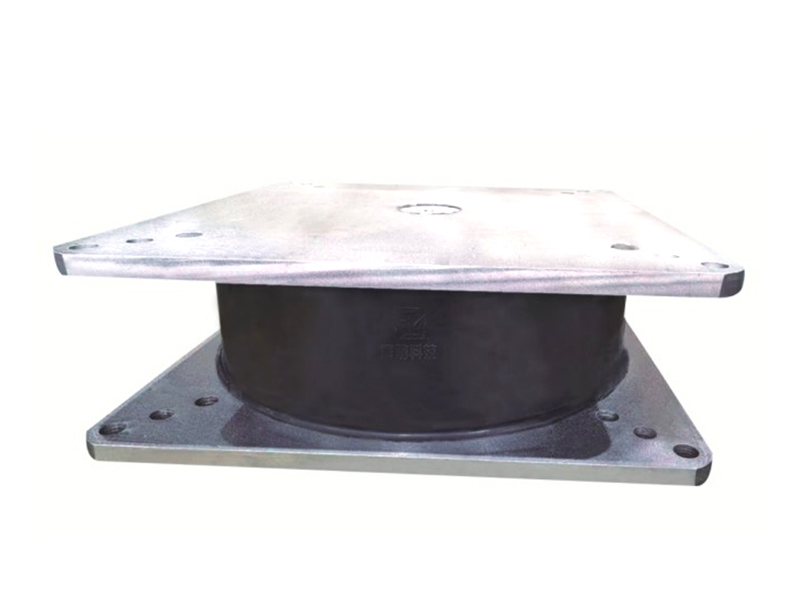
During these steps, the Natural Rubber Isolation Bearing shows elastic deformation behavior that is carefully recorded rather than judged immediately.
Observations From Field Engineers
On site, engineers usually focus on simple but repeated observations:
whether movement is smooth during lateral displacement
whether load transfer remains stable under compression
whether deformation returns to original position after release
whether all bearing points behave consistently across the structure
These observations are recorded across multiple installation points in the seismic isolation system rather than evaluated individually.
Structural Response Depends On System Layout
The performance of isolation bearings is not determined by a single unit.
Spacing between bearings.
Distribution across the foundation.
Connection with superstructure stiffness.
These factors all influence how a Natural Rubber Isolation Bearing behaves during real loading conditions.
Different buildings may show different movement characteristics even when using the same bearing type.
Environmental Factors Are Always Present
Temperature variation affects rubber behavior slightly.
Long installation timelines may expose materials to changing site conditions.
Construction sequencing can temporarily shift load distribution.
These factors do not change the function of the seismic isolation system, but they are often recorded during installation reports for reference.
Final Installation Check Is Based On Behavior
Before structural completion, final checks are usually performed at system level.
Engineers observe whether movement is uniform across bearing points.
Whether load distribution remains balanced.
Whether no unexpected stiffness appears in any section.
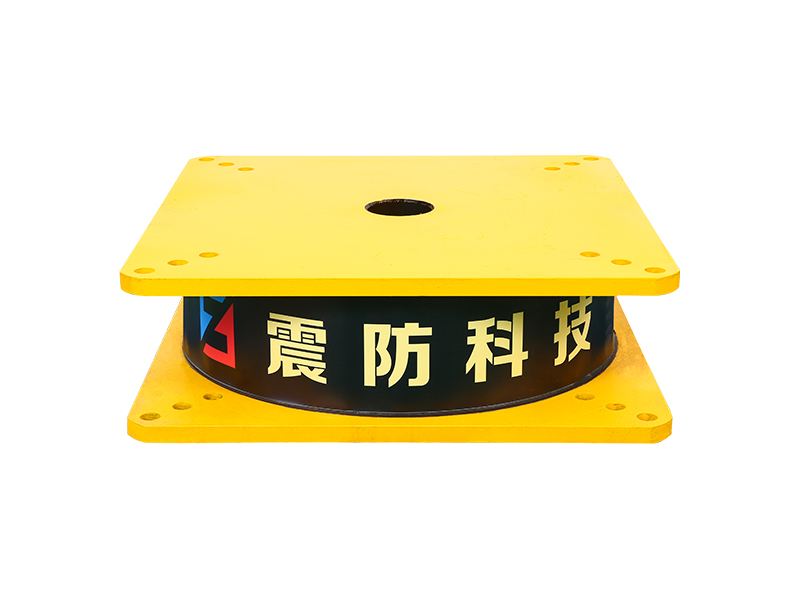
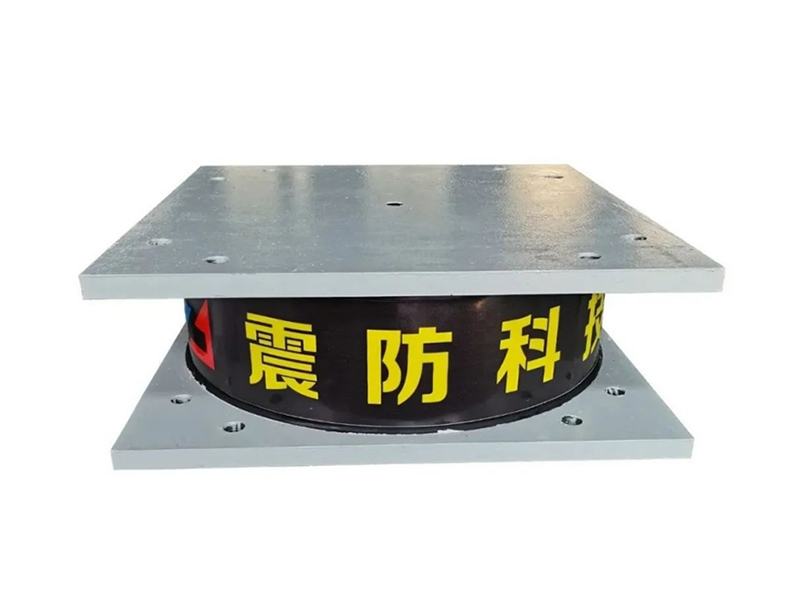
At this stage, the Natural Rubber Isolation Bearing is no longer evaluated as an individual product, but as part of a complete structural response system integrated into the building foundation behavior.

The company has been adhering to the corporate tenet of "quality first, customer first", and sincerely welcomes domestic and foreign customers to visit and guide.
GET A QUOTE
Add: No. 359 Guangming West Road, Sanmen County, Taizhou City, Zhejiang Province, China
International Trade Manager: Madison
Tel/Whatsapp:+86-17857335842
Copyright © Zhejiang Earthquake Prevention Technology Co., Ltd. All Rights Reserved.
