

 English
 日本語
日本語 русский
 简体中文
简体中文
The company has been adhering to the corporate tenet of "quality first, customer first", and sincerely welcomes domestic and foreign customers to visit and guide.
GET A QUOTE
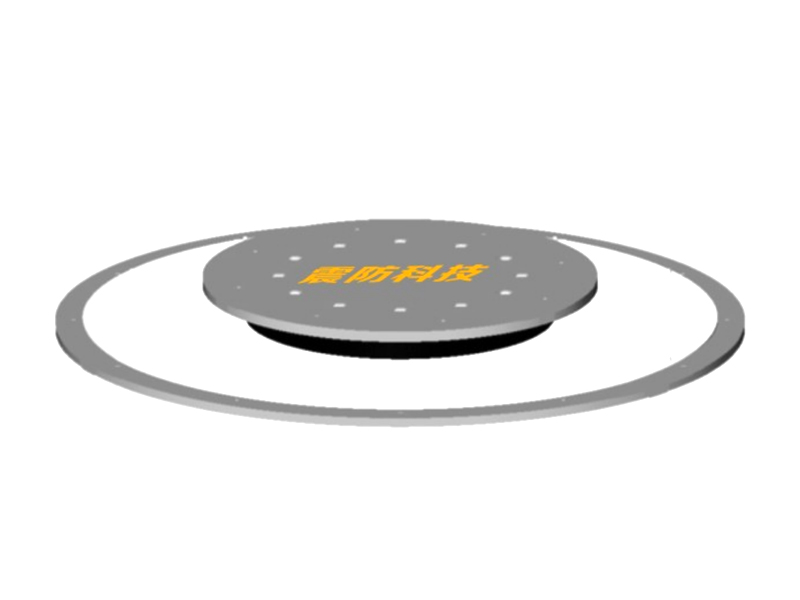
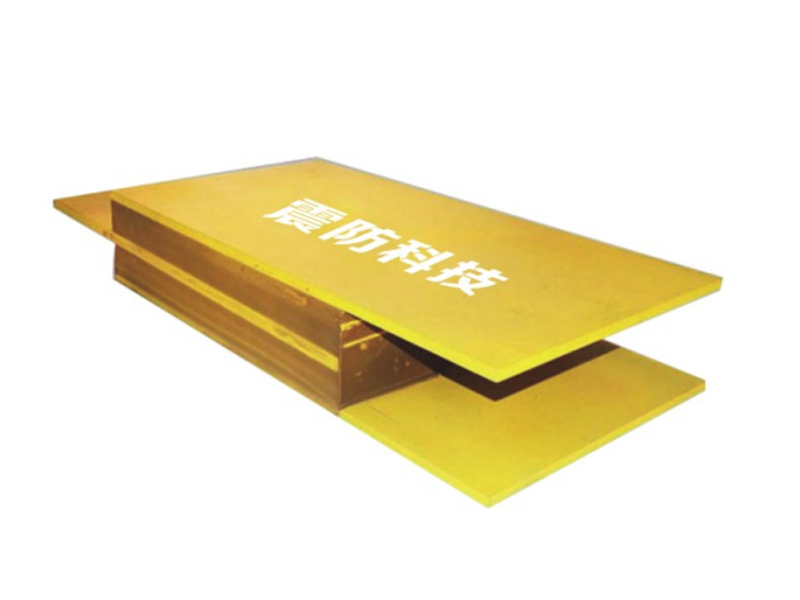
An Elastic Sliding Bearing works on a simple rule: below a certain horizontal force, the building and its foundation move together, and above it, they slide against each other. That rule turns the bearing into a deliberate weak link. Instead of letting the ground motion push the structure harder and harder, the sliding surface gives way first, and the force that reaches the building stays below a known ceiling.
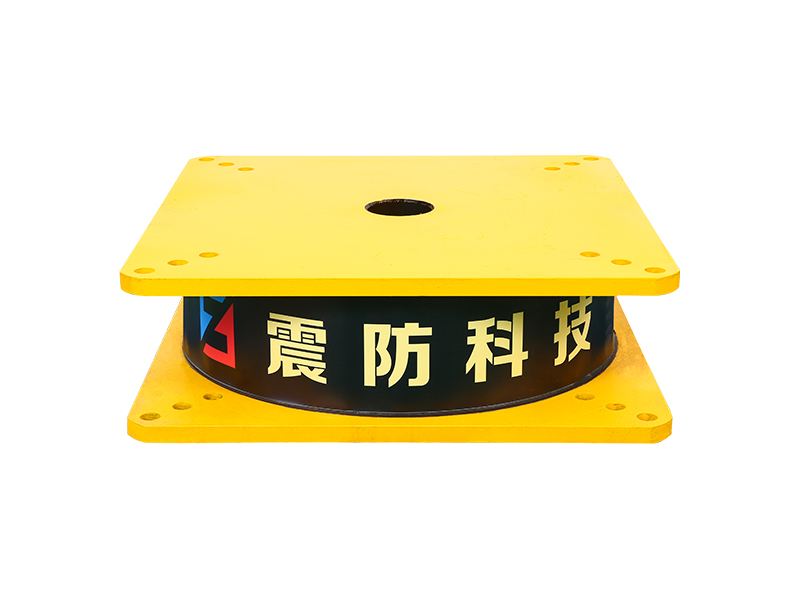
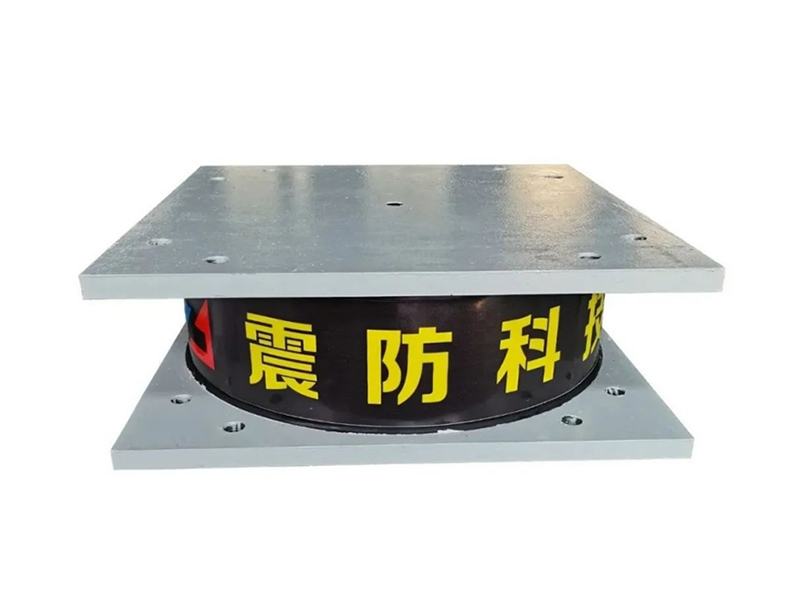
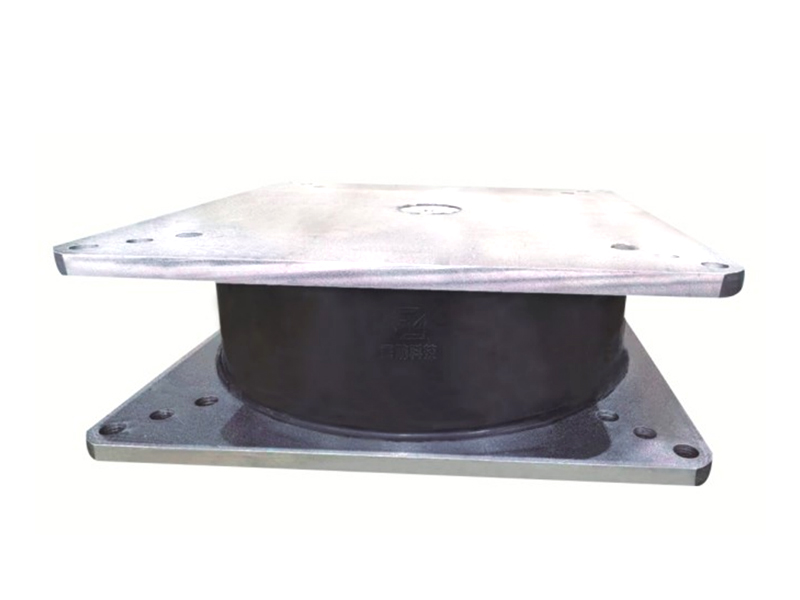
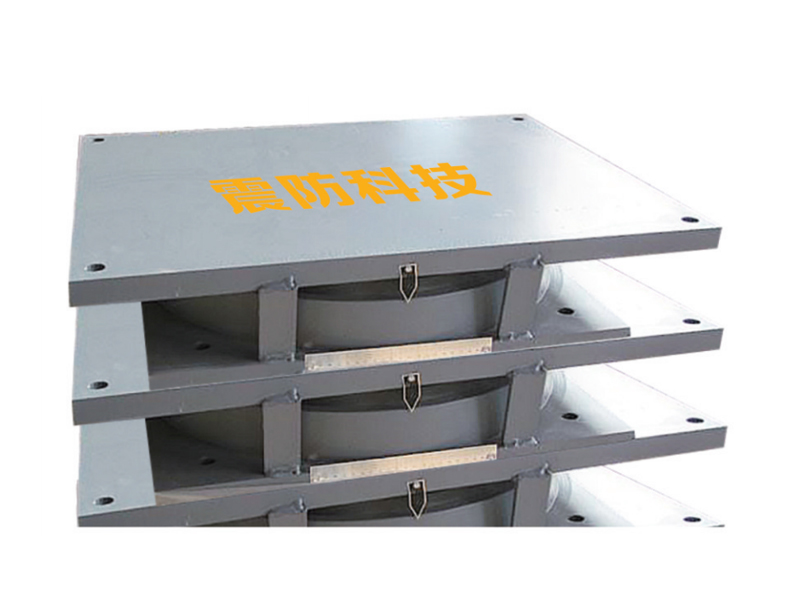
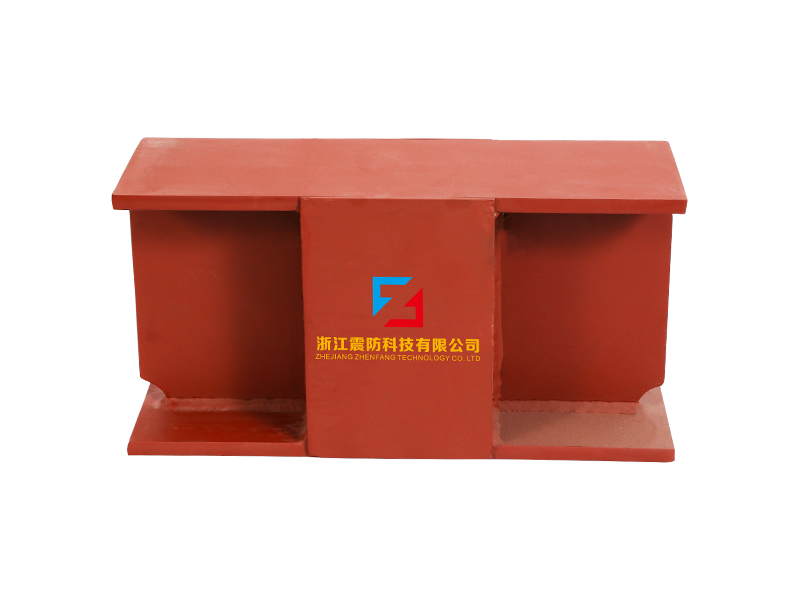
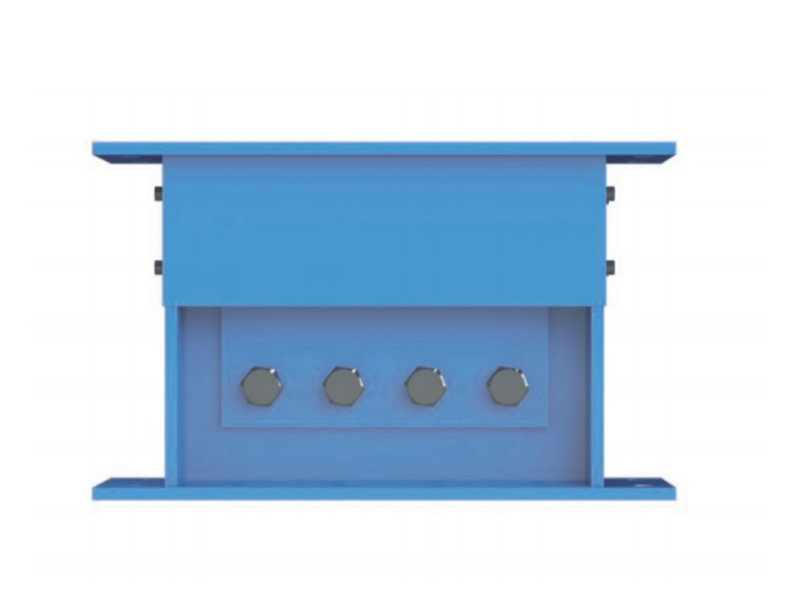
The product is a vertical bearing member built around a friction pair made of a mirror stainless steel plate and PTFE. The page describes the action plainly: when the horizontal force becomes greater than the friction force, the upper structure and the foundation slide relative to each other. The ceiling is therefore the friction coefficient multiplied by the vertical load carried by each bearing. In a conventional fixed foundation, force grows with ground shaking. With an Elastic Sliding Bearing in the isolation layer, the force passed upward is set by the design of the sliding surface, which makes the structural calculation easier to explain to reviewers.
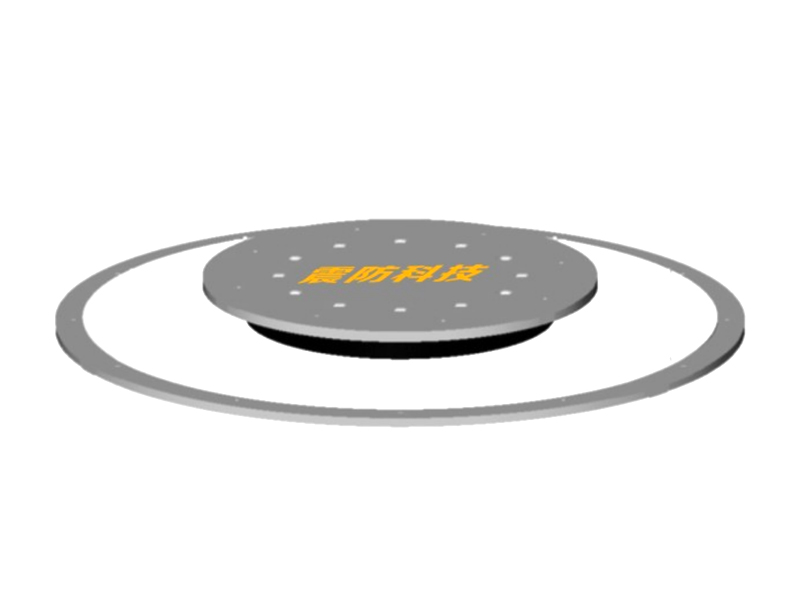
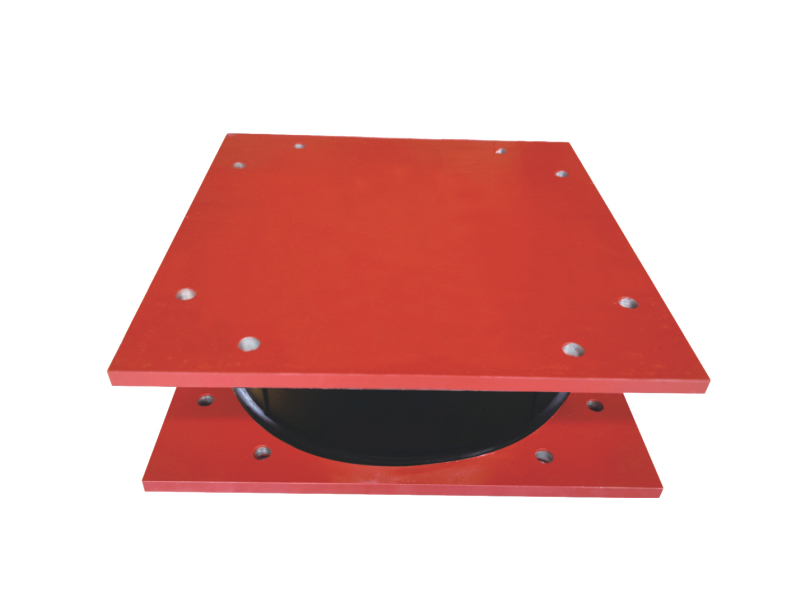
A sliding surface limits force, but it does not pull the building back to its original position. For that reason the product page notes that the bearing can be used on its own in a sliding isolation layer or combined with rubber isolation bearings, which supply the restoring force. In a combined layout, the Elastic Sliding Bearing and the rubber units each do the job they suit: the rubber units centre the building after movement, while the ESB units carry vertical load and keep the horizontal stiffness of the layer low. Designers choose the ratio of the two types of seismic isolation bearing for each project, and the choice is part of the isolation design rather than a catalogue option.
Two figures decide how a sliding bearing behaves in a given building: the friction coefficient of the sliding surface and the displacement the bearing can accept before it reaches its limit. A heavier building, a softer site or a stronger design earthquake each push those numbers in a different direction. A mirror stainless steel plate with a PTFE sliding face is the standard arrangement, and the elastic sliding plate bearing can be produced in different sizes, vertical load ratings, and displacement ranges. The exact friction value and the rated displacement of an Elastic Sliding Bearing depend on the project, so they should be confirmed with the factory and the design institute before an order is placed.
A building usually carries dozens of isolation bearings, and they must behave alike, because one unit that slips earlier than its neighbours changes how the layer moves. The page describes the Elastic Sliding Bearing as a device that can be produced in a standardised manner, which suits large projects where the same specification repeats many times. Zhejiang Earthquake Prevention Technology Co., Ltd. works from its own factory buildings of about 10,800 square meters and a technical team supported by the Institute of Engineering Mechanics of China Earthquake Administration. It is also a member of the China Disaster Prevention Association. Sample data, size ranges and the way friction values are checked from batch to batch can be discussed at the quotation stage.
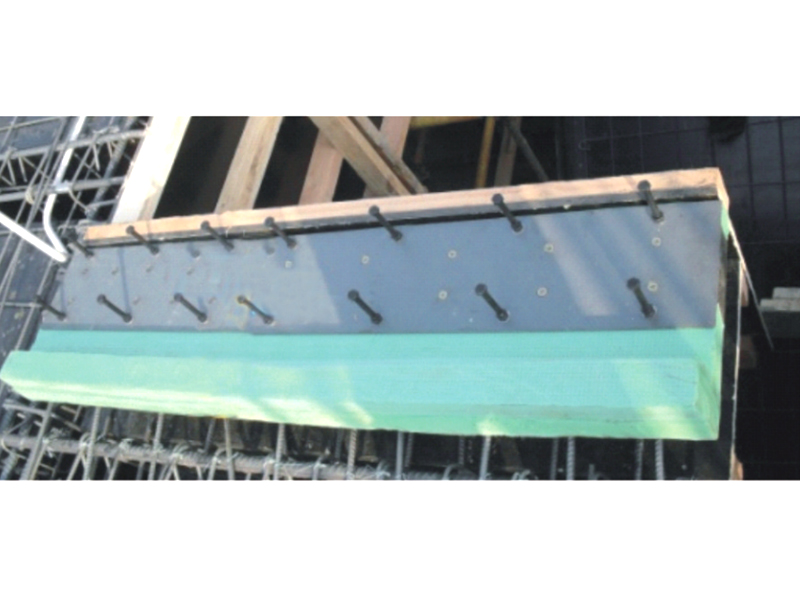
Foundation isolation is the main use: the isolation layer sits between the foundation and the upper structure, and the Elastic Sliding Bearing carries the vertical load across that layer. New high-rise buildings, bridges and seismic strengthening of existing structures are the typical fields of application. In retrofit projects, headroom in the isolation layer is usually limited, so the height of each type of seismic isolation bearing is worth comparing early. Developers and contractors who need a layout with sliding units, rubber units or both can send the building plan, load table, and design displacement, and the factory can propose bearing sizes and quantities for review.
The central idea stays the same across all of these cases: a sliding bearing is chosen for how it limits force, and its friction value, displacement and layout are decided together with the rest of the isolation layer.

The company has been adhering to the corporate tenet of "quality first, customer first", and sincerely welcomes domestic and foreign customers to visit and guide.
GET A QUOTE
Add: No. 359 Guangming West Road, Sanmen County, Taizhou City, Zhejiang Province, China
International Trade Manager: Madison
Tel/Whatsapp:+86-17857335842
Copyright © Zhejiang Earthquake Prevention Technology Co., Ltd. All Rights Reserved.
