

 English
 日本語
日本語 русский
 简体中文
简体中文
The company has been adhering to the corporate tenet of "quality first, customer first", and sincerely welcomes domestic and foreign customers to visit and guide.
GET A QUOTE
Building seismic protection involves decisions made well before equipment reaches a construction site. Structural layout, expected movement, building use, and project requirements all influence the role of damping and isolation devices. Building Damping Isolation is therefore considered as part of the structural design process, rather than as a product choice made after the main design is complete.
Zhejiang Earthquake Prevention Technology Co., Ltd. provides seismic reduction and isolation products alongside technical consultation, structural analysis and design, production, installation guidance, and replacement support. These activities connect equipment selection with the wider project process.
For architects, structural engineers, contractors, and equipment purchasers, early coordination helps establish what information is needed from each participant. The structural design defines performance requirements, while product documentation provides the characteristics of the proposed devices. Their relationship needs to be reviewed before the equipment specification is finalized.
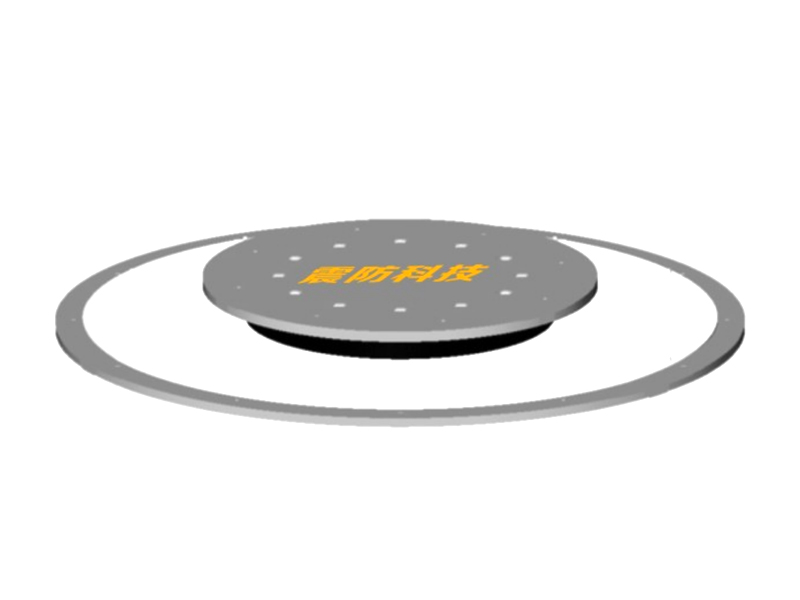
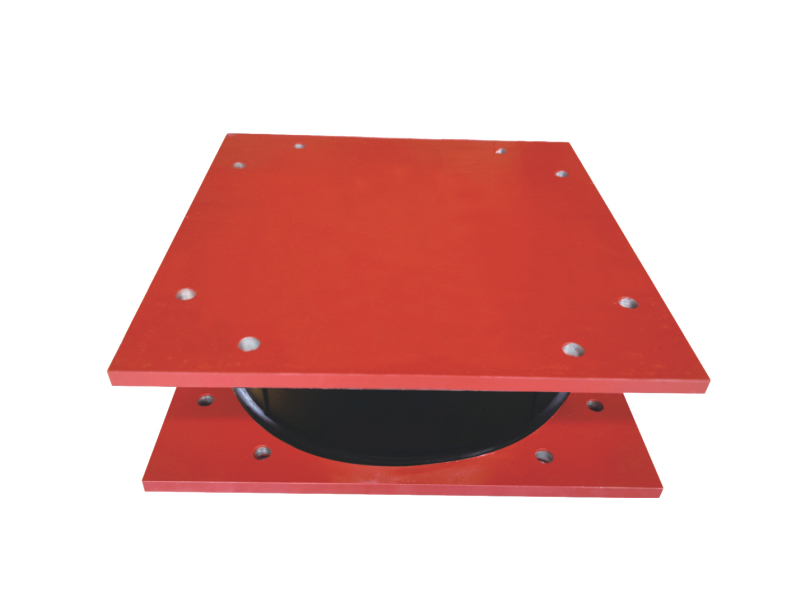
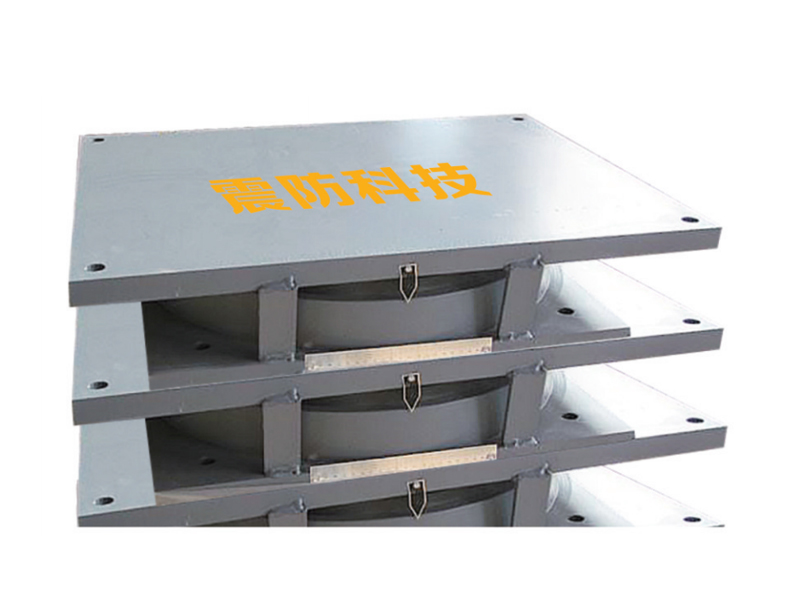
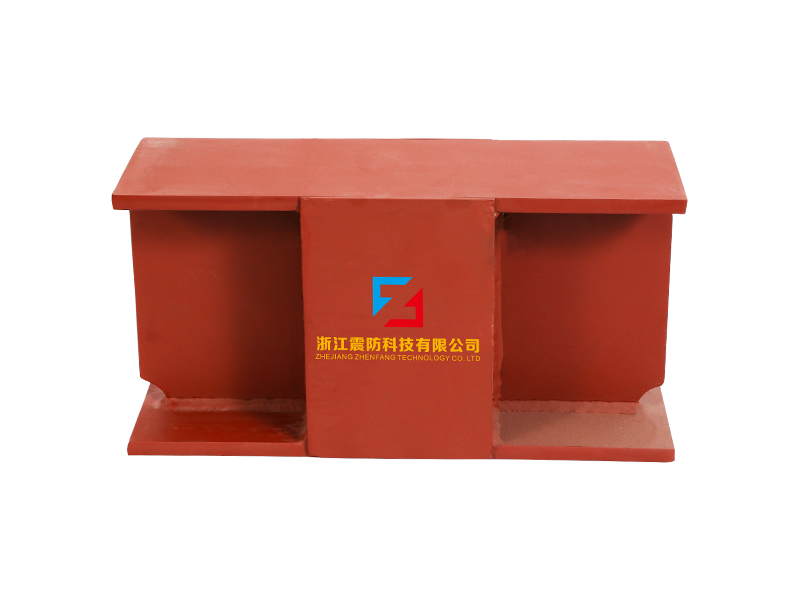
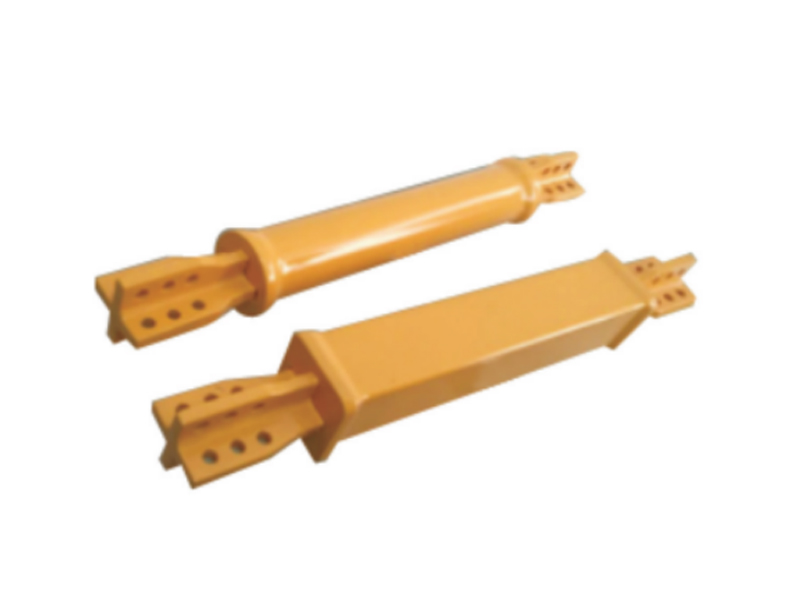
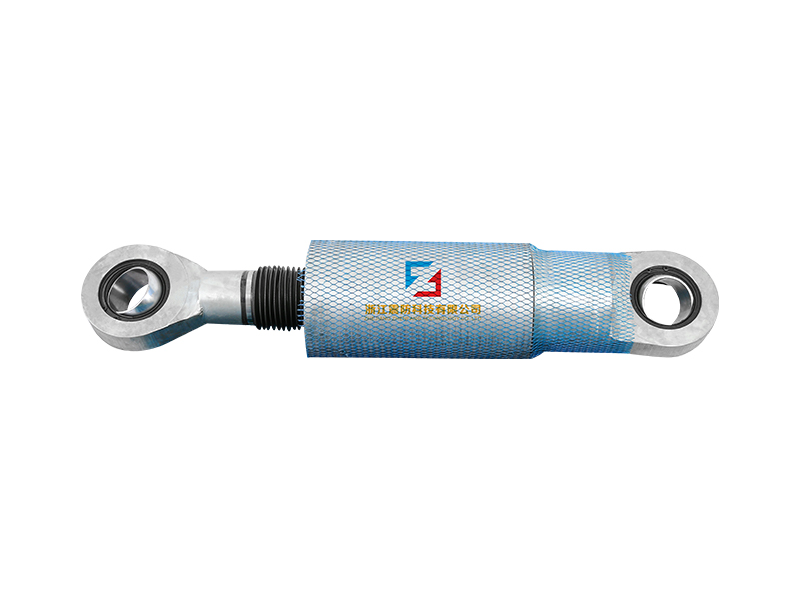
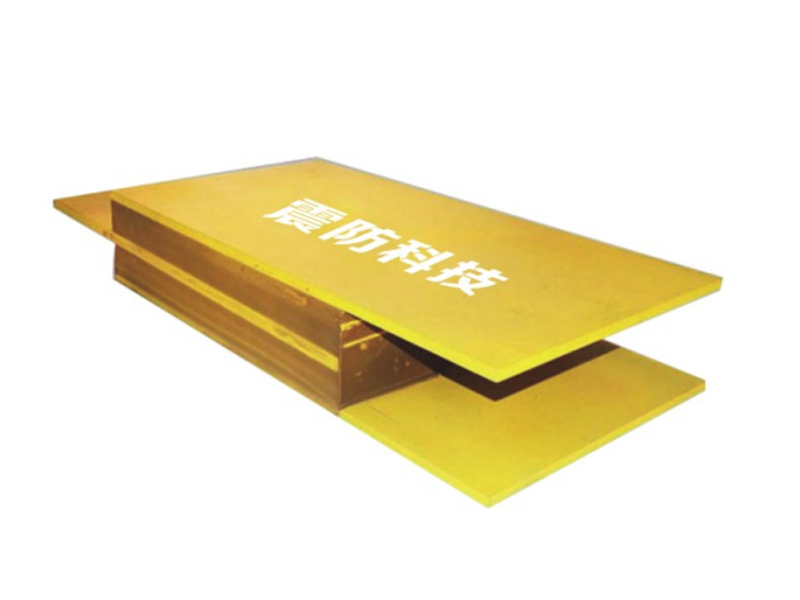
The company’s product range includes metal dampers, buckling restrained braces, viscous fluid dampers, viscoelastic dampers, friction dampers, and metal composite dampers. Its broader seismic product range also includes isolation bearings such as LRB, LNR, HDR, elastic sliding bearings, and friction pendulum systems.
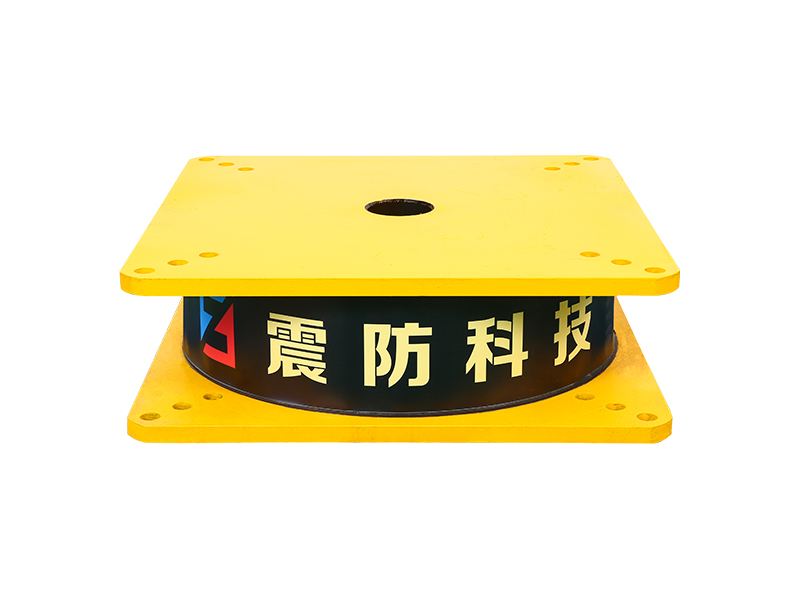
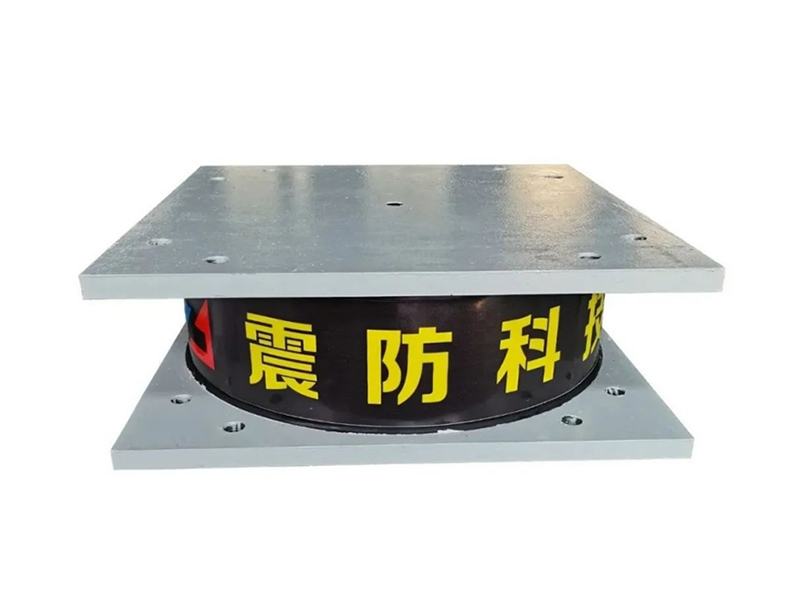
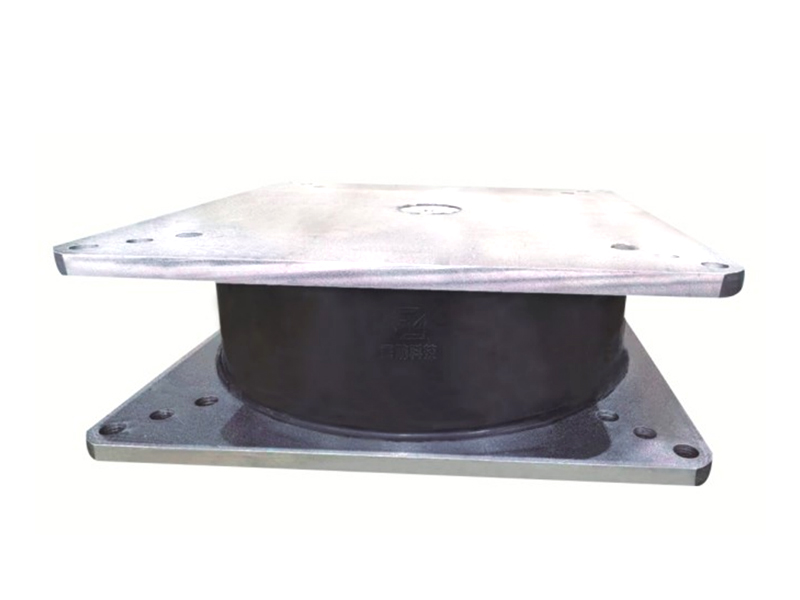
These products do not all perform the same function. Damping devices dissipate energy through mechanisms such as metal deformation, fluid resistance, or friction. Isolation bearings form part of an isolation layer that separates the structure from ground movement through a designed support system.
For a Building Damping Isolation project, the device category should follow the structural strategy and the requirements established by the engineering team. A product name alone does not confirm that a device suits a particular building. The selected type, location, connection details, and design assumptions need to correspond with the project drawings.
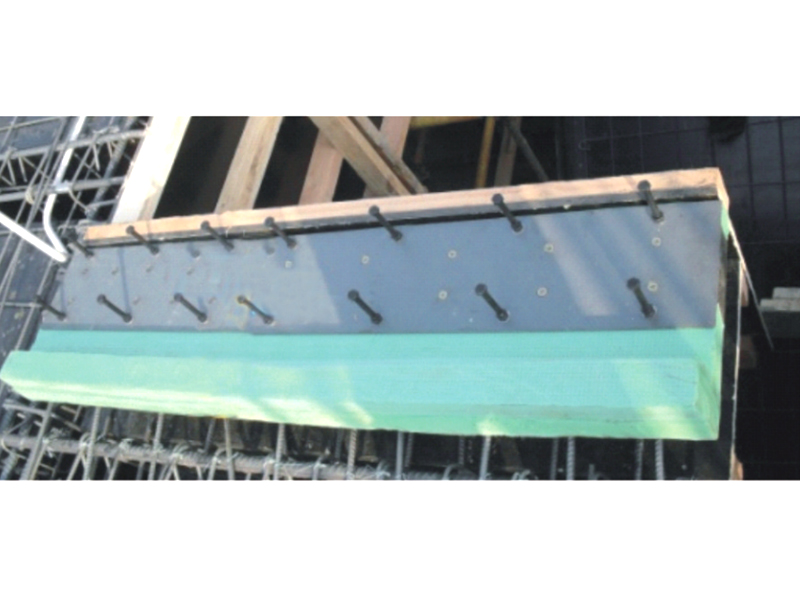
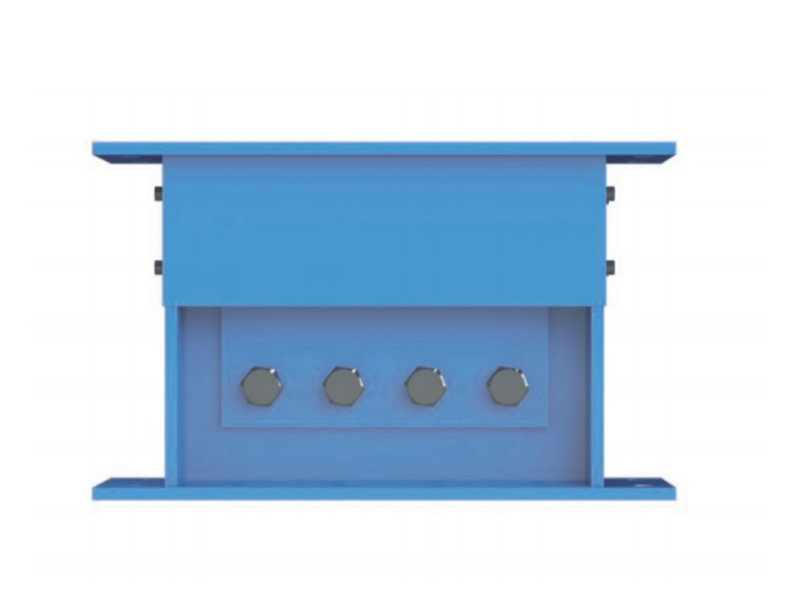
Device dimensions and connection arrangements affect the surrounding structural components. For example, the company’s metal damper information describes installation through connecting plates attached to embedded parts in structural members such as beams, buttresses, or walls. This makes the relationship between the damper and the supporting structure part of the design coordination.
The seismic protection components should be reviewed with the relevant connection details before procurement. Drawings need to identify device locations and the interfaces required for installation. Where embedded parts are involved, their positions must be coordinated with the structural construction sequence.
This coordination also helps clarify which information must be confirmed before fabrication or delivery. If a device specification changes, the associated connection details and installation documents may need review. Such checks are part of project control, not simply product purchasing.
The company identifies installation guidance and replacement among its services. Its product information also describes installation considerations for certain damper types. For metal dampers, the stated construction process includes installing embedded parts and connecting the damper, with installation sequence considered as part of the work.
A Building Damping Isolation plan should connect these details to the site schedule. Contractors need to know when the supporting structure and embedded connections must be ready, when the device can be installed, and what access is needed for inspection. The exact sequence depends on the selected device and project drawings.
Clear installation information is particularly useful when several device types appear in one building. The seismic protection components may have different connection methods and installation requirements, so a single generic instruction may not cover every location.
Project records should identify the selected device, its location, relevant product data, and the drawing or specification that governs its installation. This gives design, procurement, construction, and maintenance teams a common reference.
For Building Damping Isolation, records can also note which requirements remain subject to engineering confirmation. The company’s product pages describe product categories and selected features, but not every page provides complete project-specific design values. Where dimensions, performance parameters, approvals, or connection details are required, they should be confirmed for the chosen model.
This distinction helps prevent general product descriptions from being mistaken for project approval. It also supports review when a device is substituted or a structural detail changes during construction.
Seismic devices become part of the building’s long-term structural system. Access for inspection and possible replacement should therefore be considered during design and construction planning. The company lists replacement guidance among its services, indicating that post-installation work forms part of its project support scope.
A Building Damping Isolation project benefits from retaining clear device identification and installation records. These documents can help future teams locate equipment, understand its intended role, and review relevant product information before maintenance or replacement work.
The same records support communication between the building owner, engineering team, and service personnel. Seismic protection components are easier to manage when their type, location, and associated design documents remain traceable throughout the building’s service life.
Coordinating structural requirements, device interfaces, installation details, and records gives each project participant a clearer understanding of the equipment’s role. For building damping and isolation work, that coordination links the original engineering intent with the components installed on site.

The company has been adhering to the corporate tenet of "quality first, customer first", and sincerely welcomes domestic and foreign customers to visit and guide.
GET A QUOTE
Add: No. 359 Guangming West Road, Sanmen County, Taizhou City, Zhejiang Province, China
International Trade Manager: Madison
Tel/Whatsapp:+86-17857335842
Copyright © Zhejiang Earthquake Prevention Technology Co., Ltd. All Rights Reserved.
