

 English
 日本語
日本語 русский
 简体中文
简体中文
The company has been adhering to the corporate tenet of "quality first, customer first", and sincerely welcomes domestic and foreign customers to visit and guide.
GET A QUOTE
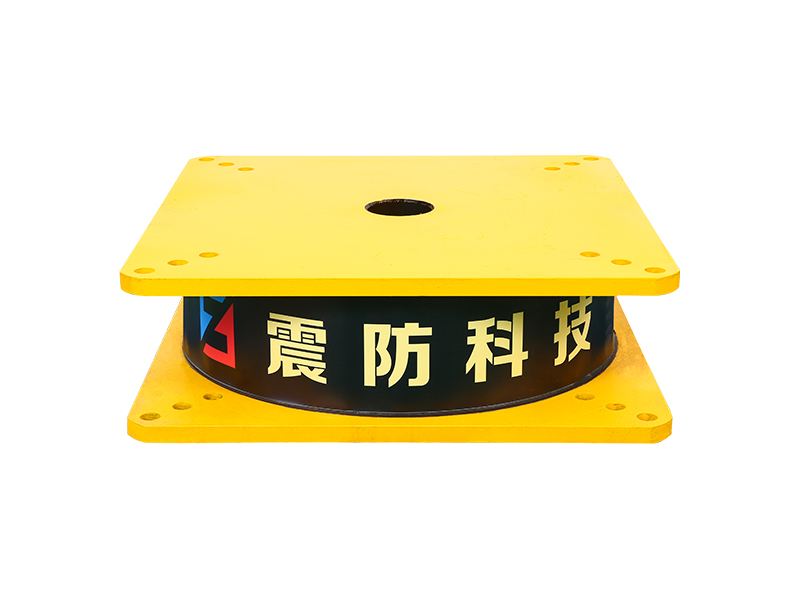
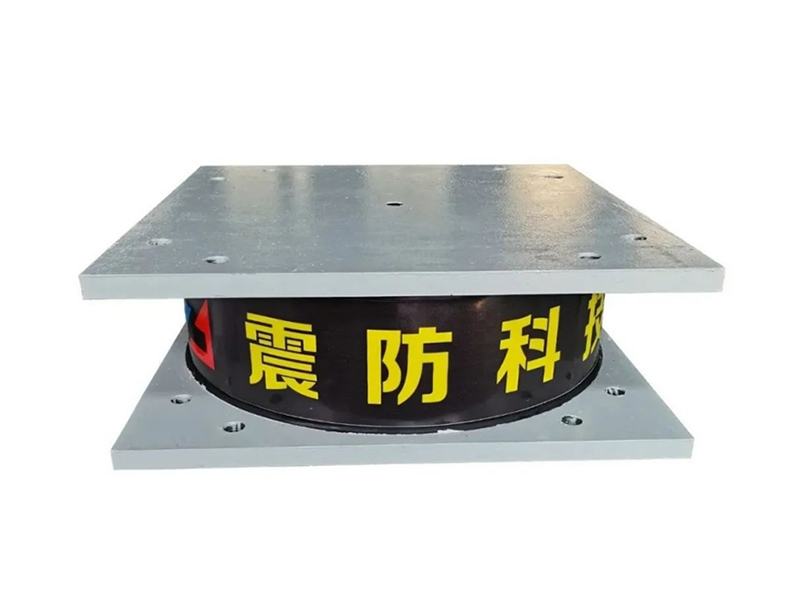
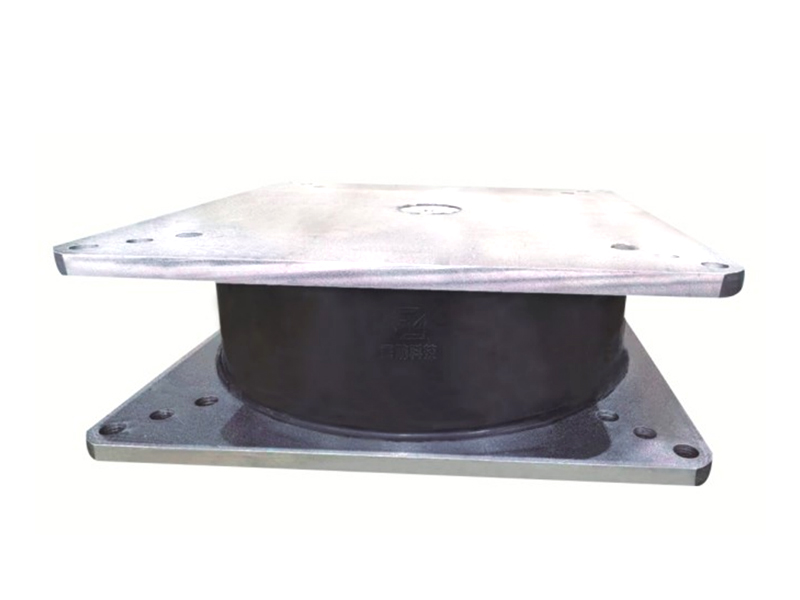
Not every seismic isolation product on the market relies on rubber to absorb ground motion, and this category proves the point directly through geometry rather than material alone. A friction pendulum isolation bearing uses a curved sliding surface and the physics of pendulum motion to extend a structure's natural period during an earthquake, combining that mechanism with sliding friction to dissipate energy at the same time. Buyers accustomed to rubber-based isolation systems should approach a friction pendulum isolation bearing as a genuinely different engineering approach rather than a variation on the same underlying mechanism, since the physics driving its performance differ meaningfully from elastomeric bearing designs.
A friction pendulum isolation bearing works by allowing the structure above it to swing along a curved spherical surface, and this spherical swing lengthens the structure's movement period compared to a rigidly connected building. Extending this period shifts the structure's response away from the frequency range where ground motion energy is typically strongest during an earthquake, reducing the force transmitted into the building above. At the same time, friction generated at the sliding interface consumes seismic energy directly, meaning the bearing performs two distinct functions through a single mechanical system rather than requiring separate isolation and damping components.
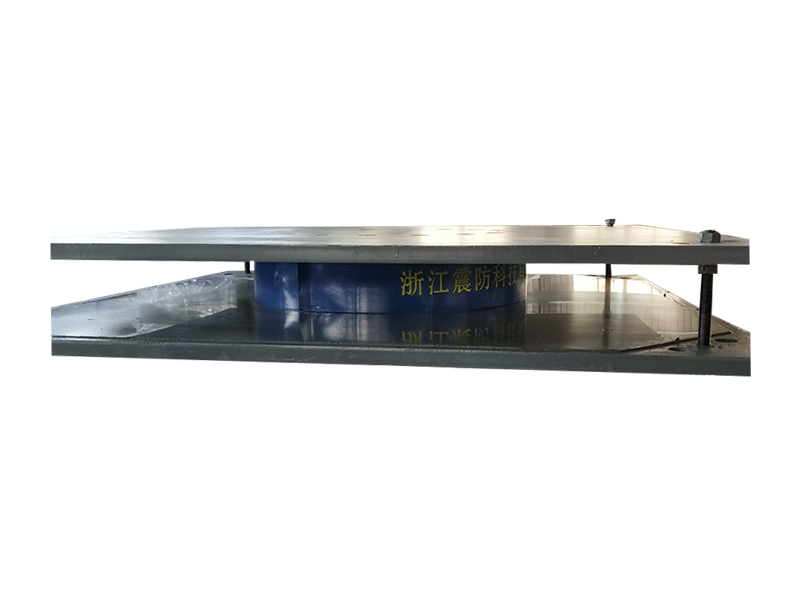
One notable characteristic of a friction pendulum isolation bearing is that its vibration period depends on the geometry of the curved sliding surface rather than on the mass of the structure sitting above it, unlike some other isolation systems where added building mass shifts the isolation period. This property gives structural engineers more predictable behavior when a building's mass estimate changes during design development, since the bearing's fundamental period characteristic stays consistent even if load calculations are later revised. Buyers should confirm this mass-independence property directly with suppliers when comparing bearing types for a specific project, since not every isolation system shares this behavior.
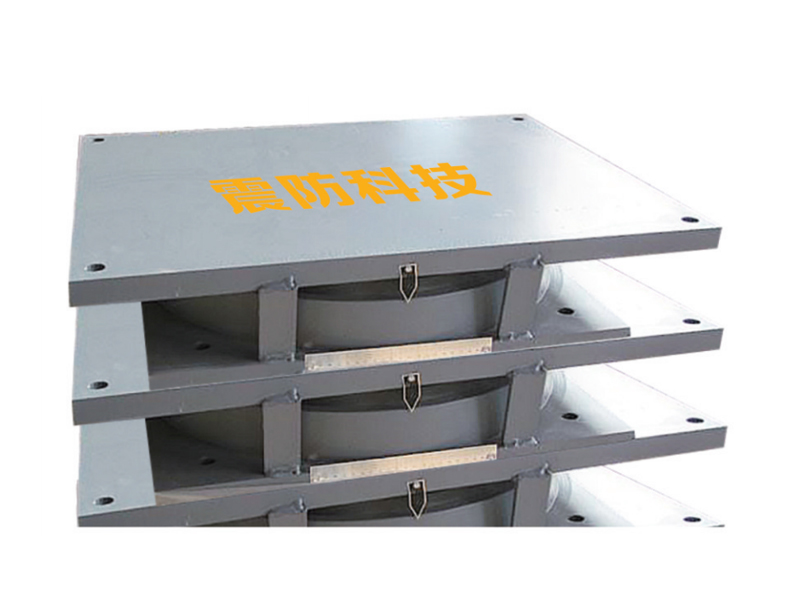
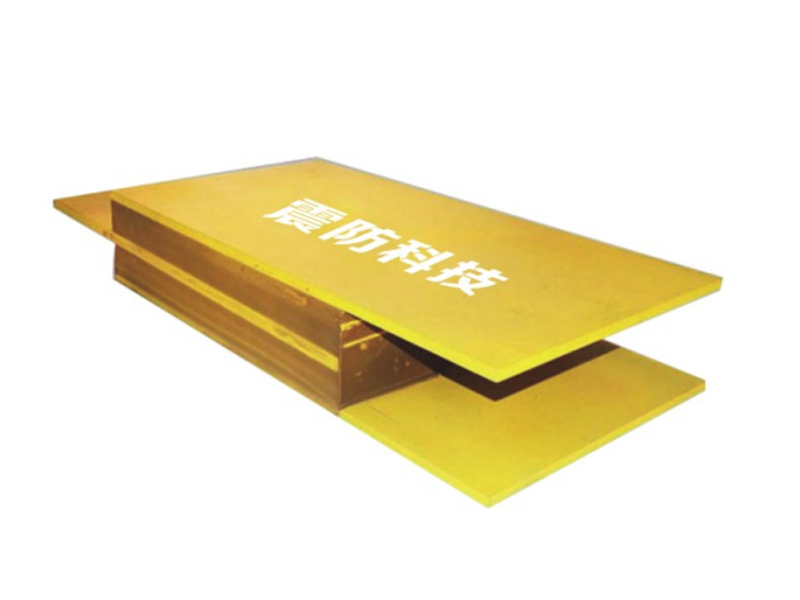
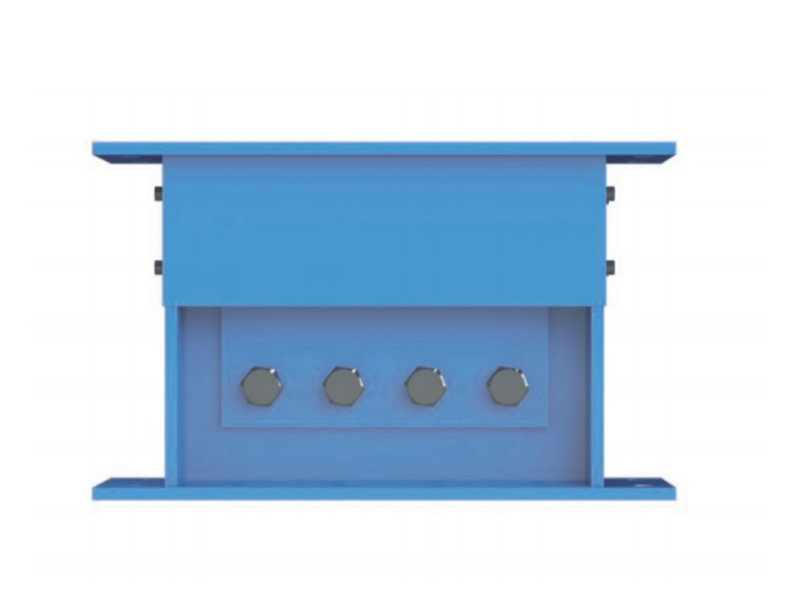
Friction pendulum bearings are classified into three structural forms based on their movement capability: fixed bearings (coded GD), one-way movable bearings (coded DX), and multi-directional movable bearings (coded SX). Fixed bearings provide vertical bearing capacity, vertical rotation performance, and anti-drop beam protection without horizontal sliding, while one-way bearings add sliding performance in a single direction and multi-directional bearings allow sliding in both directions simultaneously. Buyers should work with their structural engineer to determine which combination of fixed and movable bearings a specific project requires, since many seismic isolation systems use a mix of types positioned according to how the structure needs to accommodate movement at different support points.
|
Bearing Type |
Code |
Sliding Capability |
Typical Role in a Structure |
|
Fixed bearing |
GD |
None, vertical and rotational support only |
Anchoring points requiring stability |
|
One-way movable |
DX |
Single-direction sliding |
Locations needing controlled directional movement |
|
Multi-directional movable |
SX |
Sliding in both directions |
Points requiring full horizontal freedom |
Modern friction pendulum isolation bearing designs commonly use a non-equal diameter double spherical sliding surface rather than a single sliding surface, and this design choice addresses a specific problem: concentrating both temperature-driven displacement and seismic isolation displacement onto a single bearing plate can create an imbalanced size ratio between the upper and lower plates. Distributing displacement demand across two surfaces with carefully calculated radii keeps the bearing's overall structure more uniform and coordinated, which reduces complications during selection, structural design, commissioning, and installation on an actual project. Friction generated at the sliding interface between these curved surfaces is what converts the structure's horizontal movement into dissipated energy, working alongside the pendulum geometry rather than as a separate add-on system. Buyers comparing suppliers should ask whether a proposed friction pendulum isolation bearing uses this dual-surface approach or an older single-surface design, since the distinction affects long-term performance consistency at the bearing's support plates.

The company has been adhering to the corporate tenet of "quality first, customer first", and sincerely welcomes domestic and foreign customers to visit and guide.
GET A QUOTE
Add: No. 359 Guangming West Road, Sanmen County, Taizhou City, Zhejiang Province, China
International Trade Manager: Madison
Tel/Whatsapp:+86-17857335842
Copyright © Zhejiang Earthquake Prevention Technology Co., Ltd. All Rights Reserved.
