

 English
 日本語
日本語 русский
 简体中文
简体中文
The company has been adhering to the corporate tenet of "quality first, customer first", and sincerely welcomes domestic and foreign customers to visit and guide.
GET A QUOTE
In the quest to manage dynamic energy in structures and mechanical systems, a specialized material offers a dual function of flexibility and energy dissipation: high damping rubber. This engineered elastomer is formulated to possess significantly greater internal energy loss, or damping, compared to conventional natural or synthetic rubber. This property makes high damping rubber a critical component in applications where vibration isolation and shock absorption are paramount, notably in seismic base isolation bearings for buildings and bridges, as well as in industrial mounts and precision equipment supports.
The defining characteristic of high damping rubber is its ability to convert mechanical energy—from vibrations or seismic waves—into heat within the material itself. When subjected to cyclic deformation, the complex polymer chains in the specially compounded high damping rubber exhibit high internal friction. This friction resists motion, absorbing kinetic energy and dissipating it as thermal energy. This intrinsic damping eliminates or reduces the need for separate damping devices in many isolation systems. A component made from high damping rubber can thus provide both the flexibility to accommodate movement and the necessary dissipation to rapidly attenuate oscillations.
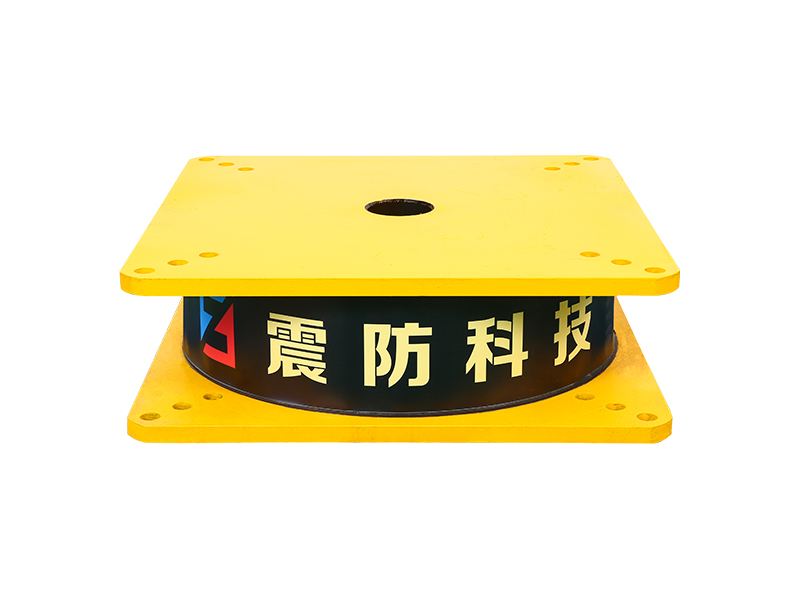
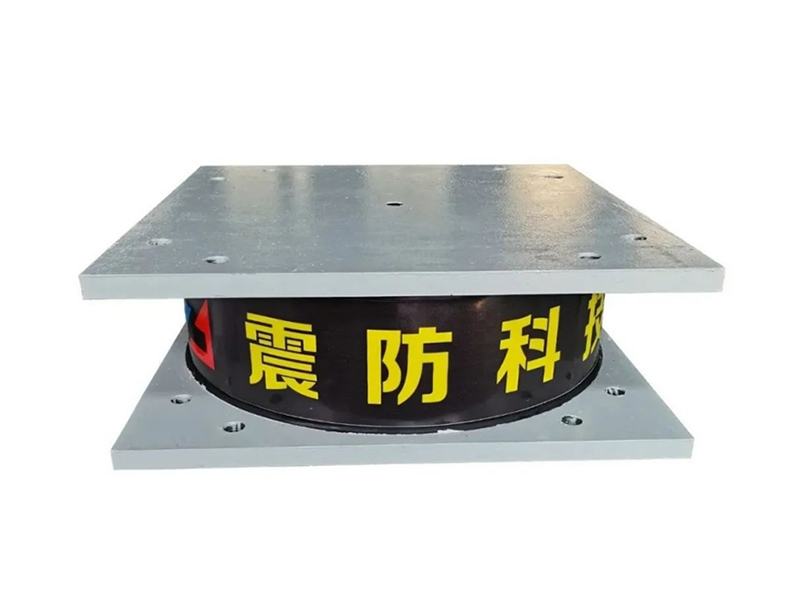
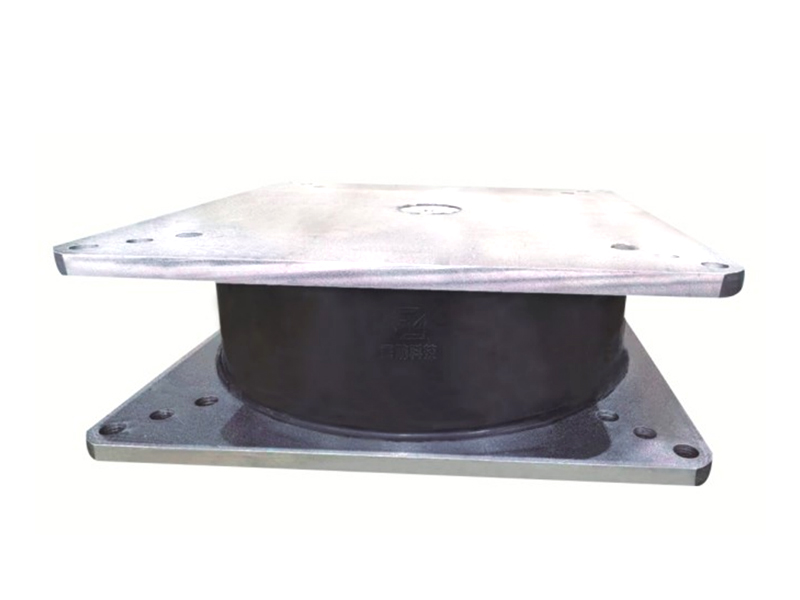
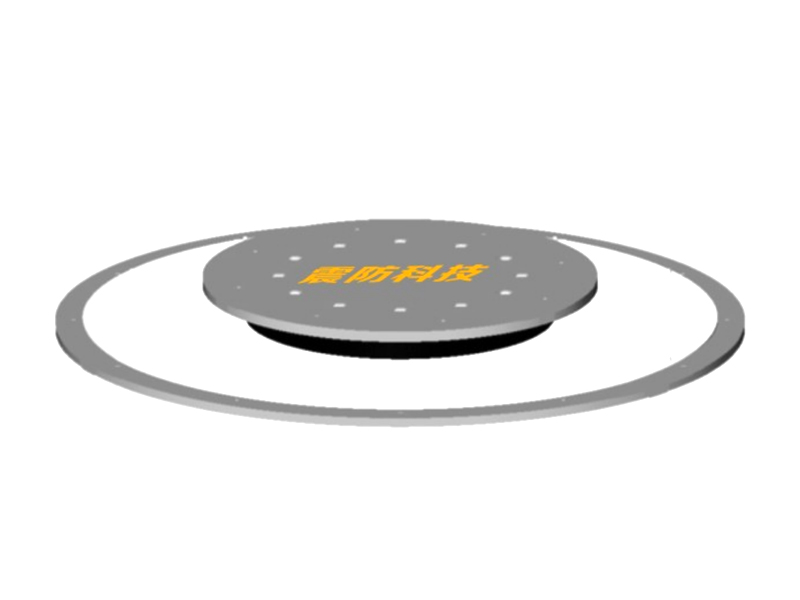
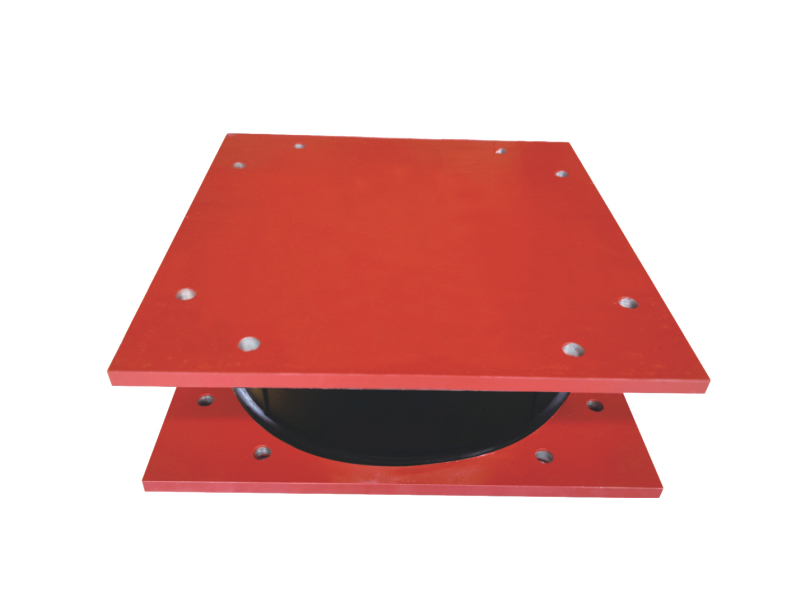
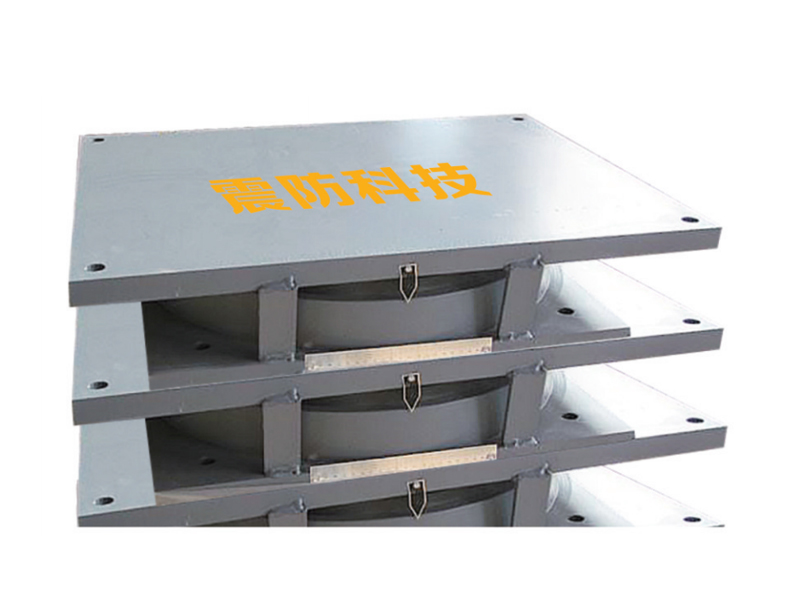
The prominent application of high damping rubber is in the field of seismic engineering, specifically within laminated isolation bearings. These bearings, which alternate layers of high damping rubber with steel plates, are installed at the base of structures. During an earthquake, the bearing allows lateral movement, isolating the superstructure from ground shaking. Crucially, the high damping rubber layers simultaneously absorb a substantial portion of the seismic energy, reducing the amplitude and duration of the structure's sway. This combination of flexibility and damping in a single, integrated material simplifies design and enhances the reliability of the isolation system, making structures equipped with high damping rubber bearings more likely to remain functional after a seismic event.
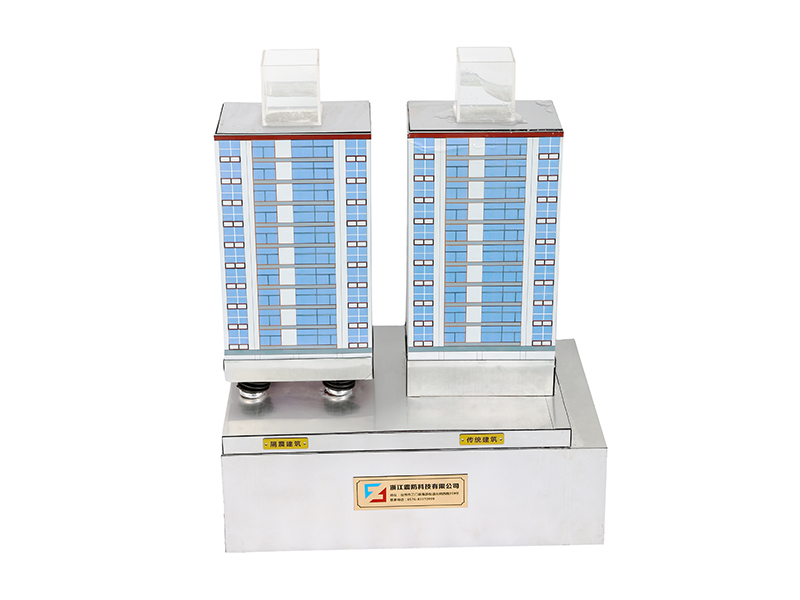
The development and production of consistent, reliable high damping rubber involve sophisticated polymer science. Formulators adjust the compound using specific types of rubber (like natural rubber or specialized synthetic polymers), fillers (such as carbon black), oils, and proprietary additives to achieve a target balance of stiffness, damping capacity (often expressed as a loss factor), and durability. The material must maintain these properties over a wide temperature range and for decades of service, resisting aging effects like ozone cracking and creep. Quality control in manufacturing high damping rubber is therefore rigorous, ensuring each batch meets precise performance specifications.
Innovation in high damping rubber technology focuses on enhancing performance and sustainability. Research aims to develop compounds with even higher damping ratios without compromising other mechanical properties, and with improved resistance to environmental degradation. There is also growing interest in the lifecycle of these materials, including the potential for recycling or more sustainable production pathways. As urban density increases and infrastructure faces more frequent bad events, the demand for effective vibration and seismic mitigation grows. High damping rubber, with its proven ability to integrate resilience directly into structural and mechanical systems, is poised to remain a material of choice, quietly ensuring stability and safety by transforming disruptive energy into harmless heat.

The company has been adhering to the corporate tenet of "quality first, customer first", and sincerely welcomes domestic and foreign customers to visit and guide.
GET A QUOTE
Add: No. 359 Guangming West Road, Sanmen County, Taizhou City, Zhejiang Province, China
International Trade Manager: Madison
Tel/Whatsapp:+86-17857335842
Copyright © Zhejiang Earthquake Prevention Technology Co., Ltd. All Rights Reserved.
