

 English
 日本語
日本語 русский
 简体中文
简体中文
The company has been adhering to the corporate tenet of "quality first, customer first", and sincerely welcomes domestic and foreign customers to visit and guide.
GET A QUOTE
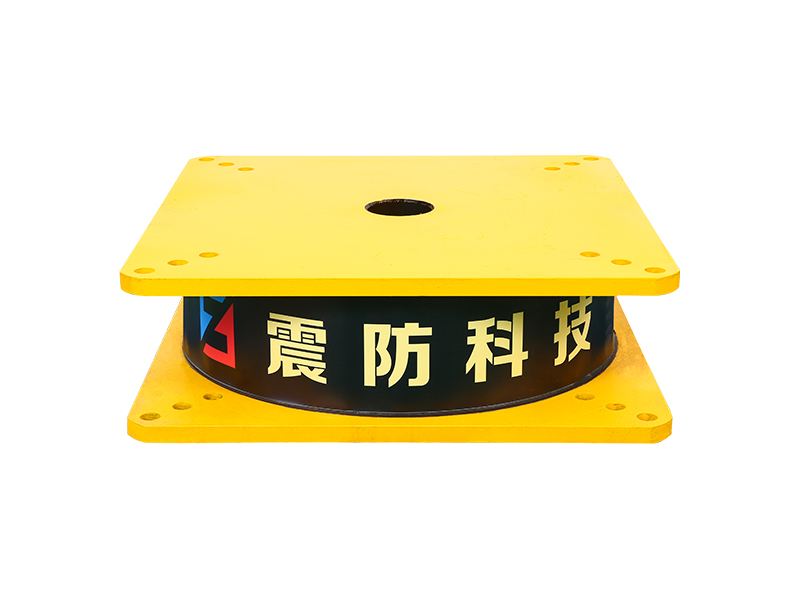
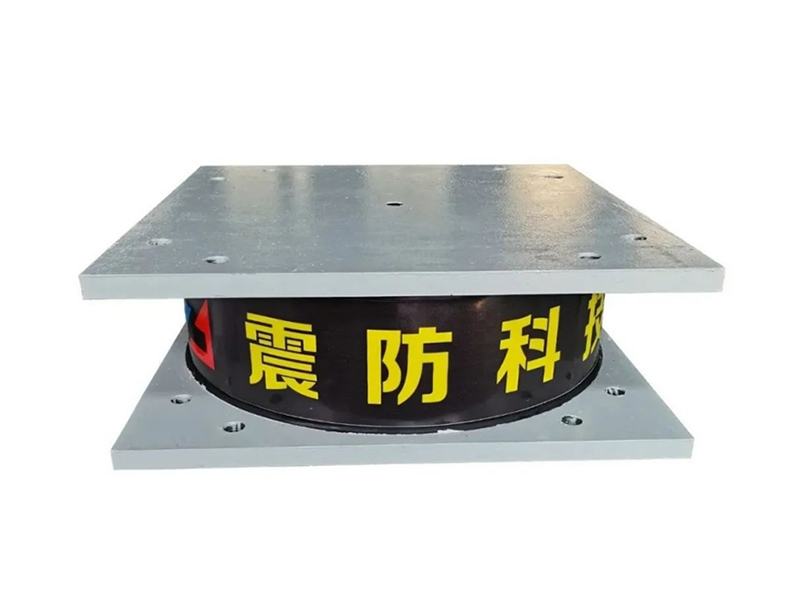
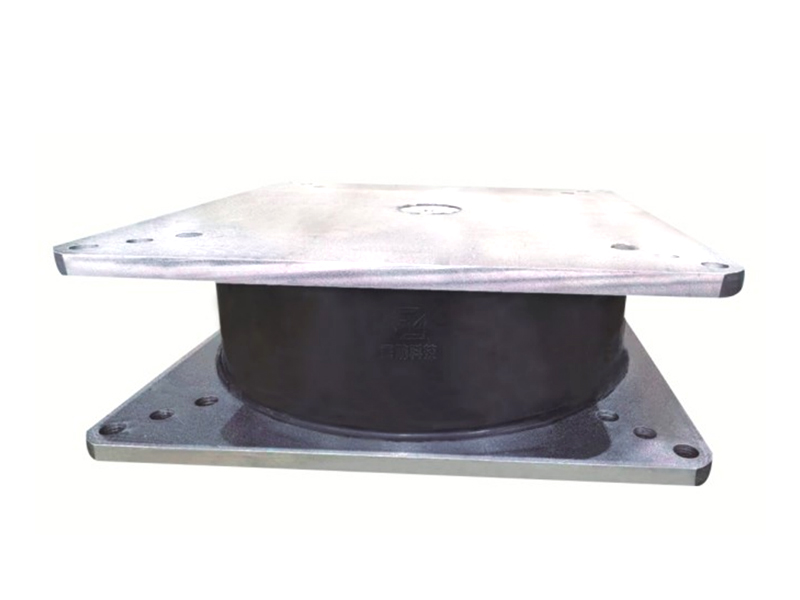
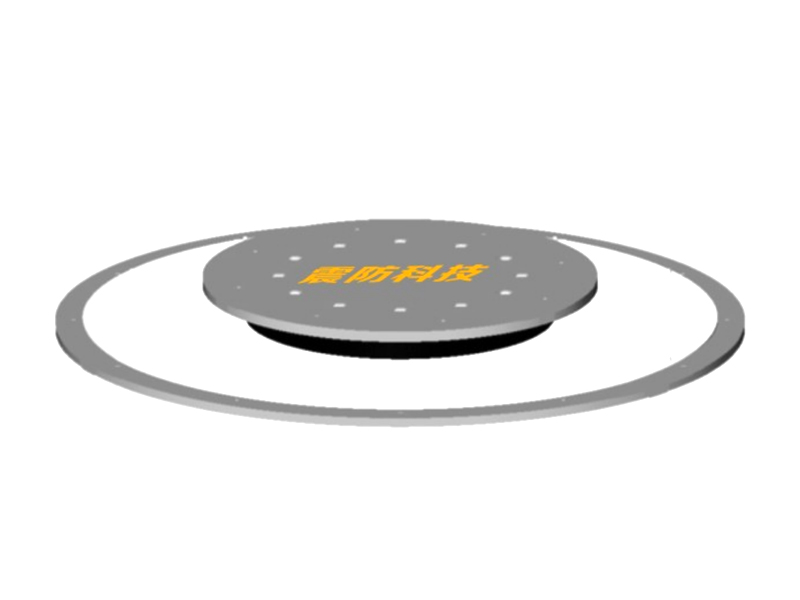
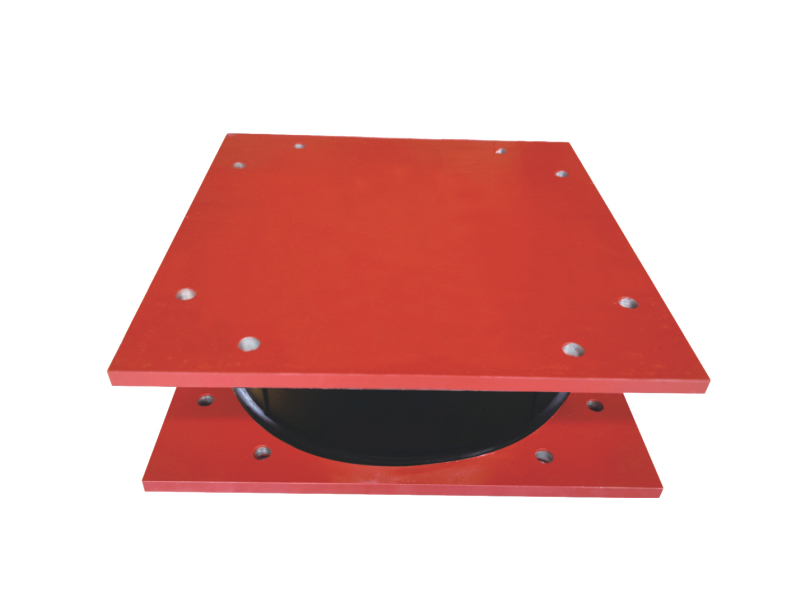
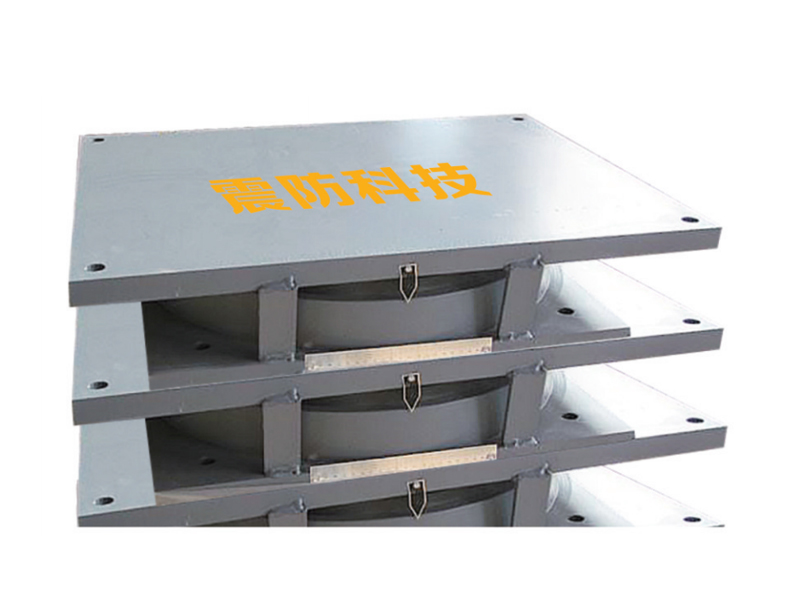
High damping rubber is a specialized elastomeric material that absorbs and dissipates vibration energy more effectively than standard rubber compounds. Used in seismic isolation bearings, building mounts, and industrial machinery supports, high damping rubber helps protect structures and equipment from damaging vibrations and earthquake forces.
The key property of high damping rubber is its ability to convert mechanical energy into heat. When the rubber is deformed by vibration or seismic movement, its internal molecular structure generates friction, turning the motion energy into thermal energy that dissipates harmlessly. Standard rubber returns most of the energy it receives, causing the structure to continue vibrating. High damping rubber returns much less energy, stopping the vibration quickly. This difference matters for buildings in earthquake zones and for sensitive equipment that requires stable support.
The composition of high damping rubber includes special fillers and additives that increase internal friction. Carbon black, silica, and other particles are mixed into the rubber compound to create more contact points between polymer chains. These contact points slide against each other when the rubber stretches or compresses, generating heat. The amount of damping is measured by the loss factor, with higher loss factors indicating better energy absorption. High damping rubber typically has a loss factor of 0.1 to 0.3, compared to 0.02 to 0.05 for standard rubber.
The temperature range of high damping rubber affects its performance. Like all rubber materials, high damping rubber becomes stiffer at low temperatures and softer at high temperatures. The damping properties also change with temperature. Manufacturers formulate high damping rubber compounds to maintain effective damping across the expected temperature range for the application. For outdoor use in cold climates, special low-temperature compounds are available. For industrial applications near heat sources, high-temperature formulations resist softening.
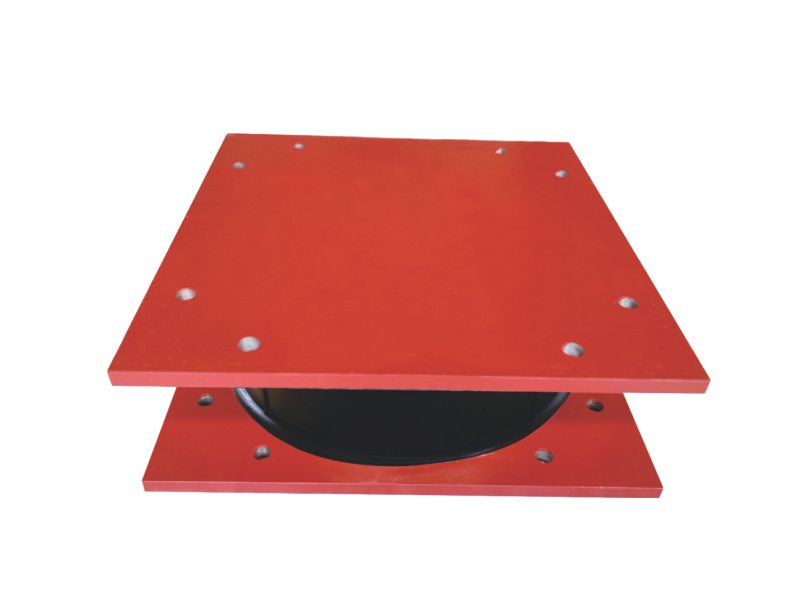
The durability of high damping rubber is measured in years or decades. The material resists aging from oxygen and ozone better than standard rubber, thanks to anti-degradant additives. The rubber also resists creep, the tendency to deform permanently under constant load. A high damping rubber bearing supporting a building will maintain its shape and damping properties for many years. Regular inspection checks for surface cracking, which would indicate aging or overloading.
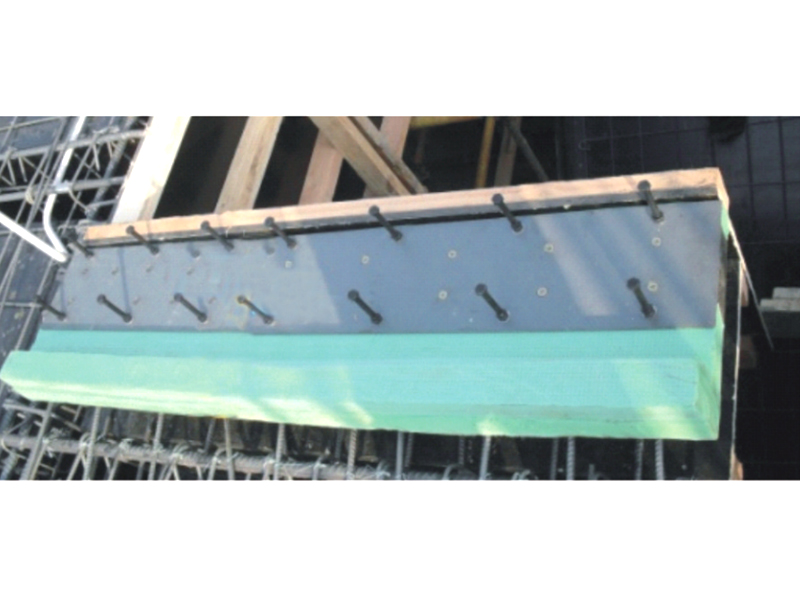
The applications for high damping rubber are extensive. In seismic isolation, high damping rubber bearings are placed between a building and its foundation. During an earthquake, the bearings flex horizontally, isolating the building from ground motion. The high damping property reduces the building’s shaking, protecting occupants and contents. In bridges, high damping rubber bearings allow thermal movement while damping traffic-induced vibrations. In industrial machinery, high damping rubber mounts reduce vibration transmission to the floor and surrounding equipment.
The testing of high damping rubber ensures quality and performance. Samples are subjected to dynamic testing that measures stiffness and damping at different frequencies and strain levels. The test results must match the design specifications for the application. Full-scale bearings are also tested, compressed vertically and moved horizontally while measuring force and displacement. These tests confirm that the high damping rubber will perform as designed under actual service conditions.
For engineers designing vibration control systems, high damping rubber provides a reliable, maintenance-free solution. It absorbs energy without moving parts, requires no lubrication, and lasts for decades. From earthquake protection for hospitals to vibration isolation for sensitive laboratory equipment, high damping rubber makes structures safer and machinery quieter, quietly doing its job year after year.

The company has been adhering to the corporate tenet of "quality first, customer first", and sincerely welcomes domestic and foreign customers to visit and guide.
GET A QUOTE
Add: No. 359 Guangming West Road, Sanmen County, Taizhou City, Zhejiang Province, China
International Trade Manager: Madison
Tel/Whatsapp:+86-17857335842
Copyright © Zhejiang Earthquake Prevention Technology Co., Ltd. All Rights Reserved.
