

 English
 日本語
日本語 русский
 简体中文
简体中文
The company has been adhering to the corporate tenet of "quality first, customer first", and sincerely welcomes domestic and foreign customers to visit and guide.
GET A QUOTE
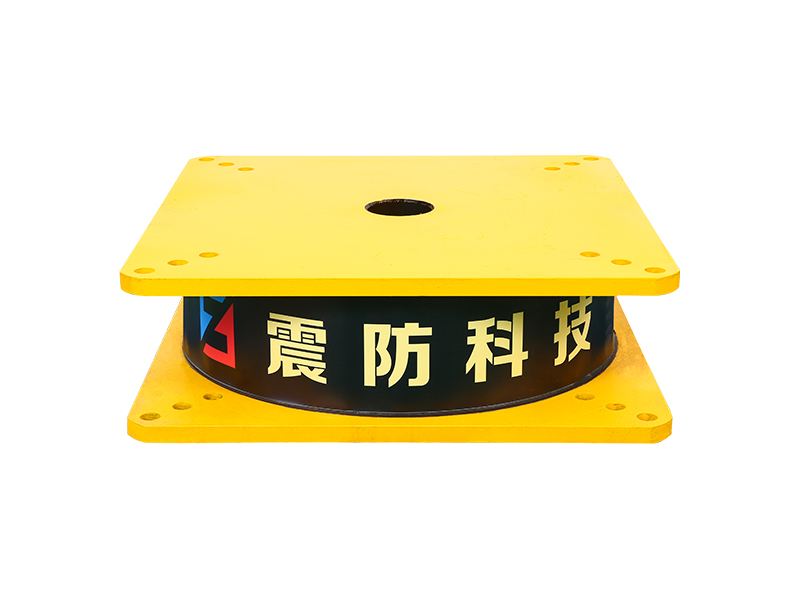
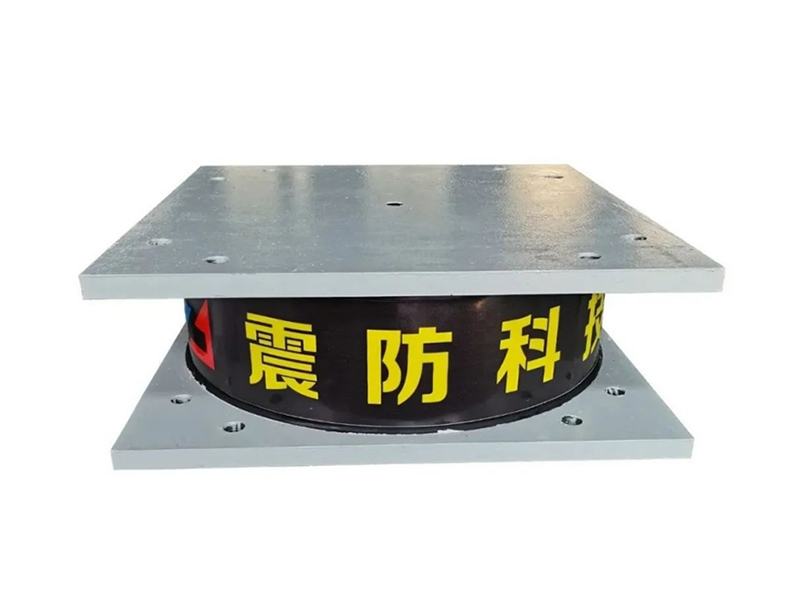
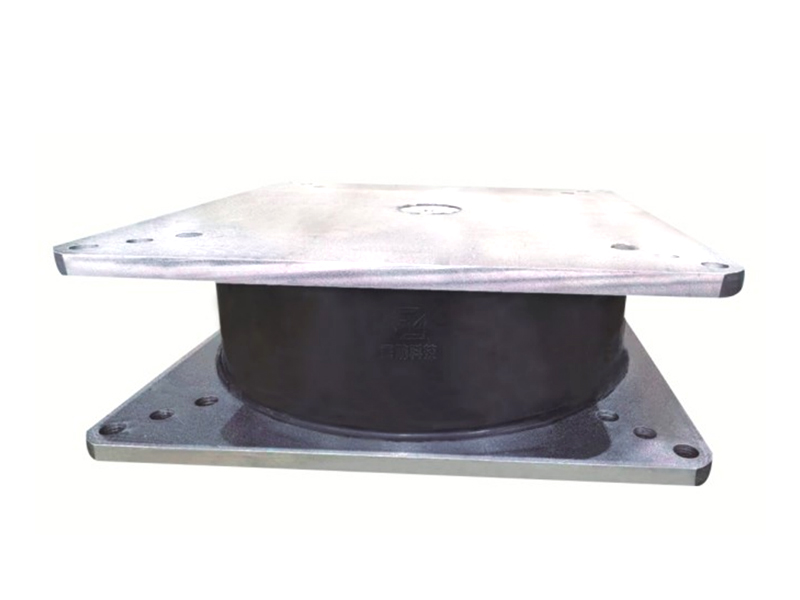
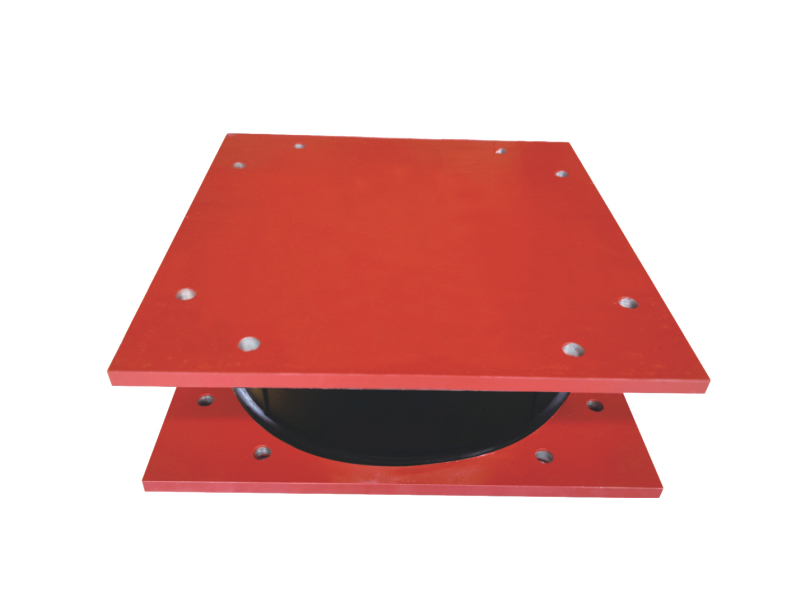
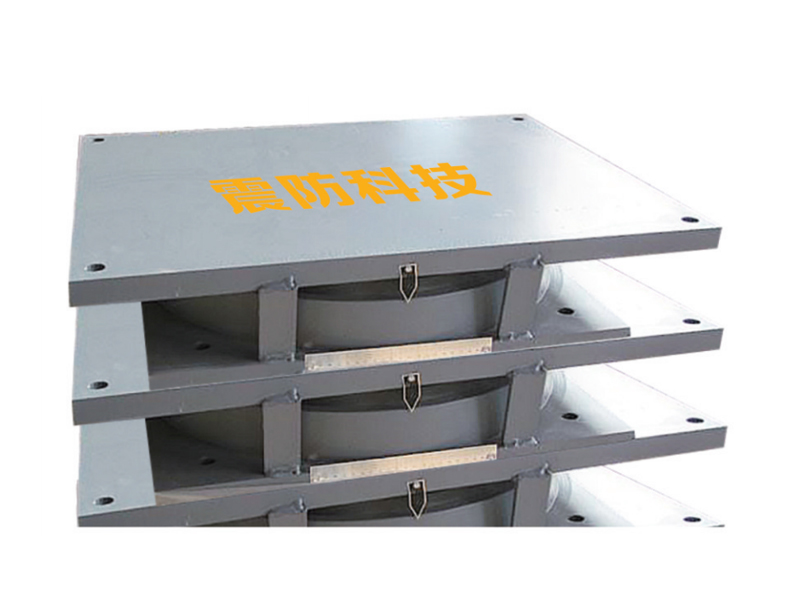
The natural rubber isolation bearing is a structural component used in buildings and industrial equipment. A natural rubber isolation bearing is placed between a structure and its foundation to reduce vibration transmission. This device consists of layers of natural rubber bonded between steel plates. The natural rubber isolation bearing allows horizontal movement while supporting vertical loads. A typical natural rubber isolation bearing measures between 200 and 800 millimeters in diameter. The height of a natural rubber isolation bearing ranges from 50 to 300 millimeters depending on the design. These dimensions vary based on the weight of the structure and the expected movement.
The construction of a natural rubber isolation bearing involves several manufacturing steps. Natural rubber sheets are cut to the required shape and size. Steel shims are cleaned and coated with adhesive for bonding. The natural rubber and steel layers are stacked alternately in a mold. Heat and pressure are applied to cure the natural rubber isolation bearing. This process bonds the rubber to the steel plates permanently. The finished natural rubber isolation bearing has a strong, unified structure. A cover layer of natural rubber protects the steel edges from corrosion.
The working principle of a natural rubber isolation bearing is based on rubber elasticity. Under vertical loads, the natural rubber isolation bearing compresses slightly but remains stable. The steel shims restrict bulging of the natural rubber layers. This confinement gives the natural rubber isolation bearing high vertical stiffness. Under horizontal forces, the natural rubber isolation bearing allows lateral movement. The natural rubber layers shear sideways while the steel plates remain parallel. This shearing action absorbs and dissipates energy from ground motion or mechanical vibration.
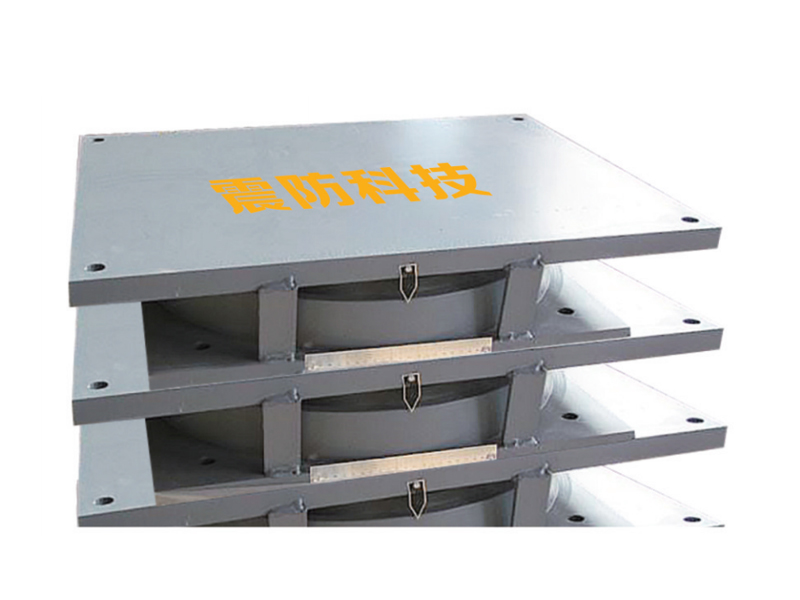
The natural rubber isolation bearing serves different applications in construction and industry. In building construction, a natural rubber isolation bearing protects against earthquake forces. The bearing extends the natural period of the building structure. A natural rubber isolation bearing in a bridge supports the deck while allowing thermal expansion. In industrial settings, a natural rubber isolation bearing isolates heavy machinery from the floor. The bearing prevents vibration from spreading to adjacent areas or sensitive equipment. A natural rubber isolation bearing can also protect delicate instruments in laboratories or hospitals.
The material properties of natural rubber isolation bearing are important for performance. Natural rubber offers good elasticity and tensile strength for this application. The hardness of natural rubber in an isolation bearing is typically between 40 and 70 on the Shore A scale. Natural rubber isolation bearing products perform well across a temperature range of minus 20 to plus 50 degrees Celsius. Below this range, natural rubber becomes stiff and loses flexibility. Above this range, natural rubber isolation bearing material may soften and degrade faster. Additives can be mixed with natural rubber to improve temperature resistance or durability.
The maintenance of a natural rubber isolation bearing is small over its service life. Visual inspection of the natural rubber isolation bearing should occur every few years. Cracks on the surface of the natural rubber isolation bearing may indicate aging or overloading. The height of a natural rubber isolation bearing is measured to check for permanent deformation. Exposure to oils or solvents can damage the natural rubber isolation bearing material. A protective cover or coating can extend the life of a natural rubber isolation bearing in harsh environments. The expected service life of a natural rubber isolation bearing is 30 to 50 years under normal conditions. The natural rubber isolation bearing continues to be selected for vibration control in seismic protection and machinery isolation projects worldwide.

The company has been adhering to the corporate tenet of "quality first, customer first", and sincerely welcomes domestic and foreign customers to visit and guide.
GET A QUOTE
Add: No. 359 Guangming West Road, Sanmen County, Taizhou City, Zhejiang Province, China
International Trade Manager: Madison
Tel/Whatsapp:+86-17857335842
Copyright © Zhejiang Earthquake Prevention Technology Co., Ltd. All Rights Reserved.
