

 English
 日本語
日本語 русский
 简体中文
简体中文
The company has been adhering to the corporate tenet of "quality first, customer first", and sincerely welcomes domestic and foreign customers to visit and guide.
GET A QUOTE
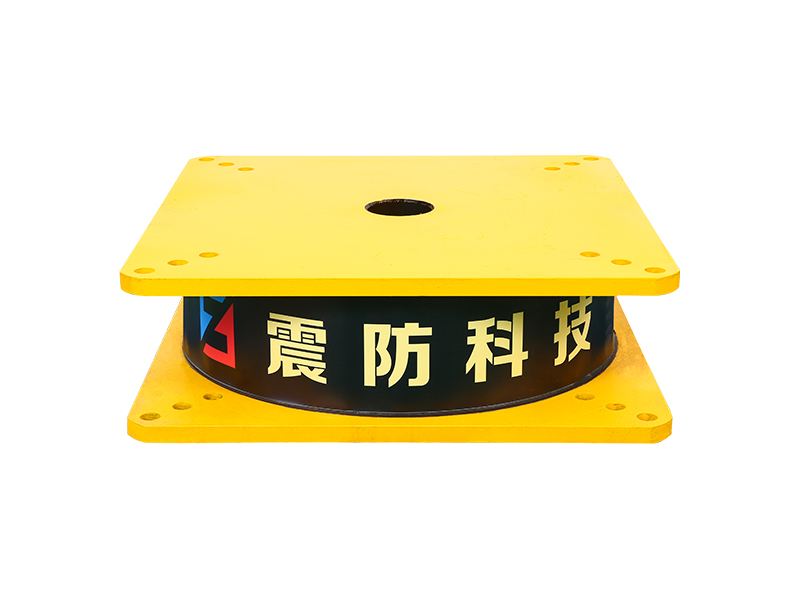
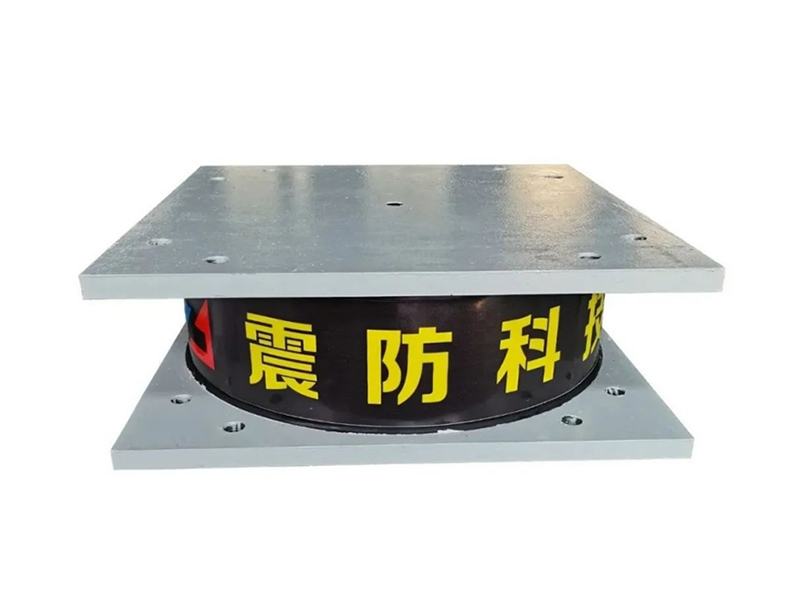
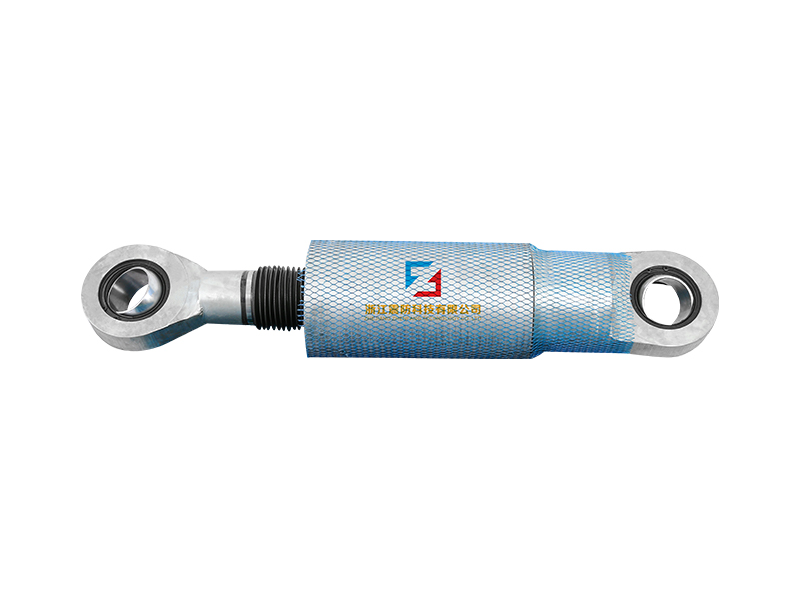
Structural engineers designing high-rise buildings and long-span bridges in seismically active regions increasingly specify supplemental damping devices rather than relying solely on the structure's inherent stiffness to resist earthquake forces. A viscous friction damper installed within a building's structural frame converts kinetic energy from ground motion into heat through internal fluid resistance, reducing the peak forces transmitted through connected structural members during a seismic event.
The core mechanism inside a viscous friction damper relies on a piston moving through a chamber filled with viscous fluid, typically a silicone-based compound engineered for stable performance across a wide temperature range. As the piston moves in response to structural motion, fluid forced through internal orifices generates resistance proportional to piston velocity, converting mechanical energy into heat rather than allowing that energy to transfer directly into structural stress on connected beams and columns.
Fluid formulation directly affects damping performance consistency across different loading rates, since a viscous friction damper experiencing slow structural drift during wind loading needs to behave predictably alongside the same device responding to the much faster velocity spikes generated during earthquake shaking. Manufacturers testing fluid formulations run velocity sweep testing across this full range, confirming damping force scales appropriately rather than showing erratic behavior at either the low or high end of the expected velocity spectrum.
Orifice geometry inside the damper chamber determines the specific relationship between piston velocity and resulting damping force, and engineers designing a viscous friction damper for a specific structural application calibrate orifice size and configuration to match the target damping coefficient the structural analysis calls for. A damper producing too little resistance fails to meaningfully reduce peak structural forces during a significant seismic event, while excessive resistance transfers unexpectedly high forces into the connection points anchoring the damper to the structural frame.
Orifice geometry design also influences damper behavior across repeated cycling during an extended seismic event, since orifice wear or fluid degradation across dozens of loading cycles within a single earthquake could theoretically shift damping performance partway through the event. Manufacturers running cyclic fatigue testing subject sample dampers to repeated loading sequences matching realistic earthquake duration and intensity profiles, confirming performance consistency holds across the full cycling range rather than degrading partway through simulated seismic loading.
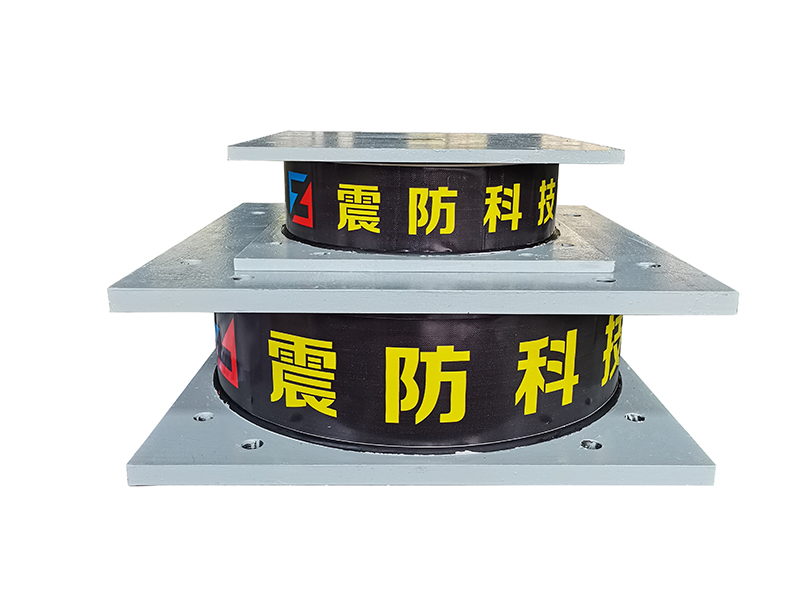
Internal seals preventing fluid leakage around the piston rod represent a critical reliability factor for this class of damping device, expected to remain functional for decades after installation without routine maintenance access, since these devices typically get installed within structural framing that becomes difficult to access once construction finishes. Seal material selection balances the flexibility needed to accommodate piston movement against long-term chemical compatibility with the internal fluid, avoiding gradual seal degradation that could eventually bring about fluid loss and reduced damping performance over the building's service life.
Manufacturers producing dampers rated for multi-decade service life run accelerated aging tests on seal materials, simulating years of thermal cycling and mechanical stress compressed into a shorter testing timeframe to project expected seal service life before recommending inspection or replacement intervals to building owners.
Placement location within a structural system significantly affects how effectively a viscous friction damper reduces total building response during seismic loading, since dampers positioned at locations experiencing more relative displacement between structural elements dissipate more energy than dampers placed at locations with minimal relative motion. Structural engineers running response analysis models identify damper placement before finalizing building design, sometimes iterating between damper location and building configuration to maximize the full damping system's effectiveness across the structure.
Retrofit installations on existing buildings face additional integration challenges compared with new construction, since adding this type of damping system to an existing structural frame requires careful connection design working within the constraints of the building's original structural layout rather than designing damper placement into the structure from the initial planning stage.
Building codes in seismically active regions increasingly require documented performance testing for supplemental damping devices before approval for structural use, and manufacturers supplying a viscous friction damper for code-regulated construction projects submit testing data covering force-velocity relationships, fatigue performance, and temperature sensitivity to structural review boards evaluating the device against applicable engineering standards for the project's specific seismic risk category.

The company has been adhering to the corporate tenet of "quality first, customer first", and sincerely welcomes domestic and foreign customers to visit and guide.
GET A QUOTE
Add: No. 359 Guangming West Road, Sanmen County, Taizhou City, Zhejiang Province, China
International Trade Manager: Madison
Tel/Whatsapp:+86-17857335842
Copyright © Zhejiang Earthquake Prevention Technology Co., Ltd. All Rights Reserved.
