

 English
 日本語
 русский
 简体中文

The company has been adhering to the corporate tenet of "quality first, customer first", and sincerely welcomes domestic and foreign customers to visit and guide.
GET A QUOTE
A Linear Rubber Bearing is easy to overlook, but the connection between a girder and its pier has to accommodate movement while transferring loads. In bridge applications, the Linear Rubber Bearing (LNR) forms part of this connection. It carries vertical loads while allowing horizontal displacement and movement caused by temperature changes, structural rotation, and earthquakes.
Its position, properties, and connection details affect how forces pass between the girder and piers. This is particularly important on curved girder bridges, where horizontal force directions can vary across the support system.
A bridge moves even when there is no earthquake. Temperature changes cause the girder to expand and contract. Traffic loads and structural rotation also create movement at the supports. During an earthquake, the bridge may experience larger horizontal displacement, which the support system must accommodate within the project requirements.
A Linear Rubber Bearing transfers vertical loads from the girder to the pier while allowing the movement required by the structure. Its arrangement must correspond to the bridge layout, since movement at one support can affect force transfer through the structure.
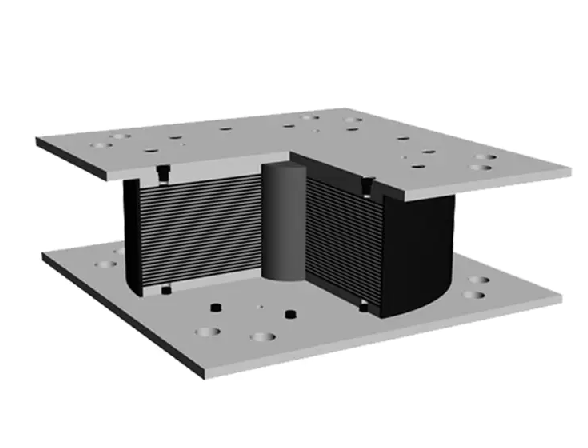
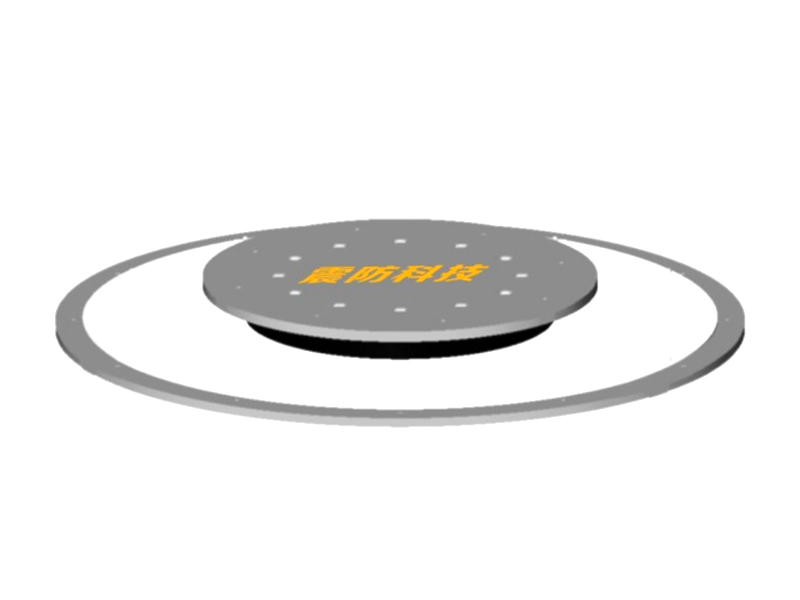
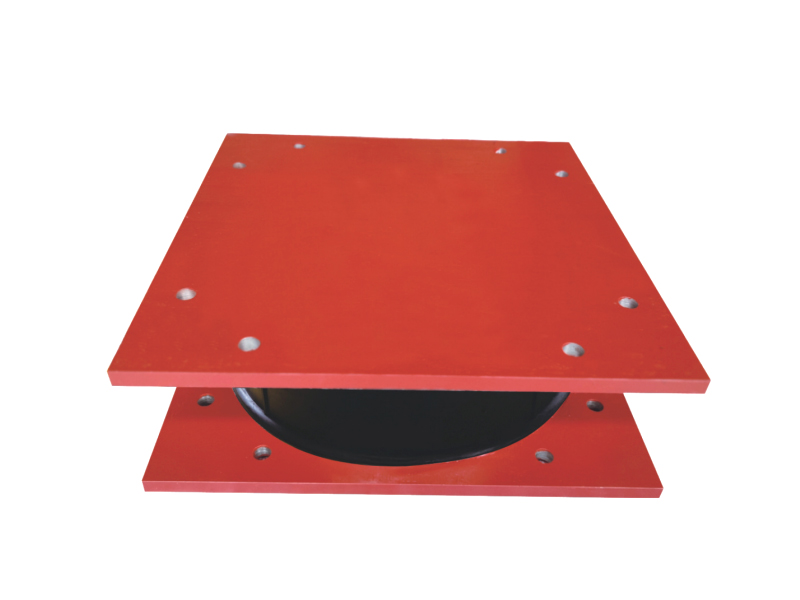
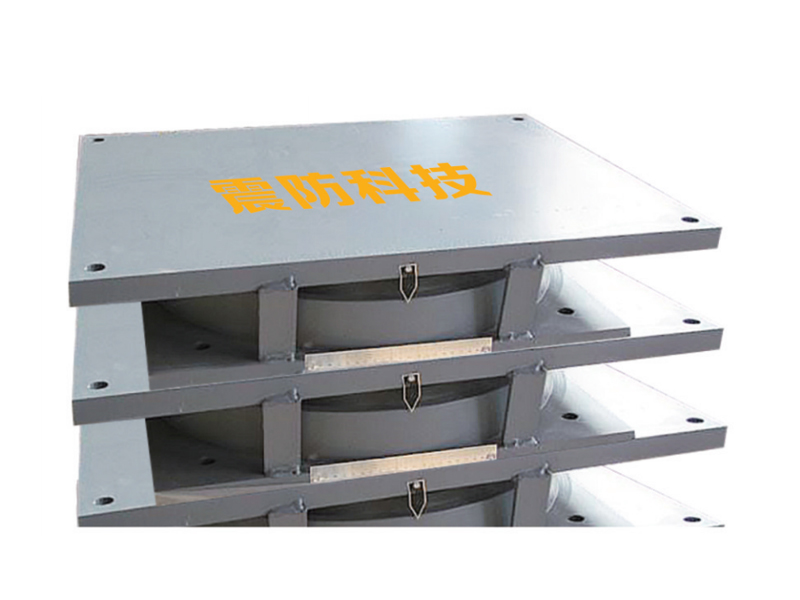
A Linear Rubber Bearing consists of alternating layers of natural rubber and steel plates or other reinforcing materials, without a vertical core. The layered structure supports vertical loads and permits horizontal shear deformation. This makes it suitable for bridge supports where the girder needs to move while remaining connected to the substructure.
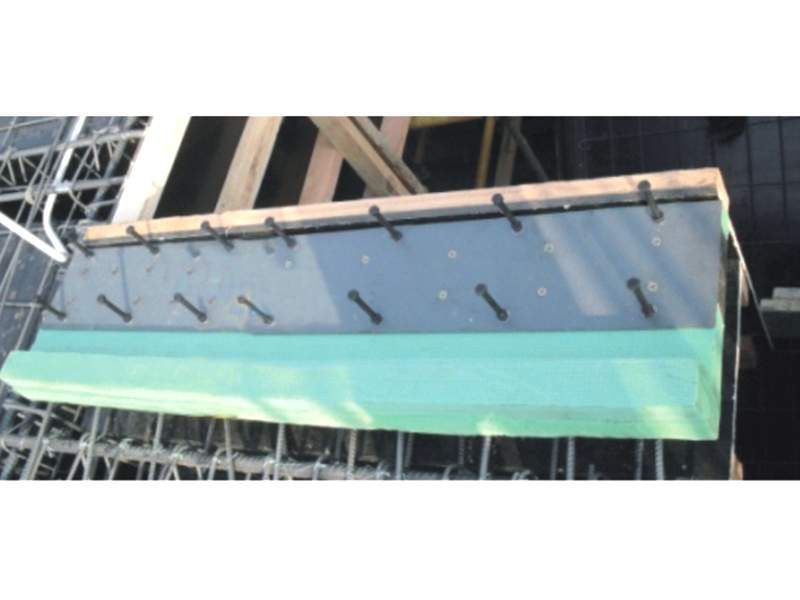
Installed between the main girder and the pier, the Linear Rubber Bearing transfers loads through the support assembly. When horizontal movement occurs, the rubber layers deform in shear and provide a restoring response. The permitted displacement and stiffness must be determined from the specified mechanical properties and bridge calculations, not from the product name or outside dimensions alone.
The horizontal force path can be more complicated on a curved girder bridge than on a straight alignment. Bridge geometry affects the direction in which forces act at individual supports. For this reason, each bearing needs to be considered as part of the complete linear rubber bearing arrangement rather than as a separate component.
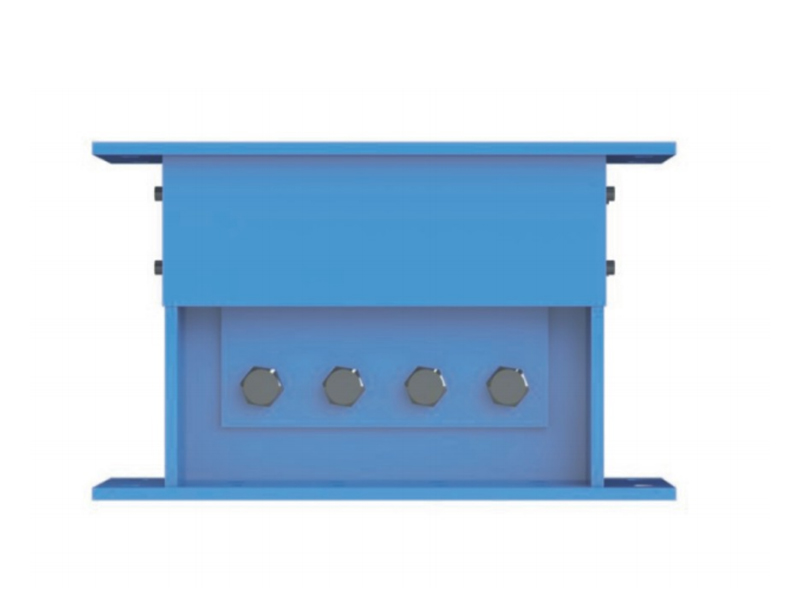
LNR horizontal force dispersion rubber bearings, a form of Linear Rubber Bearing, connect the main girder and bridge piers, allowing the piers to share horizontal forces.
Girder geometry, pier positions, connection details, and the properties assigned to each support all influence force distribution. Bearing layout and selection must follow the project calculations and drawings.
Effective diameter or plan dimensions are only part of a Linear Rubber Bearing specification. A bridge project also needs to define vertical bearing capacity, vertical stiffness, horizontal stiffness, and horizontal deformation capacity. These properties affect how the bearing responds to the loads and movements considered in the structural analysis.
Two linear rubber bearings with the same nominal diameter should not automatically be treated as interchangeable. Their internal structure and specified mechanical properties may differ. The design documents should state the required values for each support location, particularly when piers carry different loads or have different movement conditions.
Bearing schedules, drawings, and technical data should be checked together. Differences in dimensions, support positions or mechanical values need clarification before manufacturing documents are finalized.
A Linear Rubber Bearing for bridge use is not selected by size alone. Service conditions can call for different laminated structures, dimensions, rubber formulations, and manufacturing processes. The specification needs to reflect the performance requirements established by the project.
Approved drawings and technical requirements provide the basis for manufacturing. Dimensions, layer arrangement, and material requirements must correspond to the specified model. Changes to these details should be confirmed through the project engineering process rather than introduced informally during production.
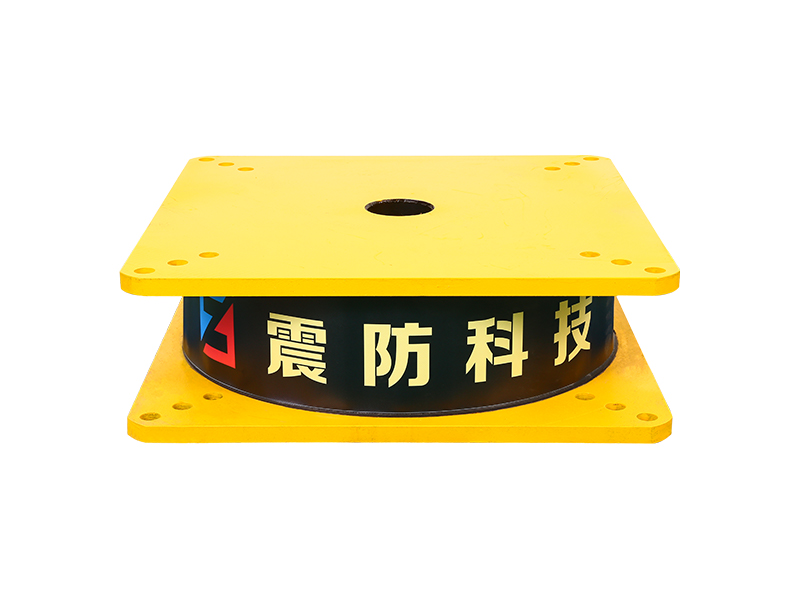
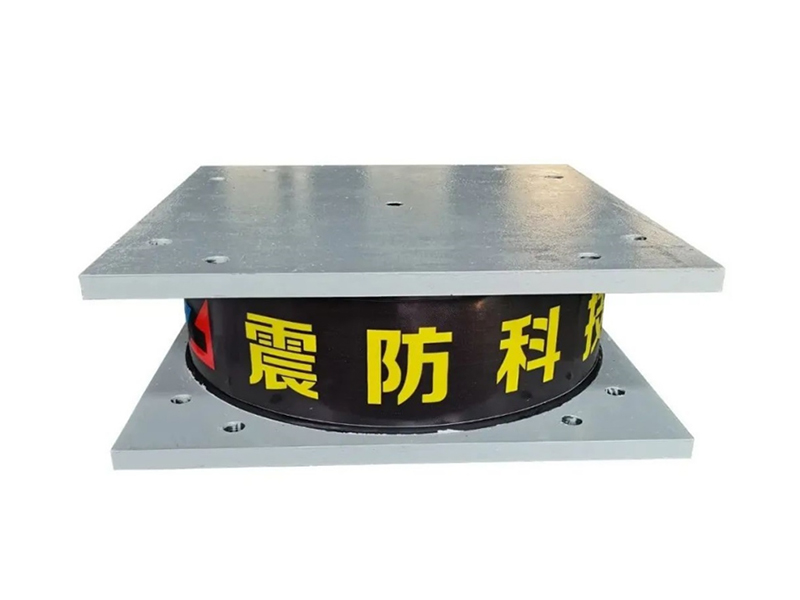
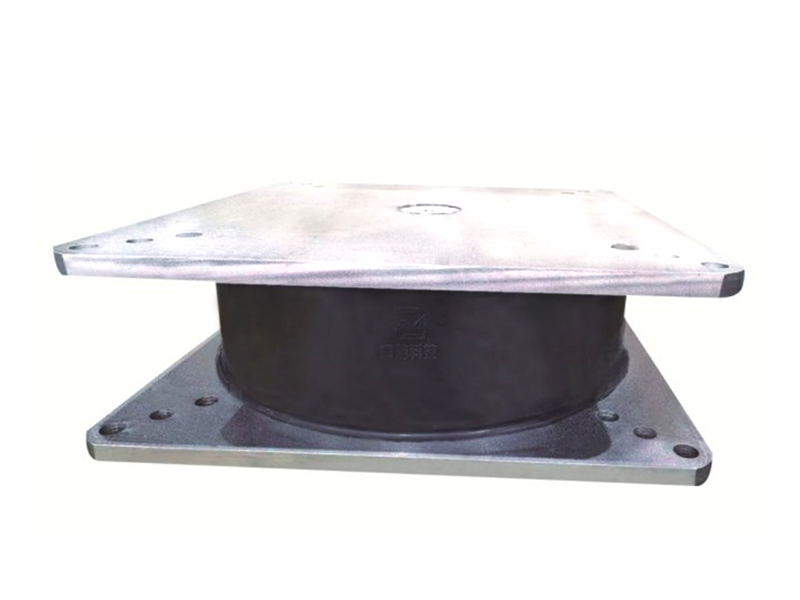
Zhejiang Earthquake Prevention Technology Co., Ltd. manufactures LNR-I and LNR-II natural rubber bearings in compliance with the EN 15129 standard. The company provides natural rubber bearing solutions for seismic isolation applications, with product specifications covering different bearing sizes and mechanical properties. Clear coordination between structural design, bearing specifications, and manufacturing documents helps ensure that each Linear Rubber Bearing matches its intended position and function within the bridge support system.
A bridge bearing is one component in a larger structural system. Its performance depends on support demands, connection details, and force transfer between the girder and piers. On curved bridges, horizontal force distribution needs to be considered across the full bearing arrangement.
Each Linear Rubber Bearing unit's dimensions and mechanical properties need to match the requirements at its support location. This gives the project team a basis for reviewing the bearing arrangement before production and installation.

The company has been adhering to the corporate tenet of "quality first, customer first", and sincerely welcomes domestic and foreign customers to visit and guide.
GET A QUOTE
Add: No. 359 Guangming West Road, Sanmen County, Taizhou City, Zhejiang Province, China
International Trade Manager: Madison
Tel/Whatsapp:+86-17857335842
Copyright © Zhejiang Earthquake Prevention Technology Co., Ltd. All Rights Reserved.
