

 English
 日本語
 русский
 简体中文

The company has been adhering to the corporate tenet of "quality first, customer first", and sincerely welcomes domestic and foreign customers to visit and guide.
GET A QUOTE
On a windy afternoon, a tall building sways a few centimetres, and nobody calls it an earthquake. The structure still moves, the occupants still feel it, and the frame still absorbs fatigue cycles. A Viscoelastic Damper is one of the few devices in structural control that starts dissipating energy during that small movement, because it does not wait for a yield point or a trigger displacement. It works whenever the two sides of the device shift relative to each other.
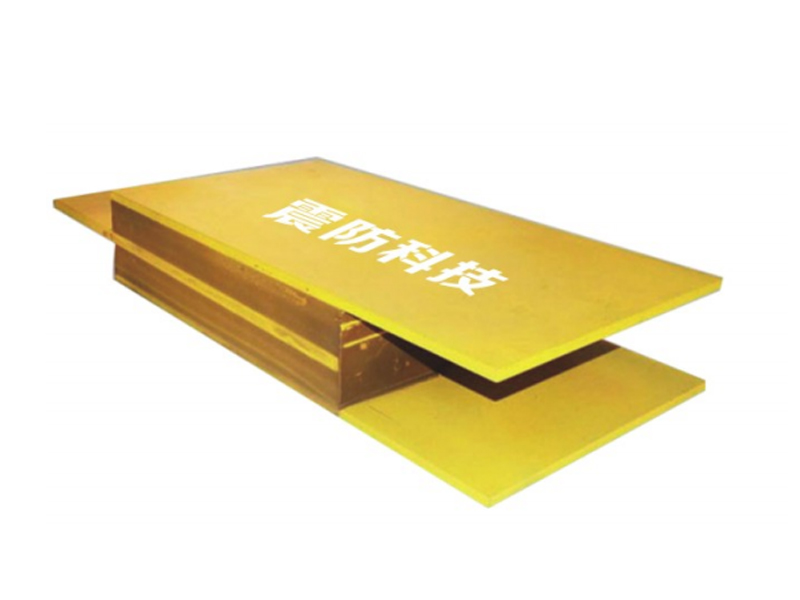
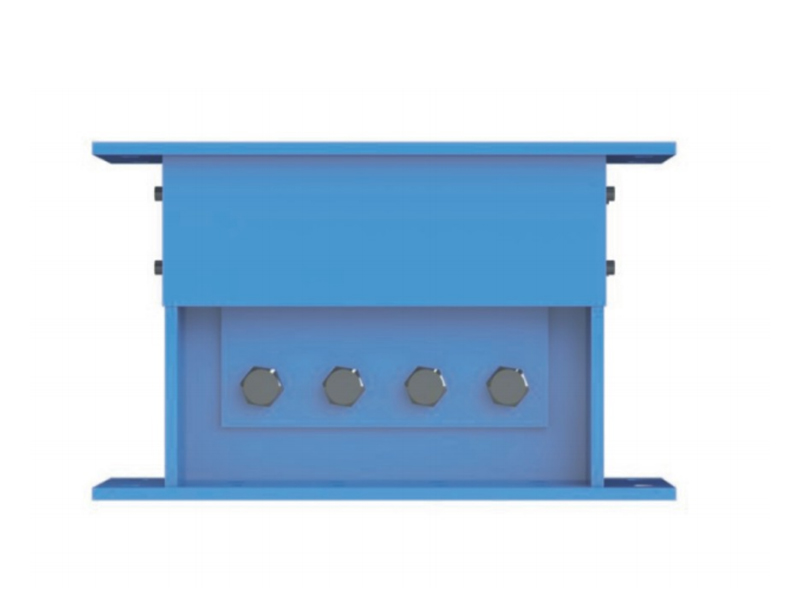
The page describes a viscoelastic damper as viscoelastic damping material and constraining steel plates stacked alternately and bonded together. When one plate moves relative to the next, the material between them is sheared, and the input vibration energy is turned into heat. The steel plates and the adhesive layers do almost no energy consumption themselves, so the loss factor of the finished Viscoelastic Damper is lower than that of the bare material. This is the reason engineers ask for test data on the whole device rather than on a material sample. The overall deformation is the sum of the deformation of the material, the plates, and the adhesive.
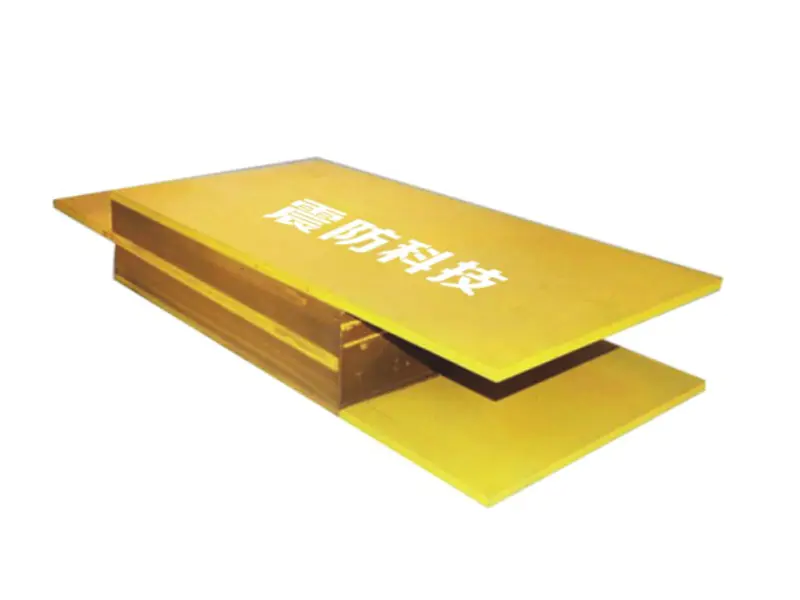
A damper only works where there is relative movement. The product page lists diagonal bracing, herringbone bracing, beam-column joints, truss lower chords, and the gap between adjacent buildings. A wall panel type, built from an upper steel plate, a lower steel plate, and material in between, fits where a wall can take horizontal shear. Both plane and cylinder shapes are listed. Between adjacent buildings, the device links two structures with different sway periods, and the relative movement between them does the work. Choosing the position is part of the shock absorption system design, because the same Viscoelastic Damper placed where drift is small will do far less work than one placed on a diagonal brace in the storey with the largest drift.
The page names three load-deformation hysteresis types: linear, deformation-softening, and deformation-hardening. The damping force depends on both velocity and displacement, and the mechanical model can be a fractional-derivative constitutive relation or a spring-and-damper combination. For an analyst, this decides which numerical model goes into the building simulation. A softening curve limits the peak force passed to the connections at large displacement, while a hardening curve raises it, so the connection design has to be checked against the type chosen. A VED supplied with hysteresis loops recorded at several displacement amplitudes lets the design office pick the right model and check it against the loops, instead of assuming a textbook curve.
Viscoelastic materials respond to temperature and to how fast they are loaded, so a wind cycle lasting several seconds does not load the device the same way as an earthquake pulse. Designers therefore ask for performance across the building's working temperature range and across the frequencies they expect. The figures for a particular Viscoelastic Damper depend on the material formula, layer count and plate size, and they should be confirmed with the factory for each project. Where the standard size does not fit, a viscoelastic damping device can be adapted in plate dimensions and layer arrangement.
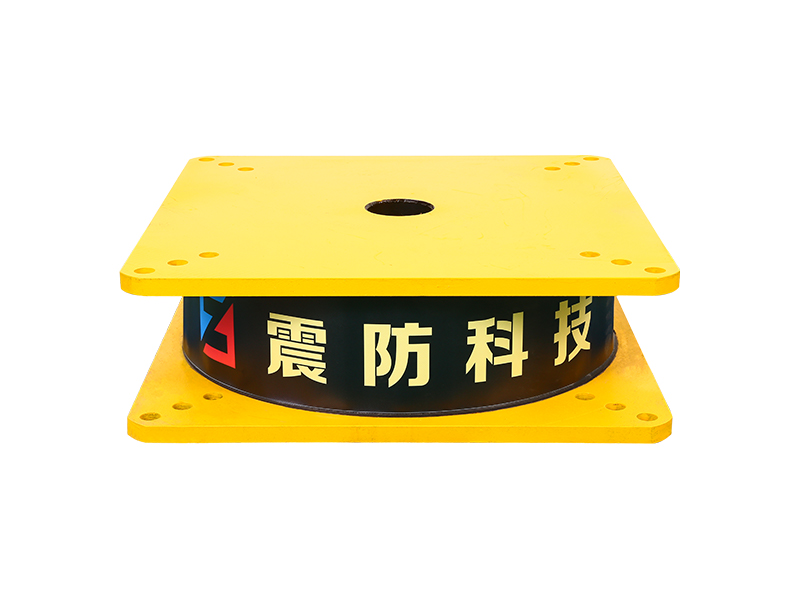
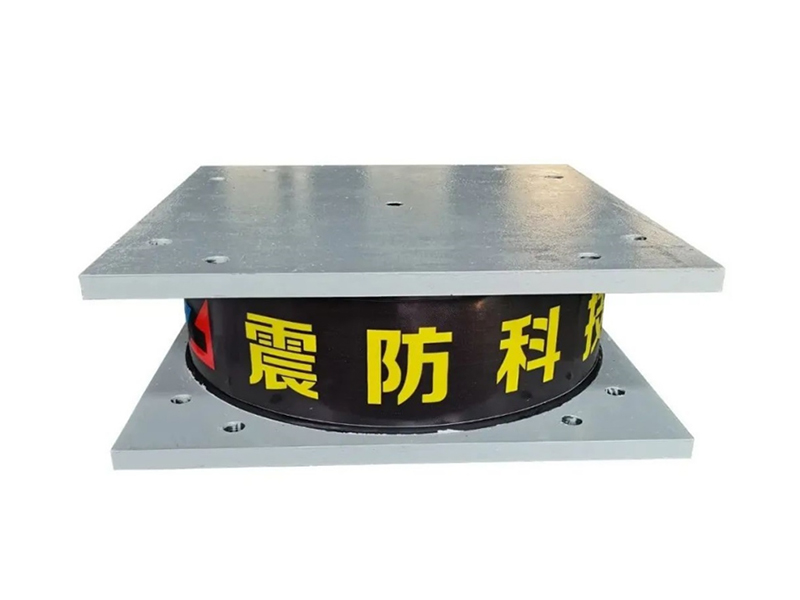
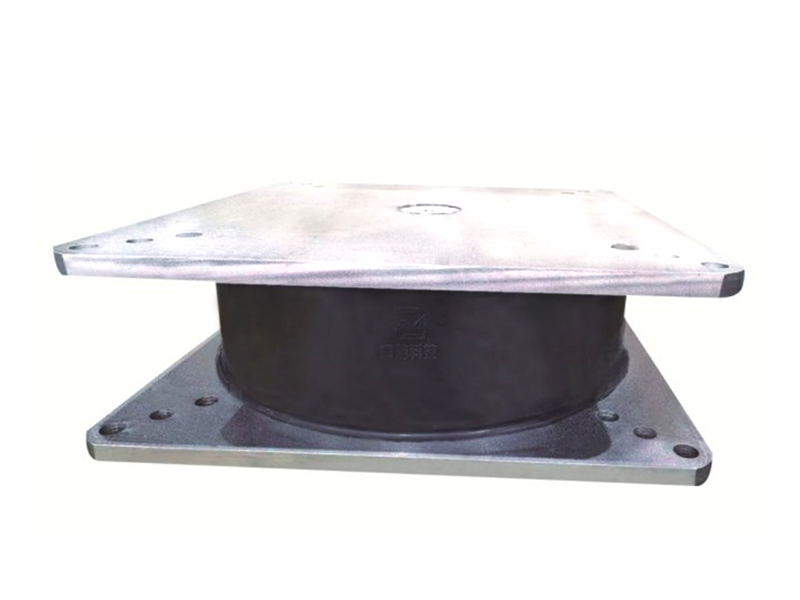
A useful enquiry includes the building drawing, the proposed damper positions, the expected displacement range, and the working temperature. Zhejiang Earthquake Prevention Technology Co., Ltd. operates from its own factory buildings of about 10,800 square meters and a technical team supported by the Institute of Engineering Mechanics of China Earthquake Administration, and it is a member of the China Disaster Prevention Association. From those inputs, the factory can propose sizes and quantities for a Viscoelastic Damper layout and discuss sample test data at the quotation stage. For projects that combine dampers with isolation bearings, the same team can review how the two parts of the shock absorption system share the load.
Small movements add up over the life of a building, and a device that responds to them earns its place in the frame.

The company has been adhering to the corporate tenet of "quality first, customer first", and sincerely welcomes domestic and foreign customers to visit and guide.
GET A QUOTE
Add: No. 359 Guangming West Road, Sanmen County, Taizhou City, Zhejiang Province, China
International Trade Manager: Madison
Tel/Whatsapp:+86-17857335842
Copyright © Zhejiang Earthquake Prevention Technology Co., Ltd. All Rights Reserved.
