

 English
 日本語
日本語 русский
 简体中文
简体中文
The company has been adhering to the corporate tenet of "quality first, customer first", and sincerely welcomes domestic and foreign customers to visit and guide.
GET A QUOTE
In the development of earthquake engineering, few materials have consistently attracted as much attention as lead rubber bearings. Originally developed several decades ago, it has gradually become a standard way to protect buildings and bridges from earthquakes. Engineers in many areas are now looking at the use of lead rubber as a viable option when designing new vehicles or modifying existing vehicles. Unlike conventional methods that rely on building stiffness to strengthen it, lead rubber bearings act separately from their foundation. This simple structural shift has led to a meaningful shift in how organizations prepare for shocks. Lead rubber bearings are not some fancy technology or practical idea; Rather, it is a well-understood creativity that goes on to demonstrate its usefulness in the real world.
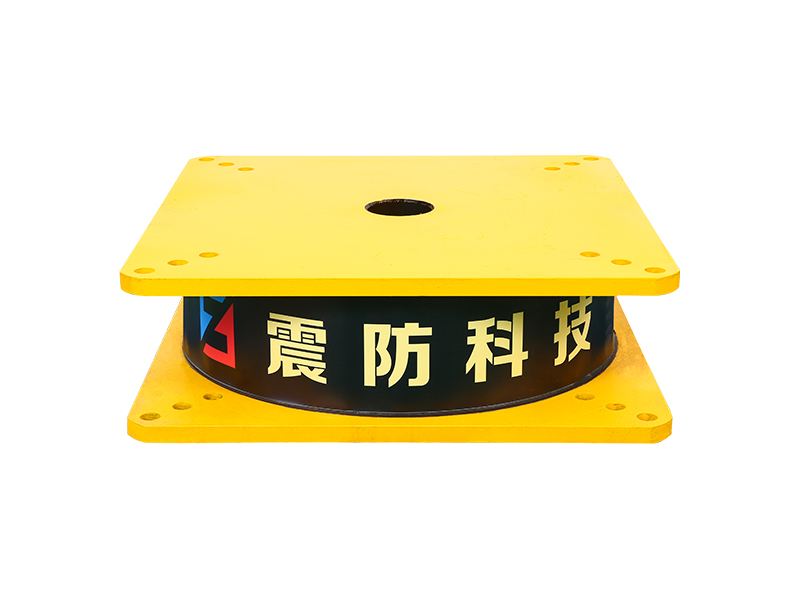
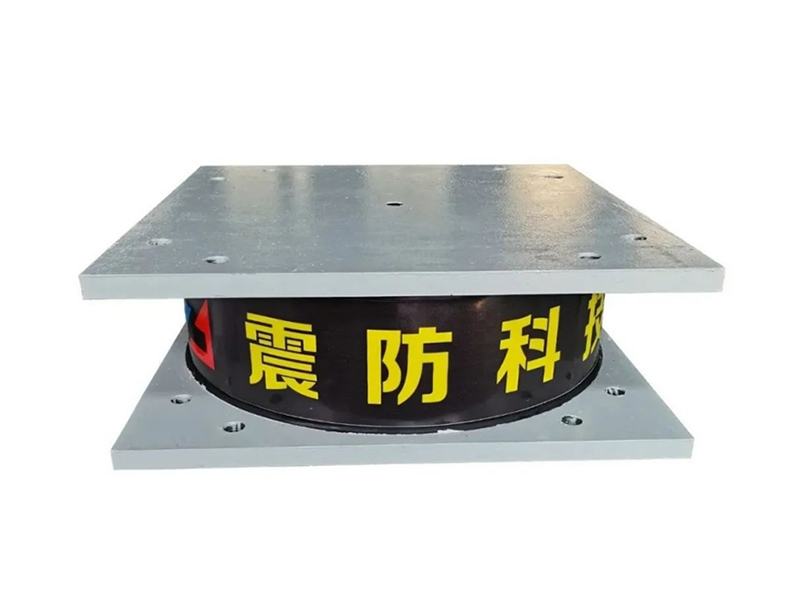
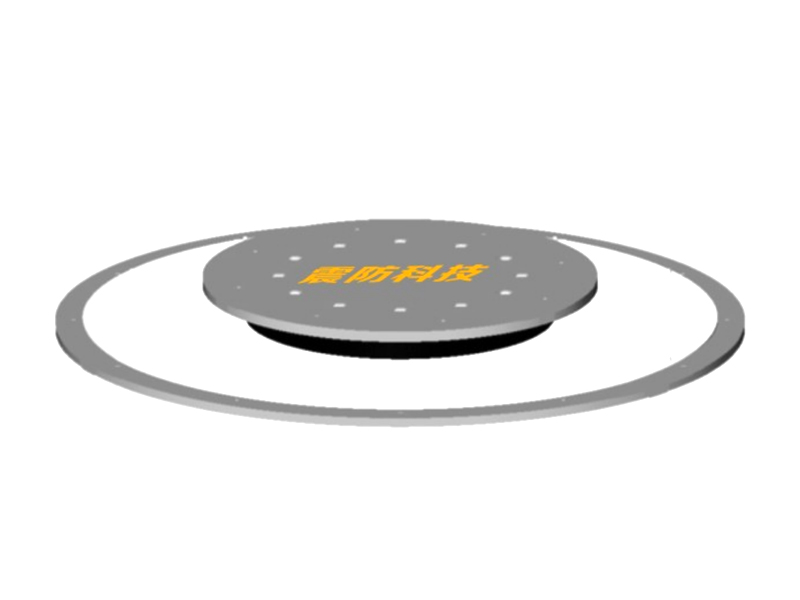
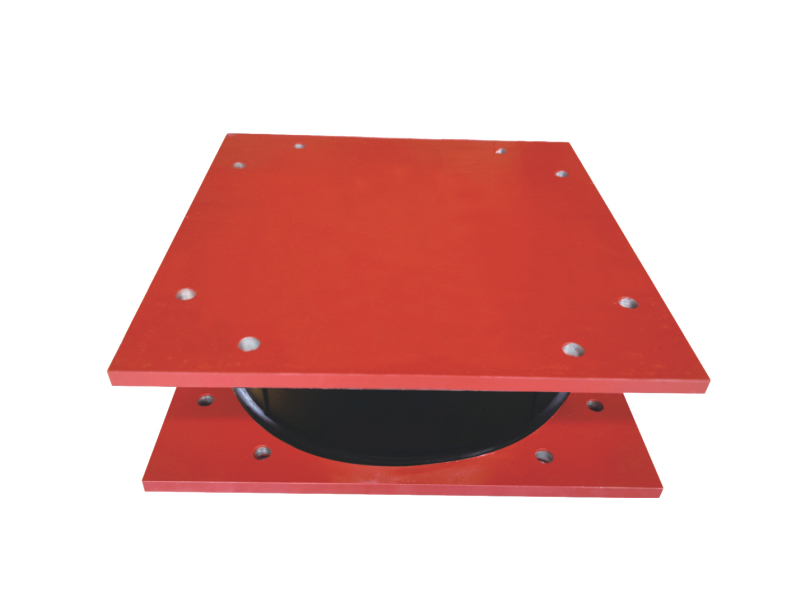
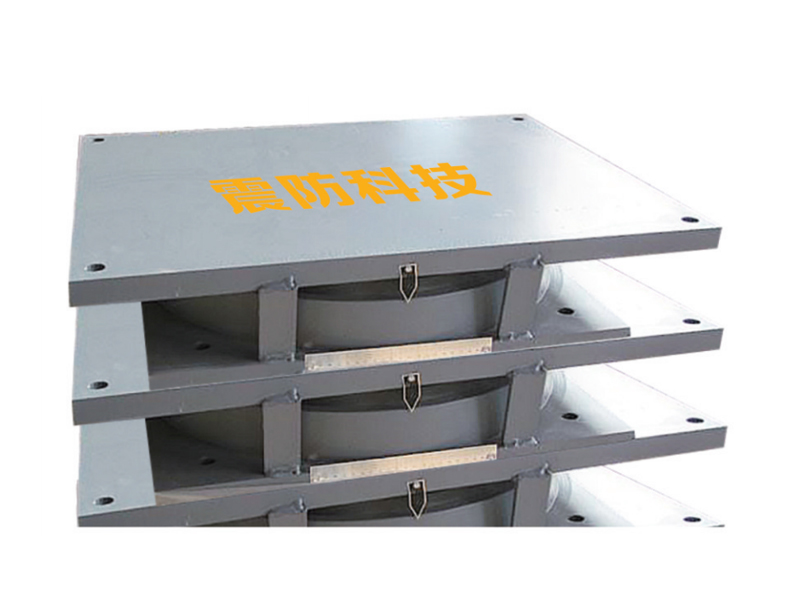
The design of the lead rubber bearing determines its efficiency. Each bearing consists of alternating rubber and steel plates, sandwiched in between. The rubber padding allows for lateral rotation and allows the bearing to move upwards when the ground vibrates. The steel plate is resistant to vertical bending and allows the concrete screw to support heavy loads without being too damaged. Lead cores perform different functions but are equally important. When the bearing undergoes rotation, the lead core deforms plastically and absorbs a large portion of the incident energy. This lack of energy leads to a decrease in the depth of the columns and cracks. In laboratory tests, the optimized lead rubber bearing exhibited stable performance under various cyclic loading, but did not maintain its frequency resistance. This characteristic is especially important in areas where aftershocks can follow large waves.
Field observations led to the belief that engineers would seriously invest in rubber bearings. Many of the products equipped with these isolators have actually experienced explosions without causing significant damage. In one recorded case, a building with lead rubber bearings at its base recorded ground accelerations that were significantly lower than those measured on a nearby solid foundation. The differences in responses were clearly influenced by local building codes. Over time, other design guidelines have incorporated provisions for lead rubber bearings as separators. Researchers have also examined the long-term stability of these products. In accelerated wear tests and studies on decommissioned bearings, lead rubber bearings have been shown to retain their mechanical properties for decades. The rubber coating resists oxidation and allows corrosion within acceptable limits, while the lead core retains its tensile strength.
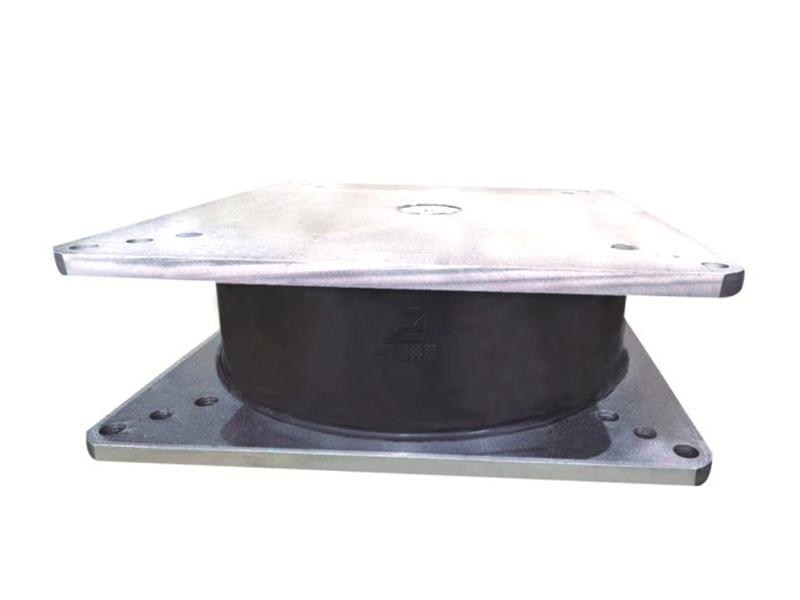
Economic considerations again support the use of lead rubber bearings. While the initial cost of adding an isolator to a project may seem large, the total cost is equal to or lower than a conventional seismic resistance system. Buildings with lead rubber bearings require less strength at the top, as seismic forces are reduced at the foundation. This displacement details subtrees, shrubs and connectivity. For many projects, the savings in building materials and construction labor can offset the cost of bearings on their own. In addition, a building protected by a lead rubber bearing system can continue to operate after an earthquake. This continuous performance advantage made the technology attractive to hospitals, data centers and emergency response centers. In such a situation, lead rubber bearings are not only a safety feature, but also an emergency response system.

The company has been adhering to the corporate tenet of "quality first, customer first", and sincerely welcomes domestic and foreign customers to visit and guide.
GET A QUOTE
Add: No. 359 Guangming West Road, Sanmen County, Taizhou City, Zhejiang Province, China
International Trade Manager: Madison
Tel/Whatsapp:+86-17857335842
Copyright © Zhejiang Earthquake Prevention Technology Co., Ltd. All Rights Reserved.
