

 English
 日本語
日本語 русский
 简体中文
简体中文
The company has been adhering to the corporate tenet of "quality first, customer first", and sincerely welcomes domestic and foreign customers to visit and guide.
GET A QUOTE
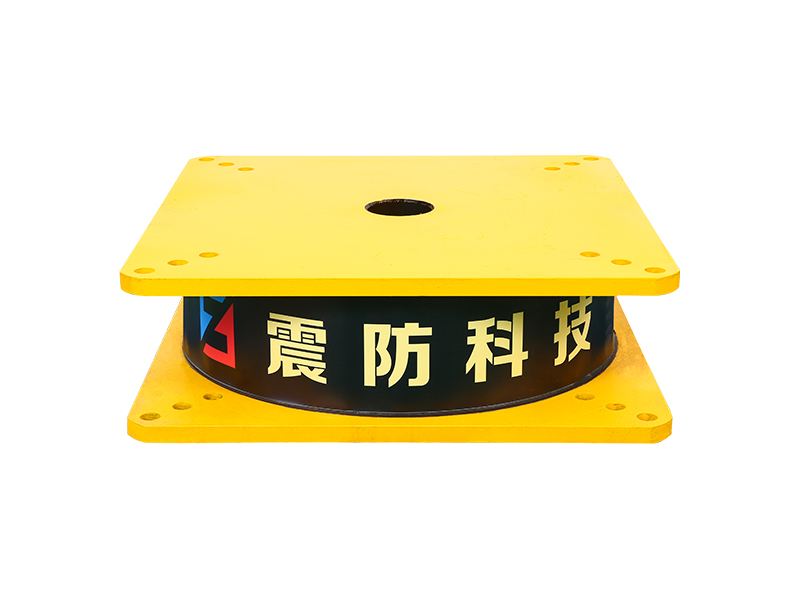
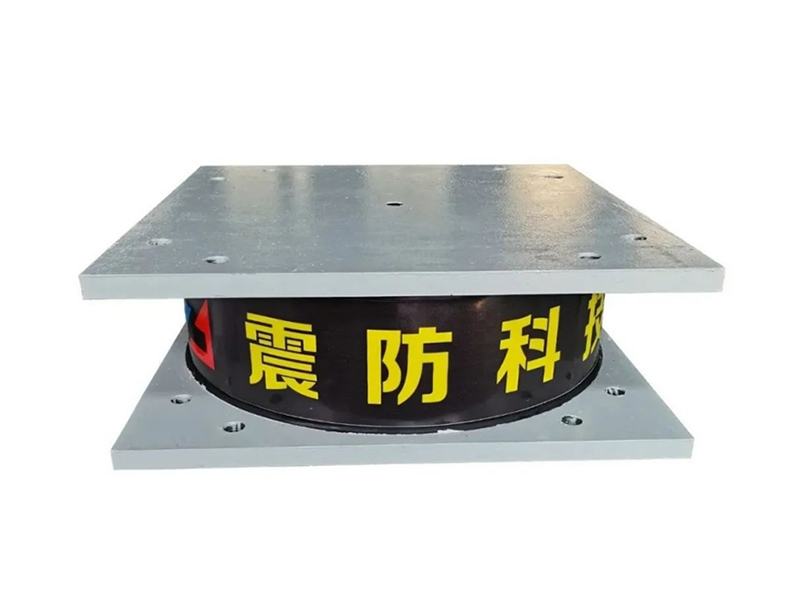
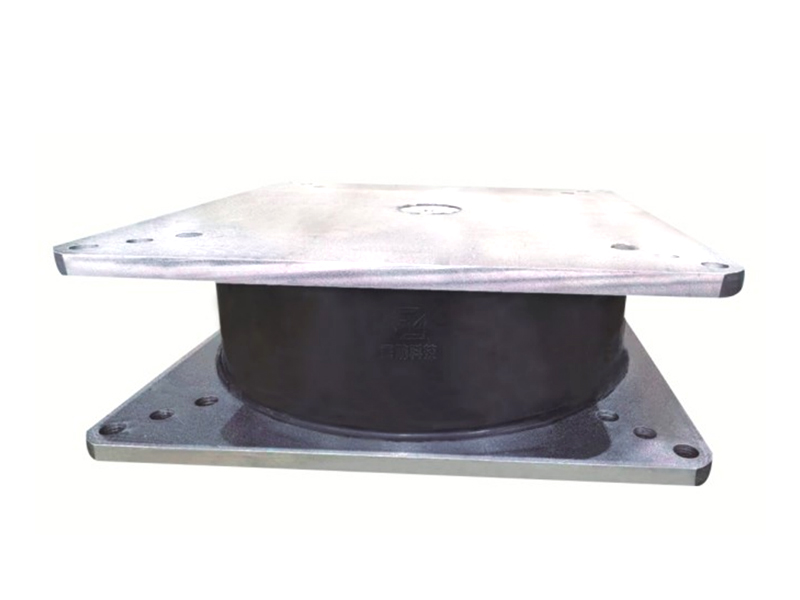
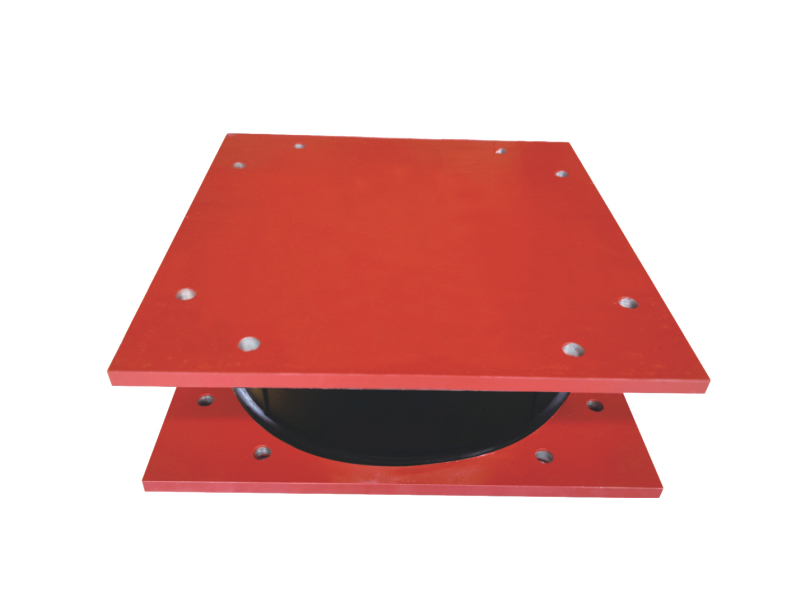
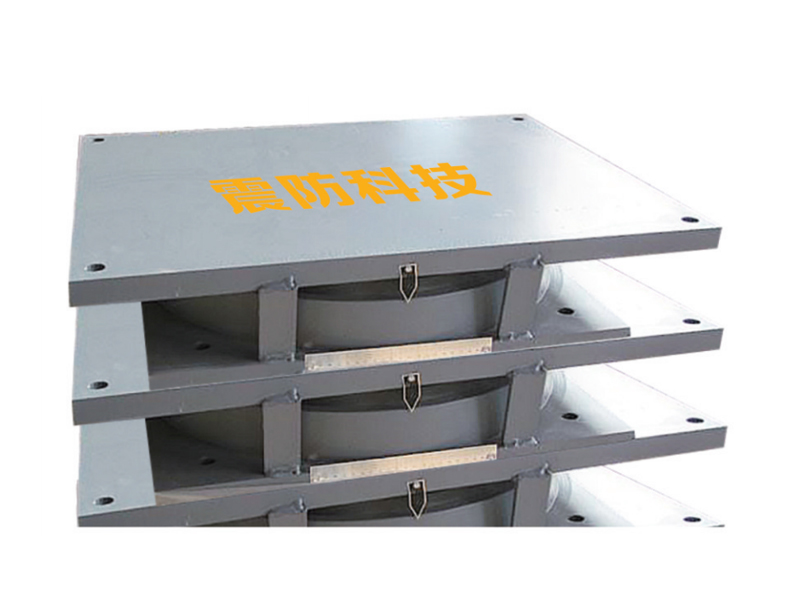
Lead rubber bearing is a seismic protection device used in bridges and buildings, designed to absorb earthquake energy and reduce the movement transferred to the structure above. These bearings sit between a column and the structure it supports, acting as a flexible cushion that allows controlled movement during ground shaking.
The construction of a lead rubber bearing is relatively simple but carefully engineered. Layers of natural rubber and thin steel plates are bonded together in an alternating stack, a process that creates a block capable of supporting heavy vertical loads while allowing horizontal movement. A lead plug inserted through the center of the rubber-steel assembly provides the energy-absorbing function. When the ground moves during an earthquake, the lead plug deforms plastically, converting seismic energy into heat.
The rubber layers in a lead rubber bearing provide flexibility. Under normal conditions, the bearing supports the weight of the bridge deck or building floor without significant movement. During a minor seismic event or strong wind, the rubber allows slight horizontal displacement before returning to its original position, similar to how a car suspension absorbs road bumps. This self-centering property means the structure returns to its original alignment after the shaking stops.
The lead plug serves as the primary energy dissipator. Lead has a property that allows it to deform without cracking or losing strength, a characteristic that makes it suitable for this application. As the bearing moves sideways during an earthquake, the lead plug is forced to stretch and compress repeatedly. Each cycle of movement absorbs energy, reducing the amount of shaking transmitted upward. After the earthquake, the lead plug retains its original shape and remains ready for future events.
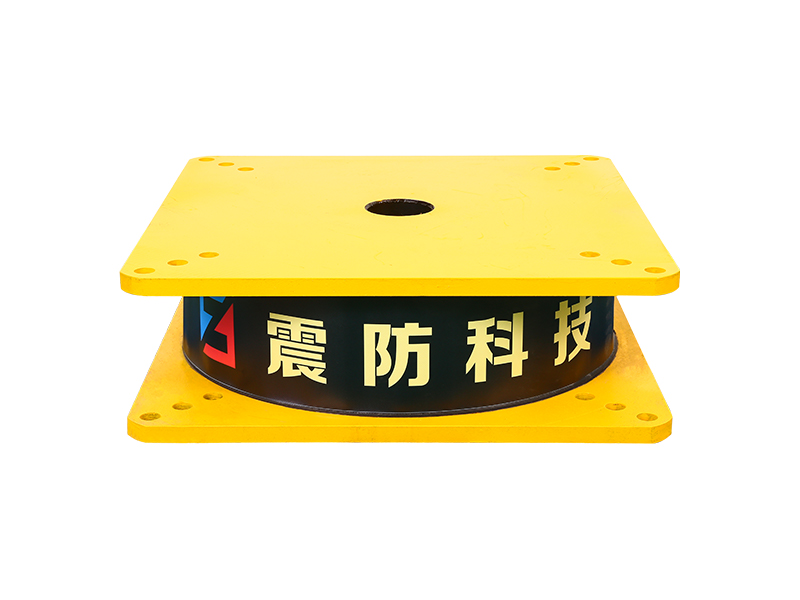
The steel shims inside a lead rubber bearing perform an important role. Rubber alone would bulge sideways under heavy weight, much like a thick eraser squeezed between fingers. The thin steel plates restrict this bulging, allowing the bearing to support vertical loads many times greater than rubber alone could handle. The steel also increases the bearing's resistance to overturning forces during strong shaking.
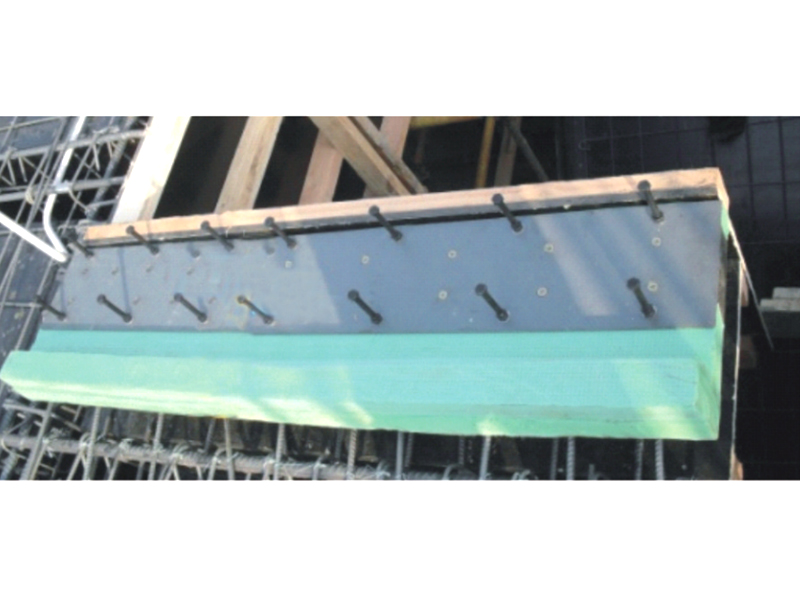
Installation of lead rubber bearings occurs during construction or retrofitting. For new bridges, bearings are placed at the top of each pier before the bridge deck is poured or placed. For existing structures, retrofitting involves lifting the structure slightly, removing old bearings or fixed supports, and inserting the lead rubber bearings in their place. This process requires careful planning and specialized equipment but can be completed without demolishing the structure.
The size of a lead rubber bearing depends on the load it must support and the expected ground motion. A bearing for a small road bridge might be a few hundred millimeters in diameter and support a few hundred tons. A bearing for a large building or major highway bridge could be more than a meter across and support thousands of tons. Engineers calculate the required size based on the weight of the structure, the soil conditions at the site, and the expected earthquake intensity.
For regions prone to earthquakes, the lead rubber bearing offers a practical method for protecting infrastructure. It requires no external power, no moving parts that need lubrication, and no maintenance beyond periodic inspection. When the ground shakes, the bearing does its job silently, absorbing energy that would otherwise damage columns, beams, and connections.

The company has been adhering to the corporate tenet of "quality first, customer first", and sincerely welcomes domestic and foreign customers to visit and guide.
GET A QUOTE
Add: No. 359 Guangming West Road, Sanmen County, Taizhou City, Zhejiang Province, China
International Trade Manager: Madison
Tel/Whatsapp:+86-17857335842
Copyright © Zhejiang Earthquake Prevention Technology Co., Ltd. All Rights Reserved.
