

 English
 日本語
日本語 русский
 简体中文
简体中文
The company has been adhering to the corporate tenet of "quality first, customer first", and sincerely welcomes domestic and foreign customers to visit and guide.
GET A QUOTE
The field of structural engineering continues to advance as designers seek methods to enhance building resilience against seismic forces. Among the technologies employed in modern construction is the building isolation rubber bearing, a component that allows structures to move independently from ground motion during earthquakes. The building isolation rubber bearing represents a significant approach to seismic protection, providing a layer of flexibility that reduces the transfer of forces from the ground to the structure above.
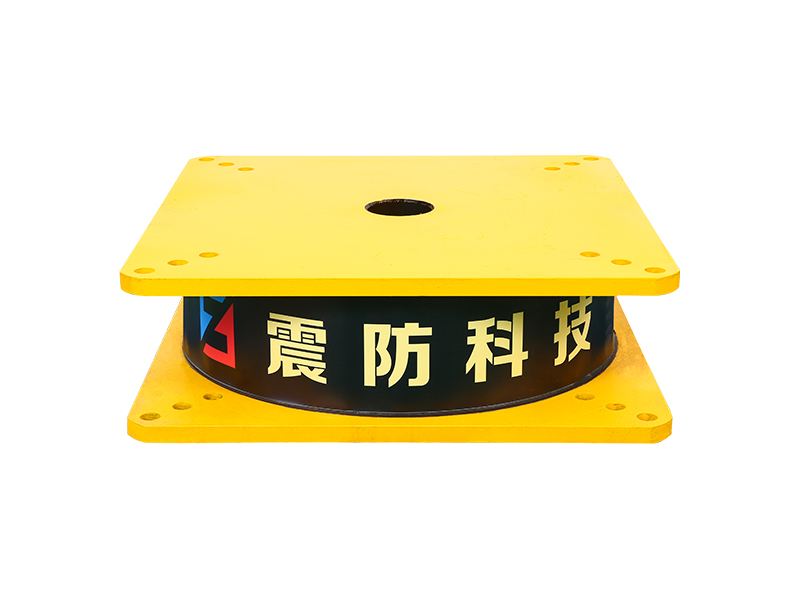
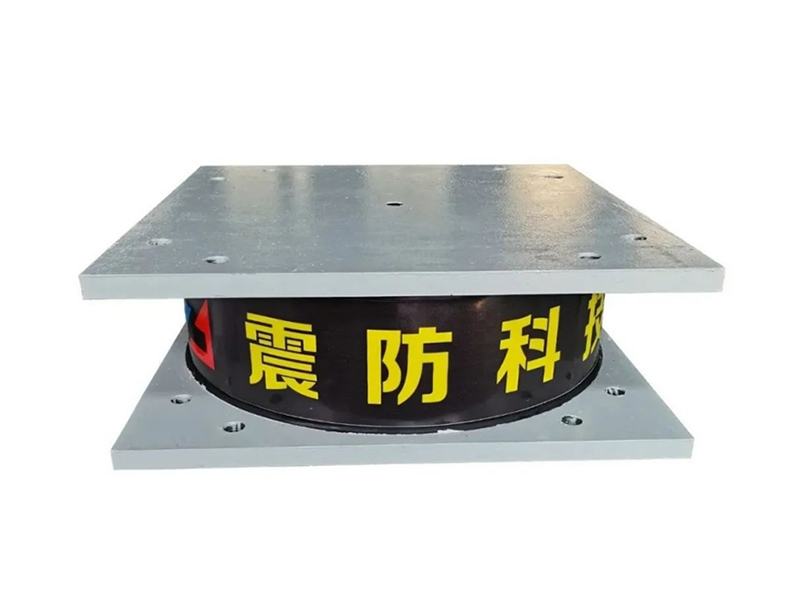
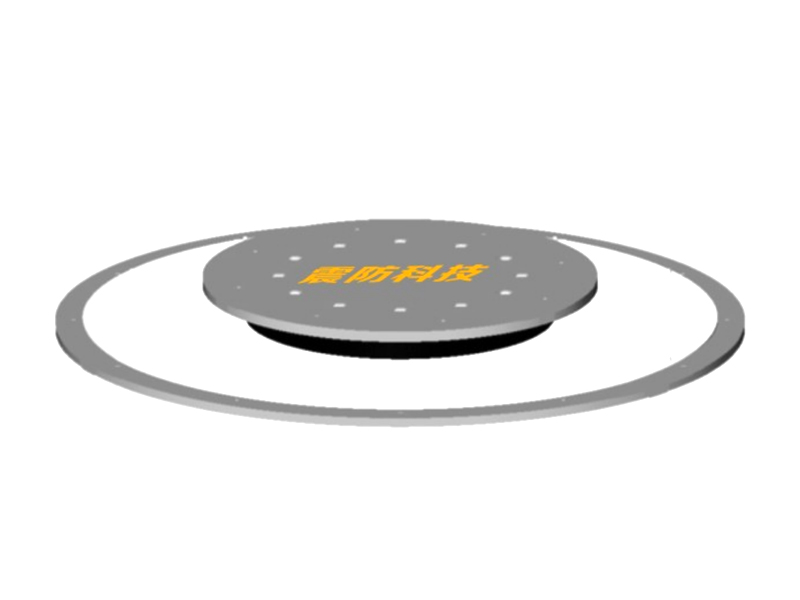
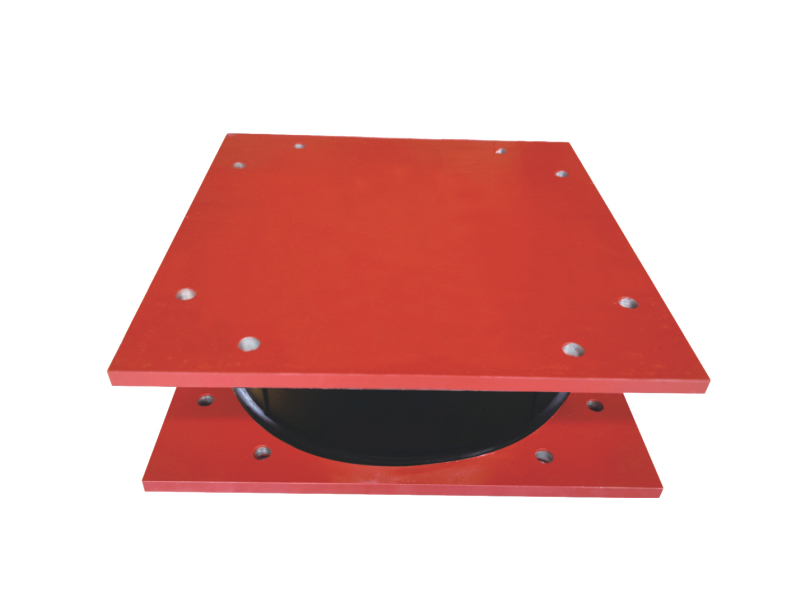
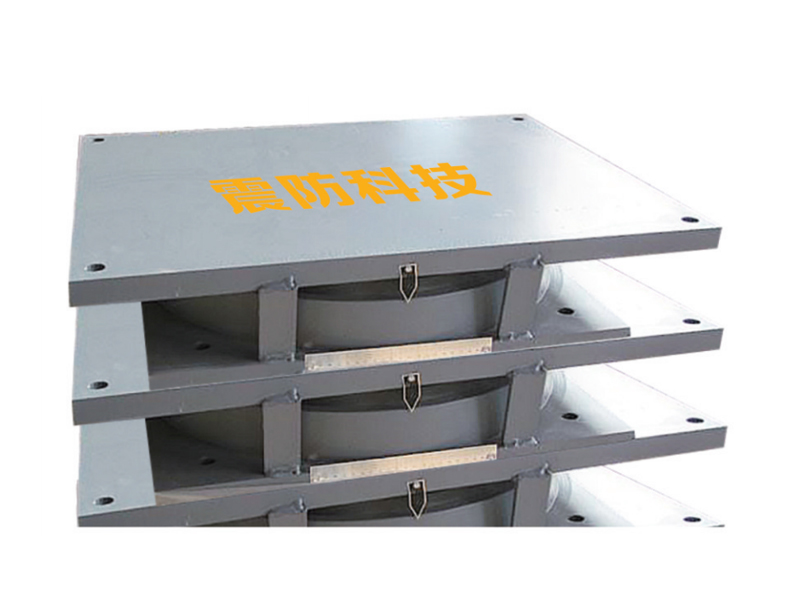
The fundamental principle behind a building isolation rubber bearing involves decoupling the building from its foundation. A building isolation rubber bearing consists of alternating layers of rubber and steel plates, bonded together to form a unit that can accommodate horizontal movement while supporting vertical loads. When ground motion occurs, the building isolation rubber bearing allows the structure to shift laterally, extending the period of vibration and reducing the accelerations transmitted upward. This mechanism helps protect the structural frame and non-structural components from damage that might otherwise occur during seismic events.
The construction of a building isolation rubber bearing requires precise engineering to achieve the desired performance characteristics. The rubber compounds used in a building isolation rubber bearing are formulated to provide specific stiffness and damping properties. The steel reinforcement within a building isolation rubber bearing ensures that the unit maintains its shape under vertical loads while remaining flexible enough to accommodate horizontal displacements. Quality control during manufacturing of the building isolation rubber bearing includes testing to verify that each unit meets the specified performance parameters.
Applications of building isolation rubber bearing technology extend across various structure types. Hospitals, emergency response facilities, and critical infrastructure projects frequently incorporate building isolation rubber bearing systems to maintain functionality after seismic events. Cultural heritage structures and buildings housing sensitive equipment also benefit from the protection that a building isolation rubber bearing provides. The adoption of building isolation rubber bearing systems reflects the growing recognition that preserving operational capacity after earthquakes is as important as preventing structural collapse.
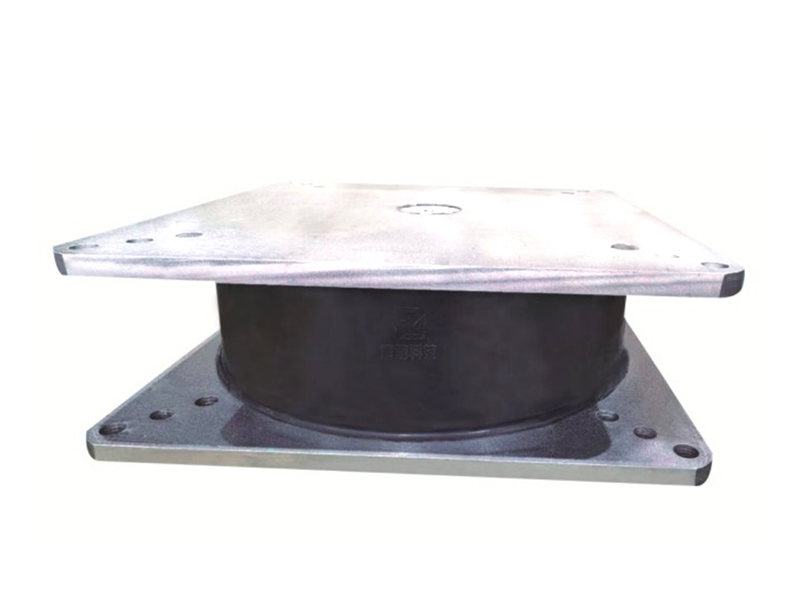
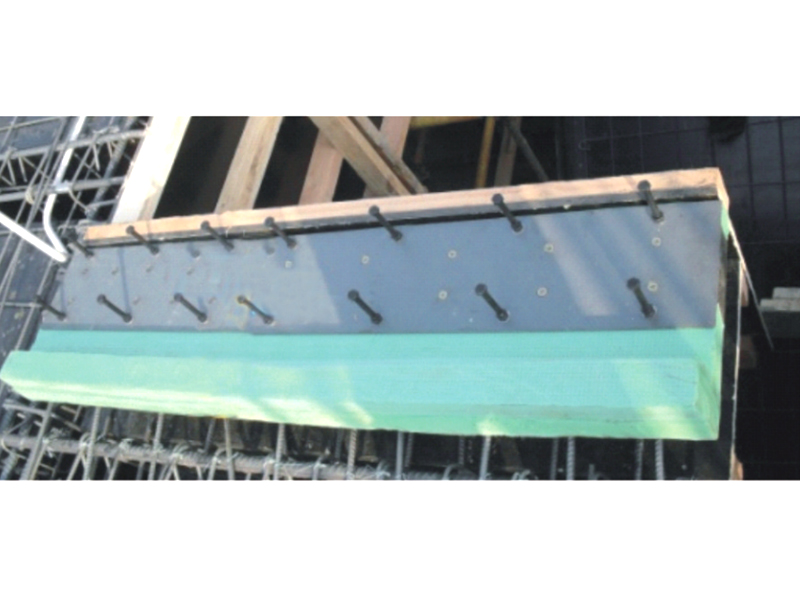
Installation of building isolation rubber bearing units requires coordination between structural engineers, contractors, and specialized installers. The building isolation rubber bearing is typically placed between the foundation and the superstructure, with provisions for movement incorporated into utility connections and access points. Proper installation of the building isolation rubber bearing ensures that the system performs as designed during a seismic event. Post-installation verification procedures confirm that the building isolation rubber bearing units are positioned correctly and that movement paths are clear.
The maintenance considerations for building isolation rubber bearing systems differ from those of conventional structural connections. Regular inspections of building isolation rubber bearing units check for signs of aging, deformation, or contamination that could affect performance. The rubber components in a building isolation rubber bearing are formulated to resist environmental degradation, with service lives designed to match the intended lifespan of the structure. Facilities with building isolation rubber bearing systems typically maintain documentation of inspection results and any observations related to system condition.
The building isolation rubber bearing market is expected to maintain steady demand as construction practices increasingly incorporate seismic protection measures. The demonstrated effectiveness of building isolation rubber bearing systems in past earthquakes supports continued adoption in regions with seismic risk. For structural engineers and building owners seeking to enhance earthquake resilience, the building isolation rubber bearing offers a proven approach to managing seismic forces while maintaining design flexibility.

The company has been adhering to the corporate tenet of "quality first, customer first", and sincerely welcomes domestic and foreign customers to visit and guide.
GET A QUOTE
Add: No. 359 Guangming West Road, Sanmen County, Taizhou City, Zhejiang Province, China
International Trade Manager: Madison
Tel/Whatsapp:+86-17857335842
Copyright © Zhejiang Earthquake Prevention Technology Co., Ltd. All Rights Reserved.
