

 English
 日本語
日本語 русский
 简体中文
简体中文
The company has been adhering to the corporate tenet of "quality first, customer first", and sincerely welcomes domestic and foreign customers to visit and guide.
GET A QUOTE
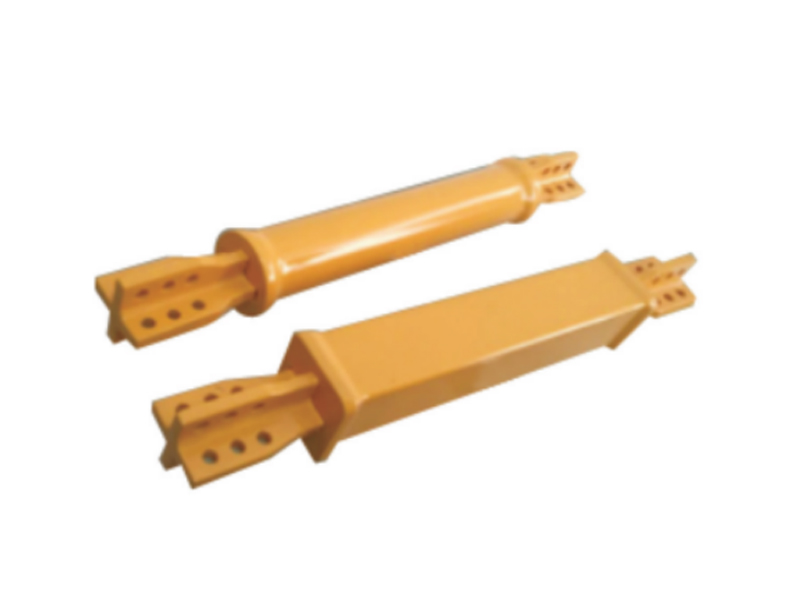
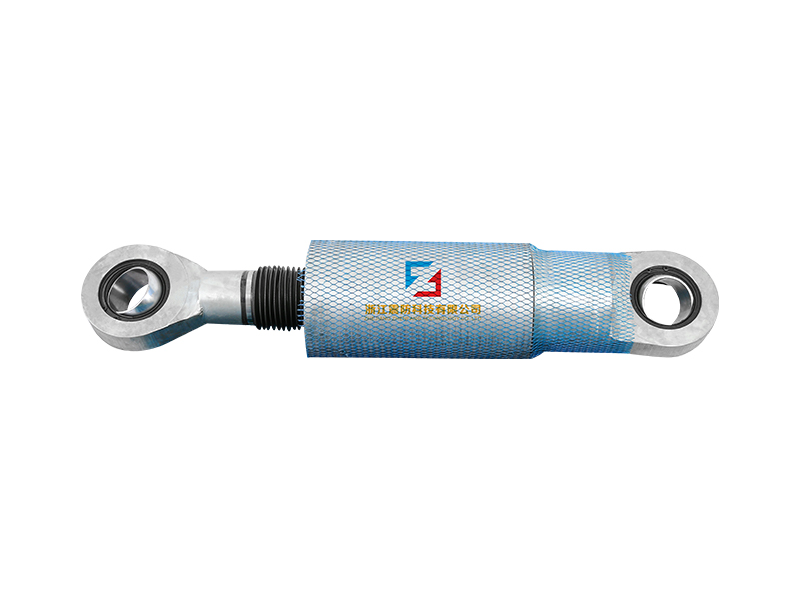
Seismic protection is increasingly shifting from simply strengthening structural members toward controlling how earthquake energy moves through a building. In this approach, the Metal Damper acts as a dedicated energy-dissipation component, allowing selected parts of the system to undergo controlled deformation before significant inelastic response develops in the main structure. Recent research continues to examine metallic yielding dampers because their energy dissipation mechanism is based on the plastic deformation of metal and can be incorporated into both new construction and seismic retrofit projects.
A conventional structural member is generally expected to retain its primary load-bearing function during an earthquake. A Metal Damper introduces a different design philosophy by providing a component specifically intended to dissipate seismic energy through deformation.
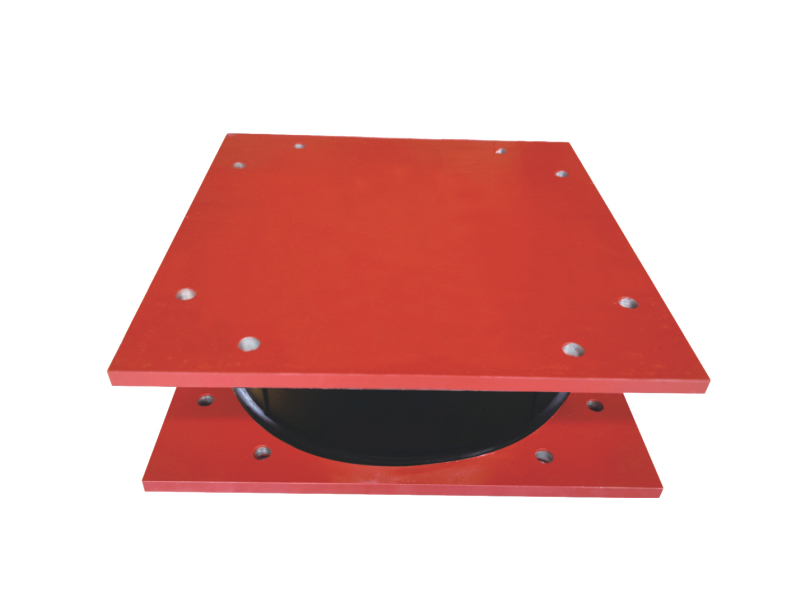
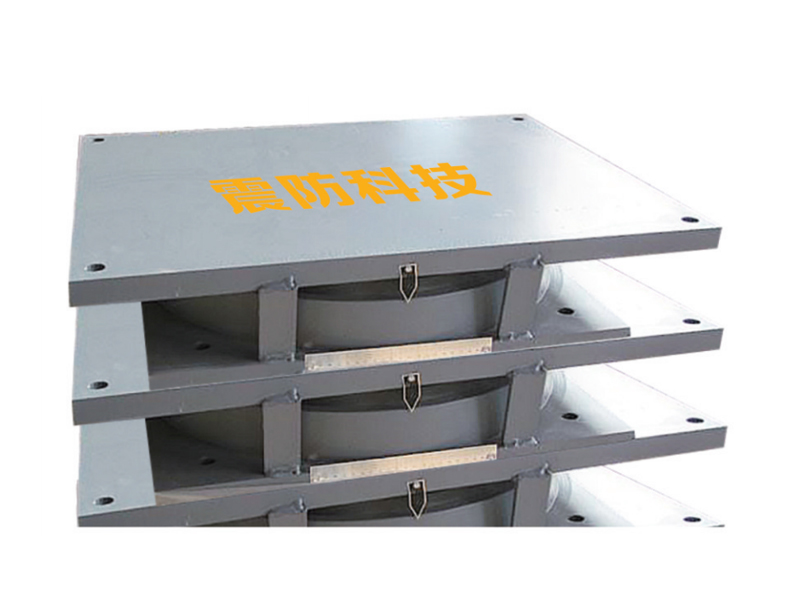
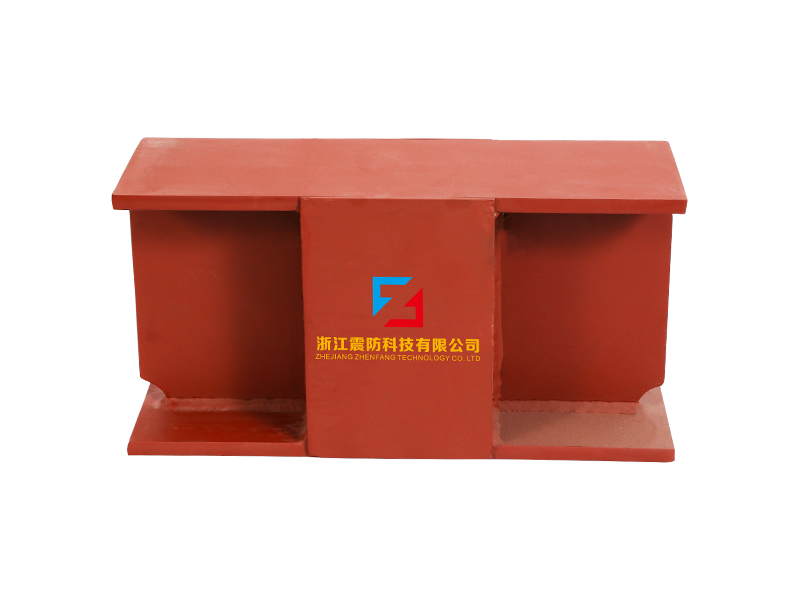
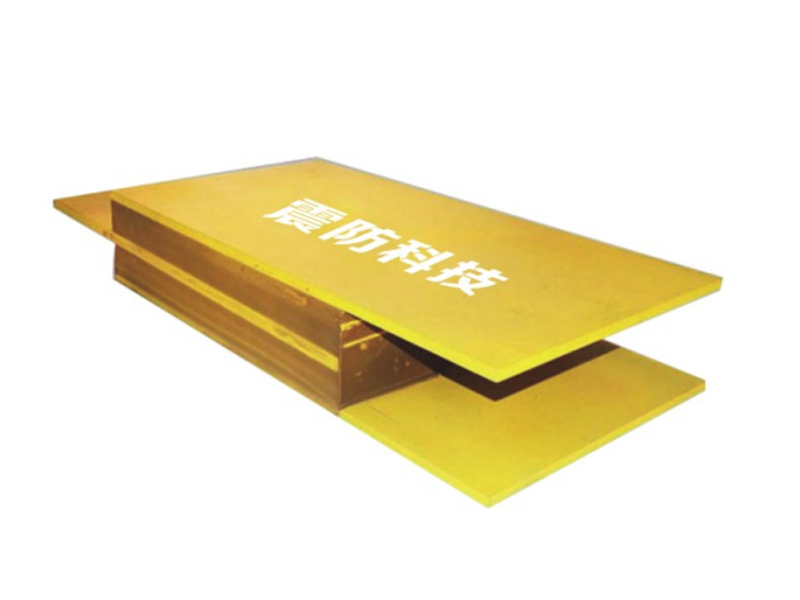
The product design described by Zhejiang Earthquake Prevention Technology uses mild steel as the shear plate. Its relatively low yield strength and ductility allow the damping element to enter the yielding stage earlier than the main structural components. As earthquake movement produces shear deformation in the energy-dissipation plate, part of the input energy can be dispersed through cumulative plastic deformation.
This principle is consistent with the wider development of hysteretic damping technology. Research has shown that metallic dampers dissipate energy through repeated inelastic deformation, producing characteristic hysteresis loops under cyclic loading. The area enclosed by these loops represents energy dissipated during the loading cycles.
The geometry of the energy-dissipation element has a direct influence on how a Metal Damper responds to earthquake movement. Instead of relying primarily on the deformation of beams, columns, or walls, a shear damper concentrates deformation in a designated steel plate.
This makes the relationship between plate geometry, material properties, stiffness, yield behavior, and allowable displacement important during structural design. Research on steel hysteretic dampers has also examined different plate geometries because shape can influence ductility and energy dissipation characteristics under cyclic loading.
For structural engineers, this means damper design cannot be separated from the behavior of the surrounding frame. The damping element needs to enter its intended deformation range while the connected structural members provide the necessary load path.
One notable application area is seismic reinforcement of existing buildings. The product information identifies metal dampers as suitable for strengthening existing structures as well as repairing and reinforcing earthquake-damaged buildings. They can also be incorporated into new construction.
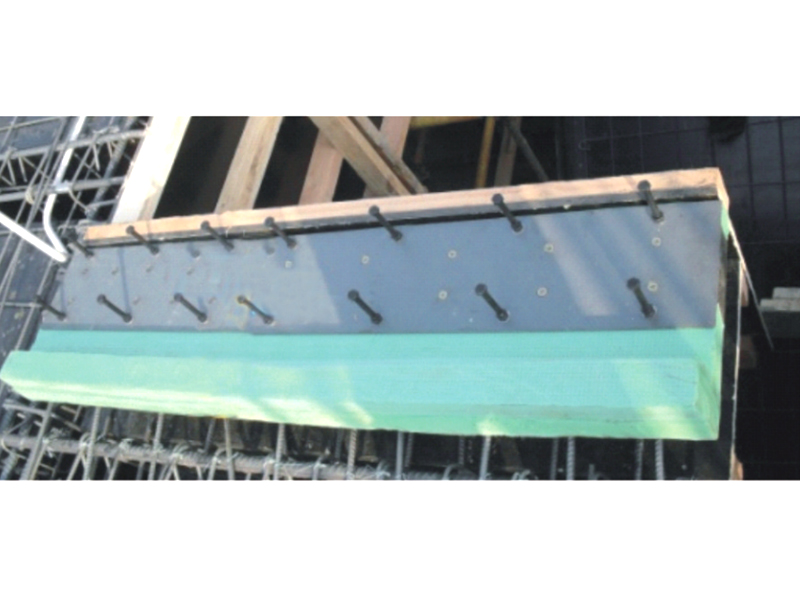
For retrofit projects, this is significant because the design objective is often to improve seismic behavior without completely rebuilding the existing structural system. A Metal Damper can be connected to embedded components associated with beams, walls, or other primary structural members, creating an additional energy-dissipation path.
The same concept can be applied to new buildings, where dampers may be considered during the initial structural layout rather than introduced later as a retrofit measure. Studies have investigated metallic dampers in steel frames and reinforced concrete structures, including applications intended to reduce interstory drift and structural response during earthquake loading.

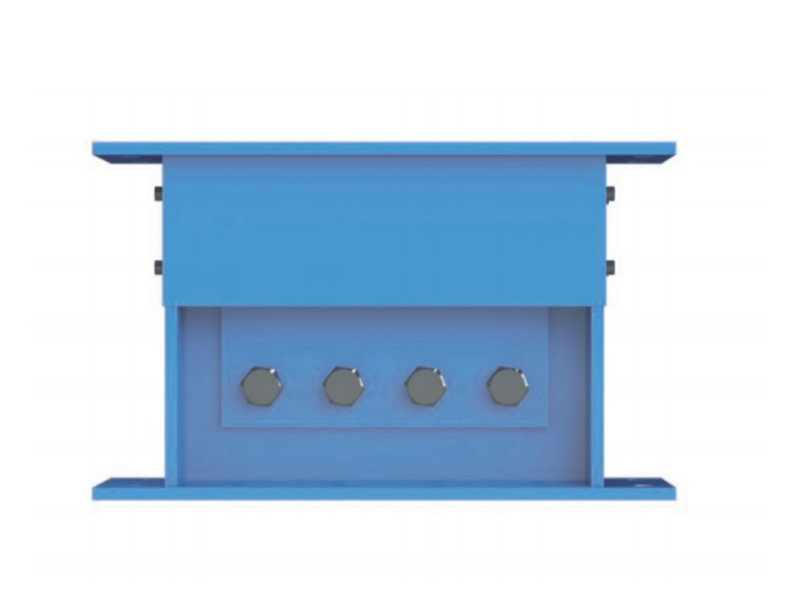
A damper's performance depends not only on its steel energy-dissipation element but also on how forces are transferred into the surrounding structure. The described shear damper uses connecting plates attached to embedded components in major structural elements. Its installation sequence is arranged around the requirement that the damper itself does not carry vertical force.
This makes connection design an important part of specifying a Metal Damper. Engineers may need to consider the location of embedded parts, available installation space, connection geometry, expected deformation, and construction sequence together.
For retrofit work, these considerations can be particularly relevant because existing beams, walls, and other structural components may impose limitations on where a damping device can be introduced.
Mild steel remains widely used in metallic hysteretic damping because ductility is central to the operating mechanism. The material must accommodate repeated deformation without premature fracture while maintaining a predictable force-displacement response. Current research is also examining low-yield-strength steels and other materials as researchers seek greater control over yielding behavior, fatigue, and deformation capacity.
The material used in the referenced Metal Damper is mild steel, selected for its low yield strength and good ductility. The product information also identifies large lateral stiffness, high ductility ratio, and high material utilization as design characteristics.
These characteristics illustrate why material selection cannot be considered independently from geometry. The steel grade, plate dimensions, connection arrangement, and expected deformation all contribute to the final damping behavior.
Metallic dampers are now being studied beyond the basic concept of yielding steel. Recent research has explored adaptive hysteretic behavior, multiphase energy dissipation, advanced numerical models, and materials intended to improve performance under different earthquake intensities.
For B2B structural engineering projects, this development places greater emphasis on matching damper characteristics with the performance objectives of the building. Rather than treating a Metal Damper as an isolated accessory, engineers increasingly evaluate its deformation capacity, stiffness, energy dissipation mechanism, connection arrangement, and interaction with the primary structure as one system.
The direction of development is therefore less about adding another component to a building and more about deliberately assigning seismic energy to a controlled structural element. That approach continues to make metallic damping technology relevant to both new seismic design and the upgrading of existing structures.

The company has been adhering to the corporate tenet of "quality first, customer first", and sincerely welcomes domestic and foreign customers to visit and guide.
GET A QUOTE
Add: No. 359 Guangming West Road, Sanmen County, Taizhou City, Zhejiang Province, China
International Trade Manager: Madison
Tel/Whatsapp:+86-17857335842
Copyright © Zhejiang Earthquake Prevention Technology Co., Ltd. All Rights Reserved.
