

 English
 日本語
日本語 русский
 简体中文
简体中文
The company has been adhering to the corporate tenet of "quality first, customer first", and sincerely welcomes domestic and foreign customers to visit and guide.
GET A QUOTE
The engineering trick behind a building isolation rubber bearing is asking one component to do two contradictory things at once — stay soft enough sideways to let a building shift during an earthquake, while staying stiff enough vertically to hold that same building up under its own weight. Getting both properties out of a single device comes down to how the internal layers are built, not the rubber compound alone.
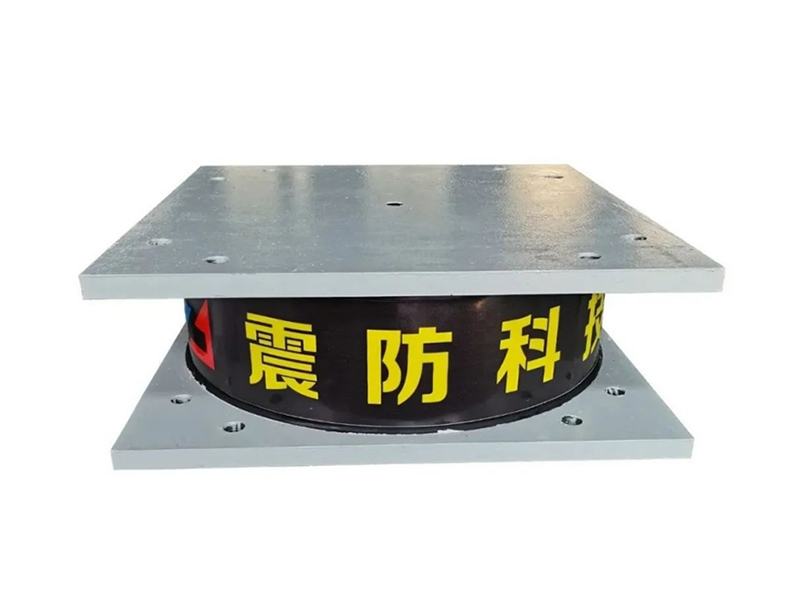
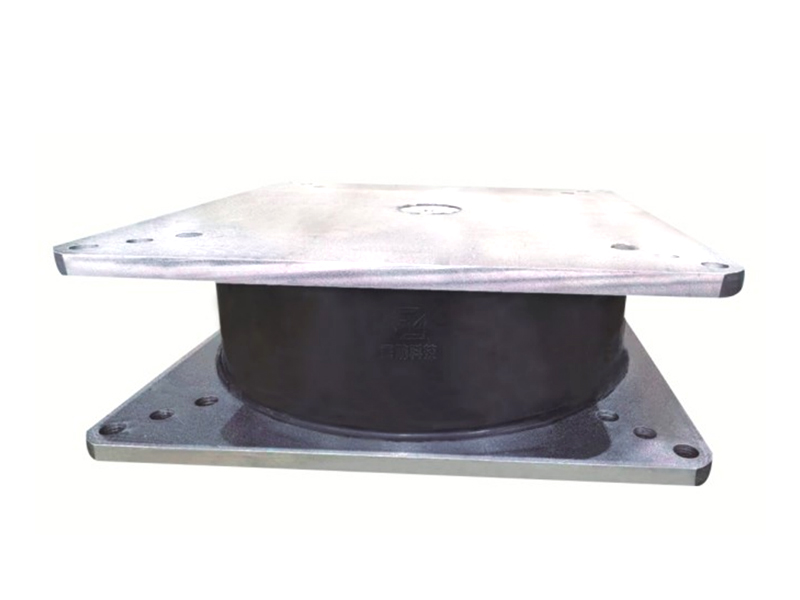
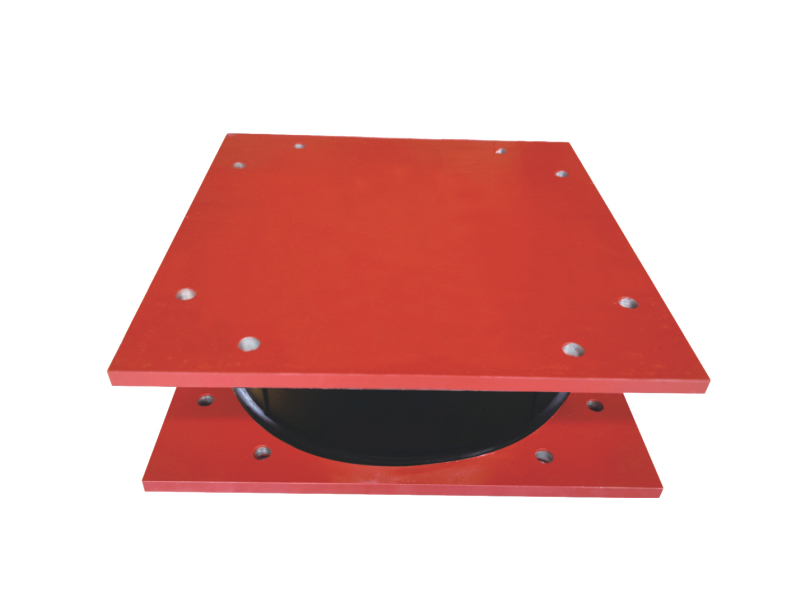
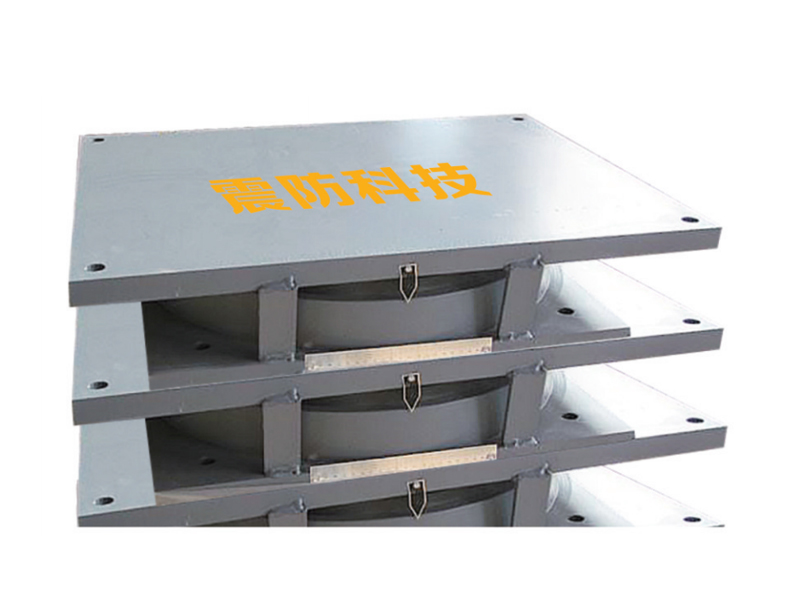
A solid block of rubber thick enough to support a building's weight would also be far too stiff to allow meaningful horizontal movement during seismic shaking. A building isolation rubber bearing solves this by alternating thin rubber layers with steel plates through the height of the device, a laminated structure that confines each rubber layer between rigid plates. This confinement lets the bearing carry substantial vertical load through the steel-rubber stack while the thin individual rubber layers still allow the overall device to shear sideways under horizontal seismic force.
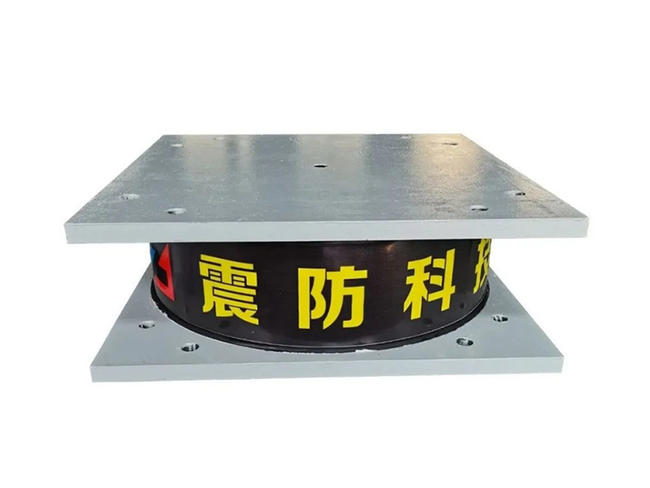
The number and thickness of the internal steel plates in a building isolation rubber bearing directly set the ratio between vertical stiffness and horizontal flexibility, which is why bearing designs vary by diameter and layer count rather than following one fixed specification. Manufacturing tolerances on plate flatness and rubber layer thickness matter more here than they might in other rubber components, since even small inconsistencies across layers can create uneven load distribution once the bearing is under a building's full weight.
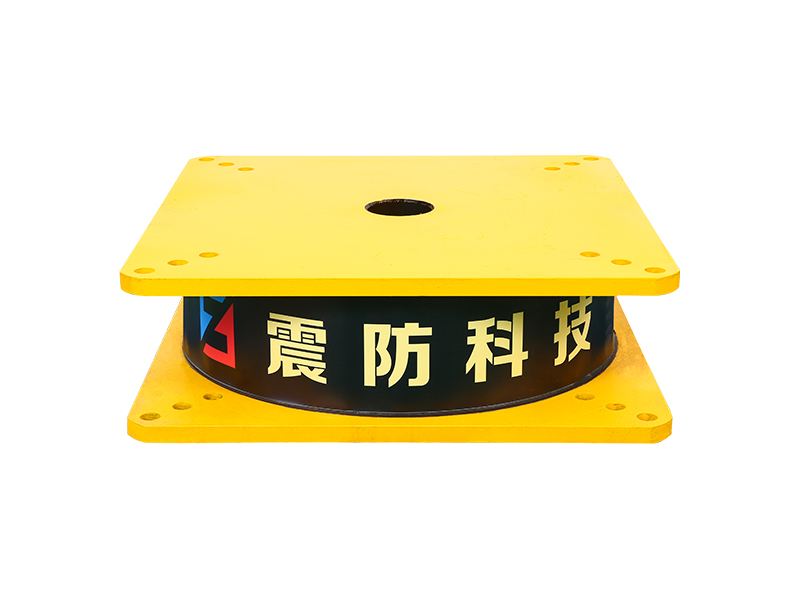
Some bearings in this category add a core through the center of the laminated stack, producing what is generally classified as a lead-rubber variant alongside the plain laminated version. The core deforms plastically under horizontal motion, absorbing energy in a way the rubber layers alone do not, which changes the damping characteristics without changing the basic layered construction that makes a building isolation rubber bearing structurally viable in the place. Buyers typically choose between the two based on how much energy dissipation a given structural design calls for.
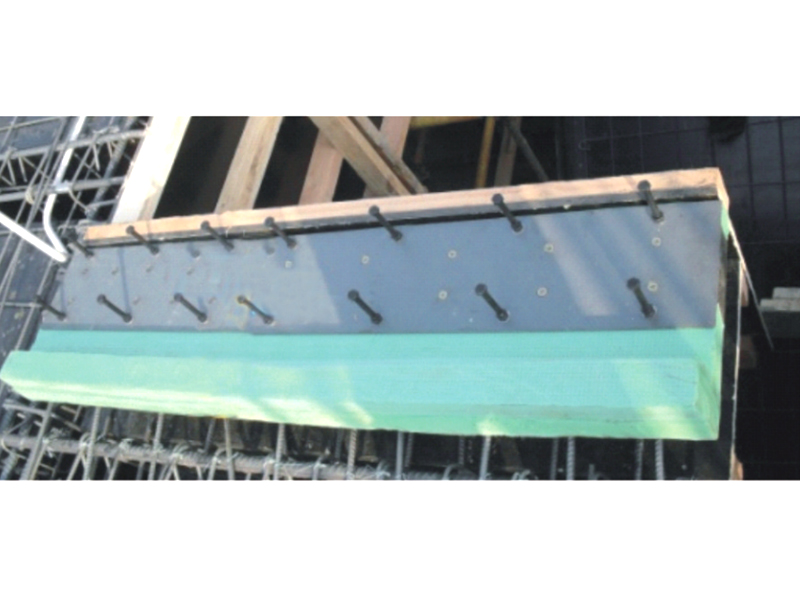
Even a well-manufactured building isolation rubber bearing depends on precise placement to perform as designed. Pre-embedded connection parts are positioned in the pier structure before concrete is poured, and their elevation, center position, and flatness are typically rechecked at multiple stages — before pouring, immediately after, and again before the bearing itself is installed once the concrete reaches sufficient strength. A bearing installed slightly out of position does not fail outright, but it can shift how evenly load transfers between the structure and its foundation.
Laminated rubber bearings of this kind are used across high-rise buildings, hospitals, schools, and other structures where reducing seismic force transmitted into the superstructure is a design priority rather than an afterthought. Because a properly installed building isolation rubber bearing is typically rated for a service life measured in decades rather than years, specification tends to happen early in structural design rather than as a retrofit consideration, though retrofit applications do exist for older structures being upgraded to current seismic standards.
For structural engineers and project developers, useful comparison points include diameter and layer count relative to the building's load and seismic design requirements, whether a core is needed for additional damping, documented service life and durability testing, and installation tolerance requirements relative to the project's construction schedule. Buyers comparing suppliers across multiple projects can also look at how consistently a manufacturer's layered construction holds tolerance across different bearing diameters, since a building isolation rubber bearing sized for a low-rise structure and one sized for a high-rise tower rely on the same layering principle but very different plate counts to get there. Zhejiang Earthquake Prevention Technology Co., Ltd., based in Sanmen County, Zhejiang, and supported by a technical team connected to national seismic research institutions, produces both plain laminated and lead-core variants across a diameter range suited to different building scales.

The company has been adhering to the corporate tenet of "quality first, customer first", and sincerely welcomes domestic and foreign customers to visit and guide.
GET A QUOTE
Add: No. 359 Guangming West Road, Sanmen County, Taizhou City, Zhejiang Province, China
International Trade Manager: Madison
Tel/Whatsapp:+86-17857335842
Copyright © Zhejiang Earthquake Prevention Technology Co., Ltd. All Rights Reserved.
