

 English
 日本語
 русский
 简体中文

The company has been adhering to the corporate tenet of "quality first, customer first", and sincerely welcomes domestic and foreign customers to visit and guide.
GET A QUOTE
When the ground shakes, the force a building feels depends heavily on how quickly the building itself sways. A stiff building rocks back and forth fast and takes the full jolt. A building set on soft supports swings slowly, and much of the ground motion passes beneath it without being passed upward. The Natural Rubber Isolation Bearing creates that slow swing. Zhejiang Earthquake Prevention Technology Co., Ltd., based in Sanmen, Taizhou, offers LNR-I and LNR-II rubber bearings among its seismic isolation products, and holds an LNR certificate for them.
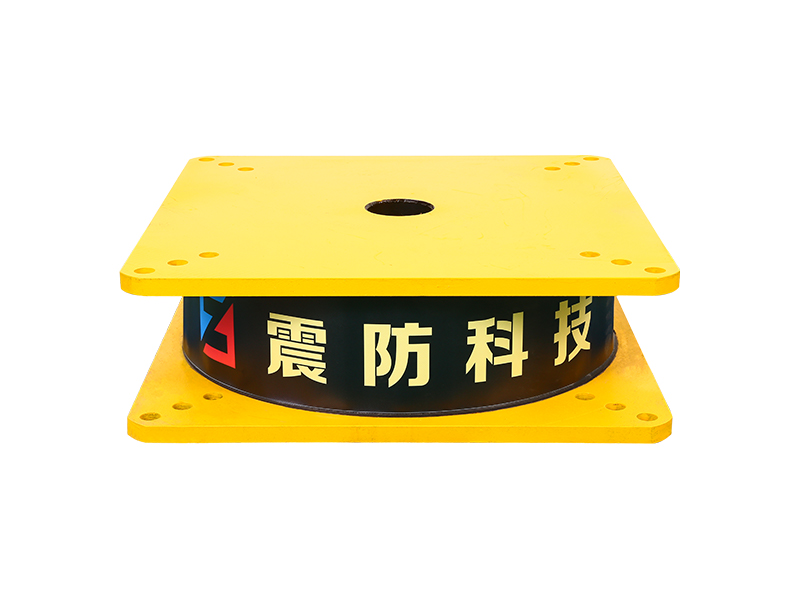
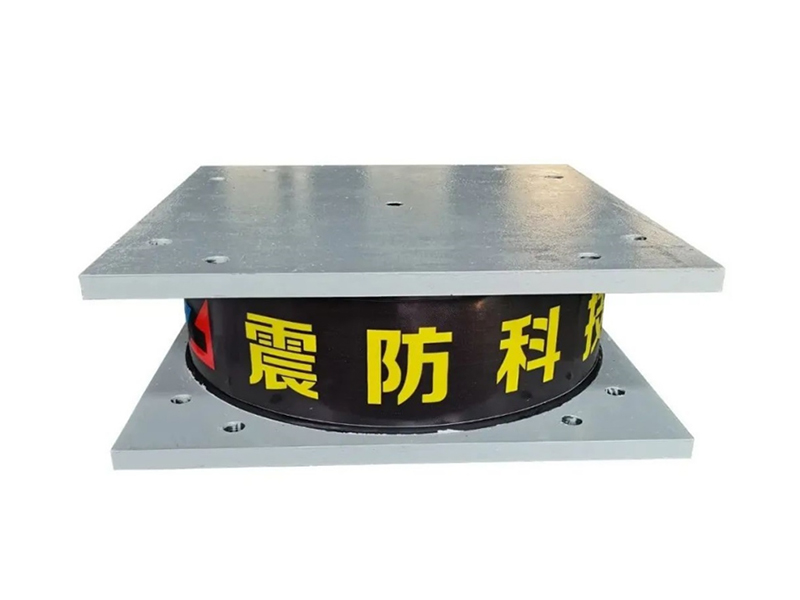
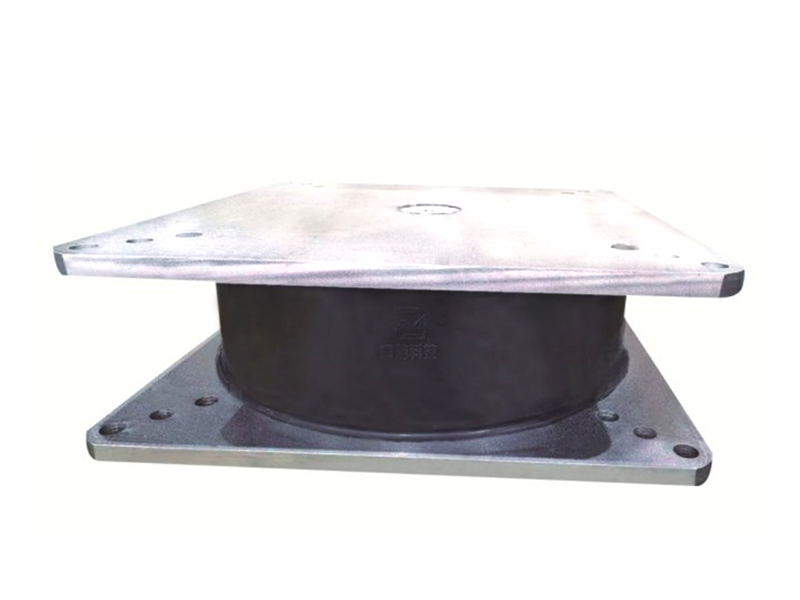
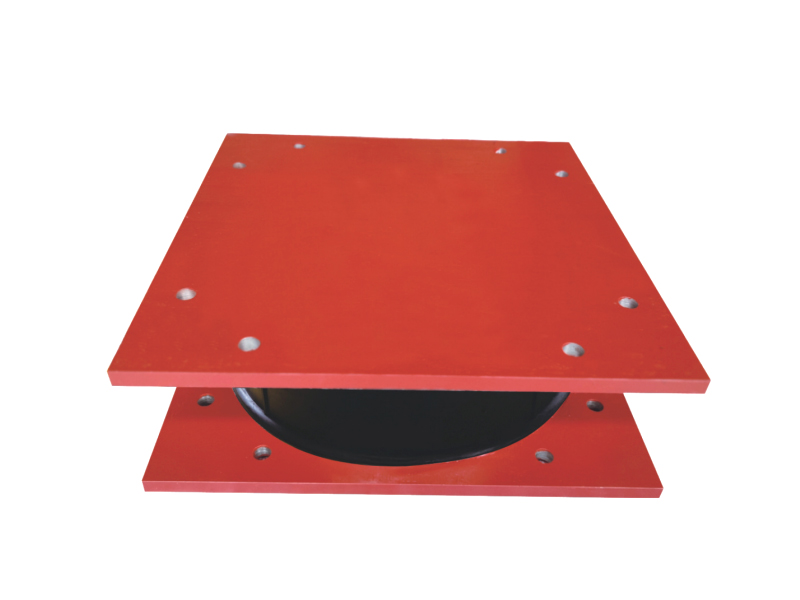
A Natural Rubber Isolation Bearing is built in layers. Sheets of rubber alternate with thin steel plates, and the stack is bonded together by vulcanisation. Each material does a different job. The rubber gives way sideways, which lets the building move slowly in a quake. The steel plates restrain the rubber from bulging under weight, so the bearing stays stiff in the vertical direction and carries the load of the building without sinking.
That split is the reason for the construction of every Natural Rubber Isolation Bearing. A solid block of rubber would squash under a heavy structure, and a steel block would not move at all. The layered form carries weight down and yields to movement sideways.
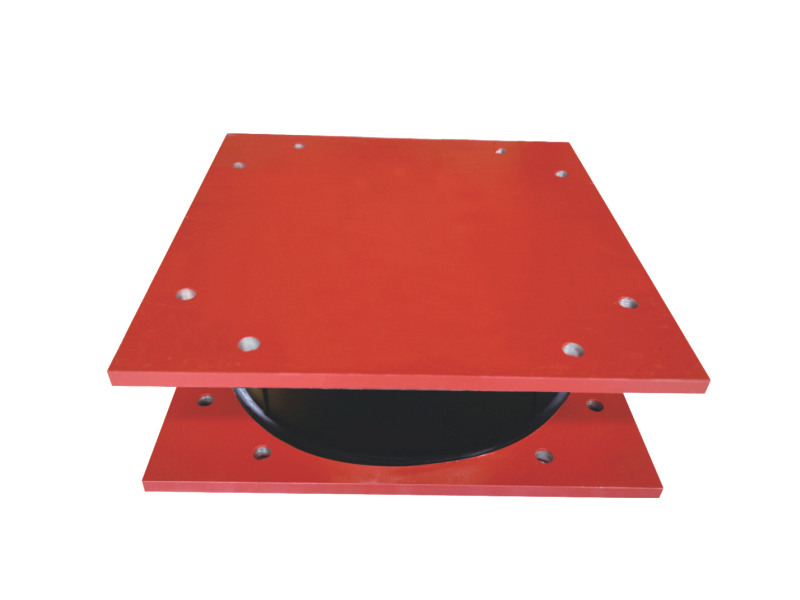
Natural rubber is elastic over a wide range of movement and returns to its shape after repeated deformation. In a bearing that may sit under a building for decades and meet just a few earthquakes, that behaviour is the point: the bearing must keep its stiffness for years and then perform in minutes. The rubber on the outside of the stack is also compounded to resist weather and ozone, since the outer layer protects the inner layers and steel plates.
Because the bearing has no core, its response is smooth, and the Natural Rubber Isolation Bearing returns toward centre after movement, a useful property for buildings that must settle back once the shaking stops.
The weakness of a plain rubber bearing is its low damping. It lengthens the swing period well, yet it does little by itself to dissipate energy, so the building may sway farther than a designer wants. Engineers solve this by pairing the bearing with something that absorbs energy.
The product range of Zhejiang Earthquake Prevention shows how the pieces fit together. Lead Rubber Bearings in LRB-I and LRB-II versions add a core that dissipates energy; High Damping Rubber bearings do the same through the rubber itself, and Elastic Sliding Bearings and viscoelastic dampers add further options. A project can use a Natural Rubber Isolation Bearing as the soft, load-carrying support and place energy-absorbing devices beside it. Each takes its own share of the work.
An isolation bearing is part of a design, and the number, size and position of the bearings come from the structural analysis. Zhejiang Earthquake Prevention covers product research and development, technical consultation, structural analysis and design, production, installation guidance and replacement, so a Natural Rubber Isolation Bearing is followed from the calculation to the day it is set on the pier.
Installation matters because a bearing carries load properly when it sits level, with its plates anchored to the structure above and the foundation below. Guidance during fitting keeps those details right. Replacement is also part of the service, which matters for a building with a design life far longer than a single set of rubber.
Rubber isolation bearings are made in sets for each project, and the production base in Sanmen covers more than 10,800 square metres with over 50 sets of production equipment. Annual capacity is above 10,000 sets of rubber isolation bearings, which supports orders of a Natural Rubber Isolation Bearing in the quantities a building project calls for.
The idea behind all of this stays simple: soften the building's connection to the ground, and the earthquake loses much of its force before it reaches the people inside.

The company has been adhering to the corporate tenet of "quality first, customer first", and sincerely welcomes domestic and foreign customers to visit and guide.
GET A QUOTE
Add: No. 359 Guangming West Road, Sanmen County, Taizhou City, Zhejiang Province, China
International Trade Manager: Madison
Tel/Whatsapp:+86-17857335842
Copyright © Zhejiang Earthquake Prevention Technology Co., Ltd. All Rights Reserved.
