

 English
 日本語
 русский
 简体中文

The company has been adhering to the corporate tenet of "quality first, customer first", and sincerely welcomes domestic and foreign customers to visit and guide.
GET A QUOTE
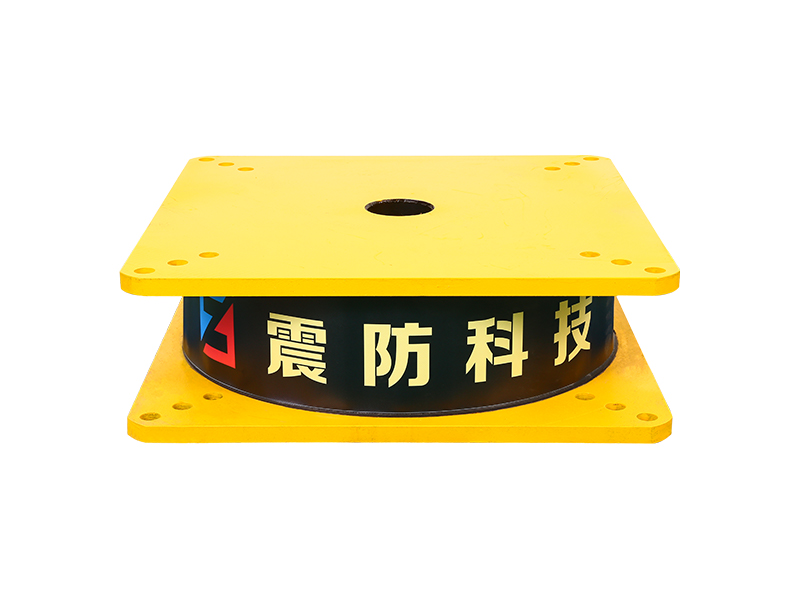
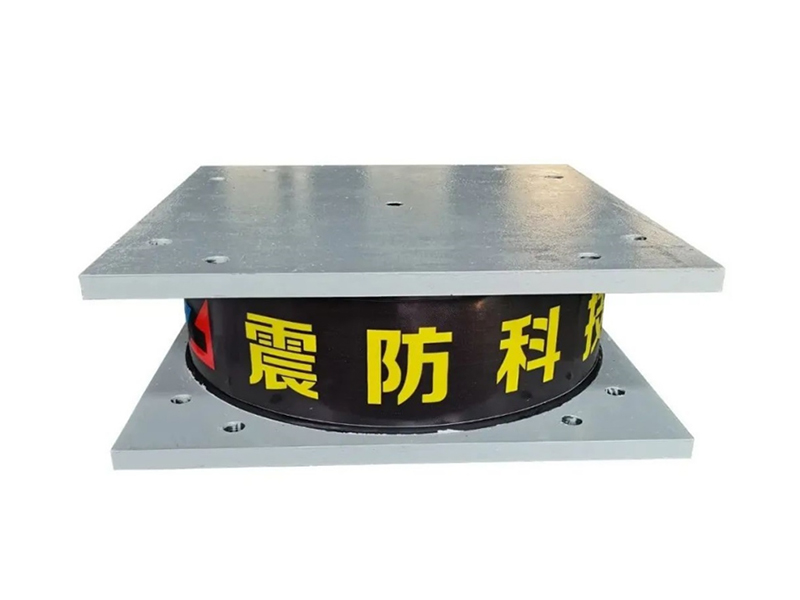
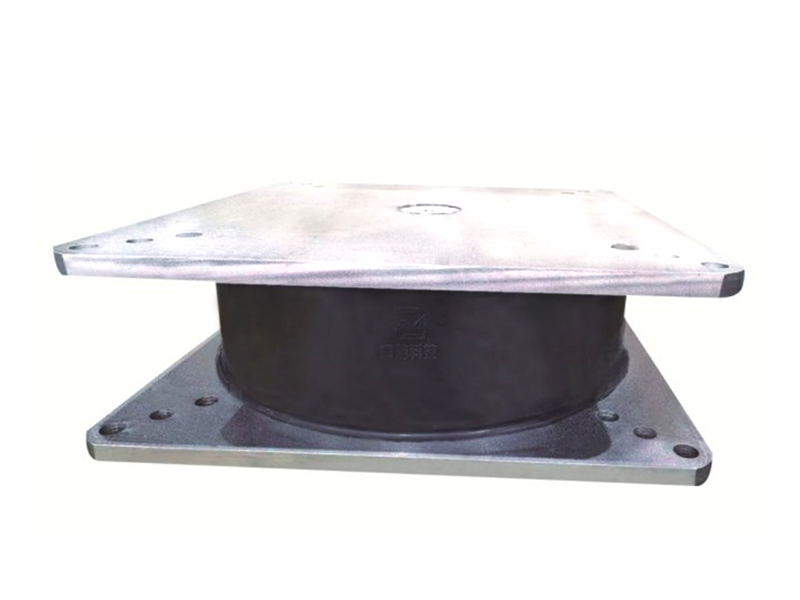
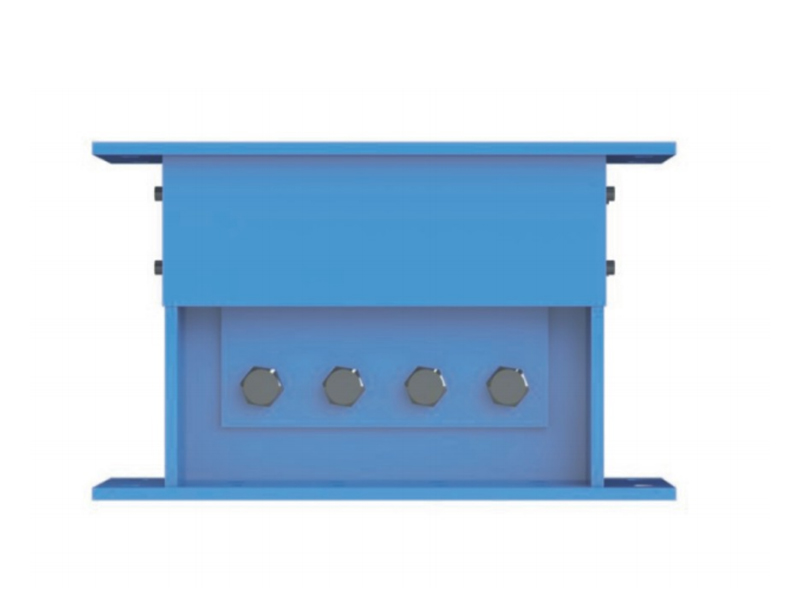
Staircases serve as circulation routes during normal building use, but their structural role becomes more complicated during an earthquake. A stair flight connects different floor levels and interacts with beams, landings, and surrounding structural members. If these connections restrict movement that the building needs during seismic response, the staircase may introduce additional forces into the frame. The Rubber Bearing For Stair Interval Earthquake Collapse addresses this connection detail by allowing controlled movement at the stair support.
In conventional reinforced concrete construction, stair flights may connect rigidly with the supporting beams and landings. During an earthquake, the floors of a building can move horizontally relative to one another. Because stairs connect these levels, they may be subjected to deformation that differs from the movement experienced by adjacent structural members.
A rigid stair connection can cause the stair flight to behave like an additional diagonal brace. This interaction may increase the stiffness of part of the structure and change how seismic forces are distributed. The resulting forces depend on the building layout, stair geometry, connection details, and expected interstory displacement.
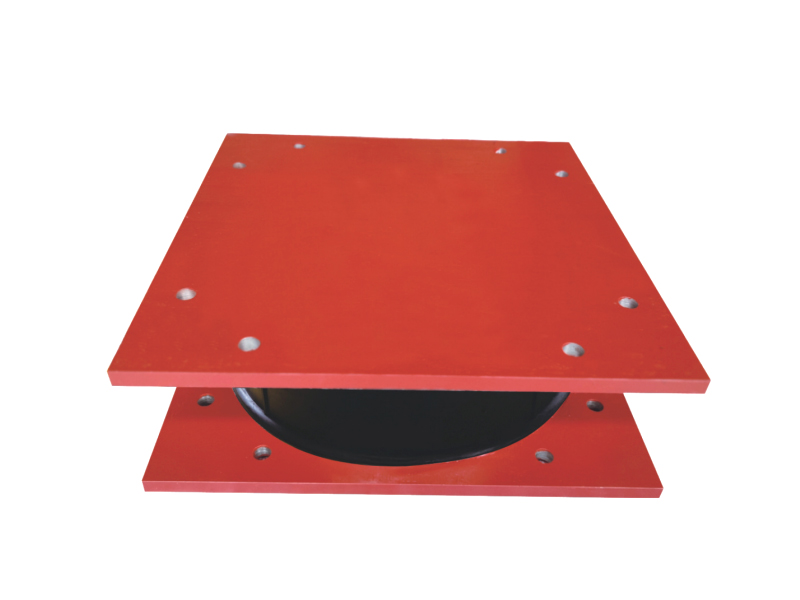
The engineering challenge is not simply to make a stair flight stronger. The connection also needs to accommodate the movement anticipated in the structural design. A Rubber Bearing For Stair Interval Earthquake Collapse is installed between the lower end of the stair riser and the supporting stair beam to reduce the restrictive shear-bracing effect associated with a rigid connection.
An isolation bearing at a stair connection provides a designated deformation area rather than relying entirely on rigid contact between the stair flight and its support. This arrangement can help reduce the transfer of certain forces from the staircase into the main structure. The actual response depends on bearing characteristics, connection geometry, and the displacement demands established by the structural engineer.
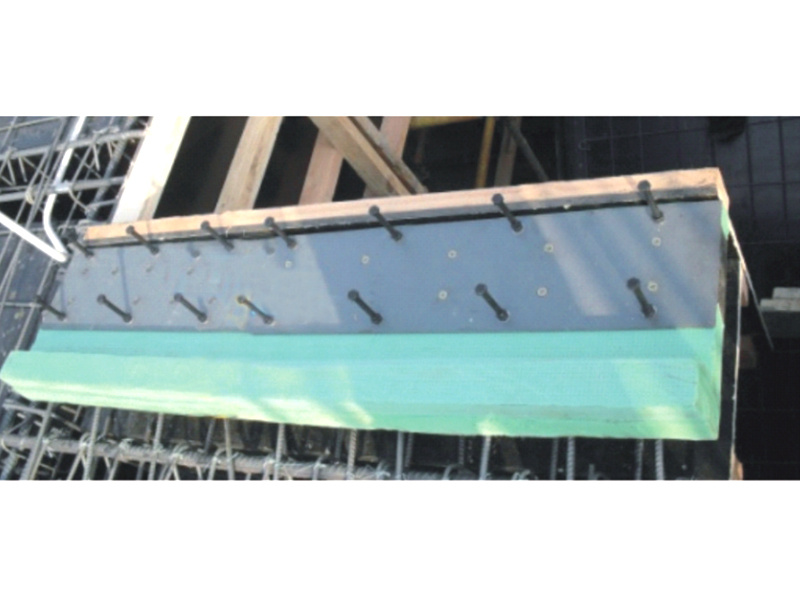
When specifying a Rubber Bearing For Stair Interval Earthquake Collapse, project teams should review the stair flight dimensions, support arrangement, vertical loading, horizontal movement requirements, and available installation space. The bearing must work with the surrounding concrete and reinforcement details rather than being treated as an independent accessory.
The product is intended for use in reinforced concrete frame structures, frame portions of frame-shear-wall or core-tube structures, and steel frame structures within the stated seismic design range. However, suitability for a particular project must be confirmed against applicable codes, engineering calculations, and the manufacturer's technical documentation. A bearing alone cannot guarantee that a staircase will remain usable after every earthquake.
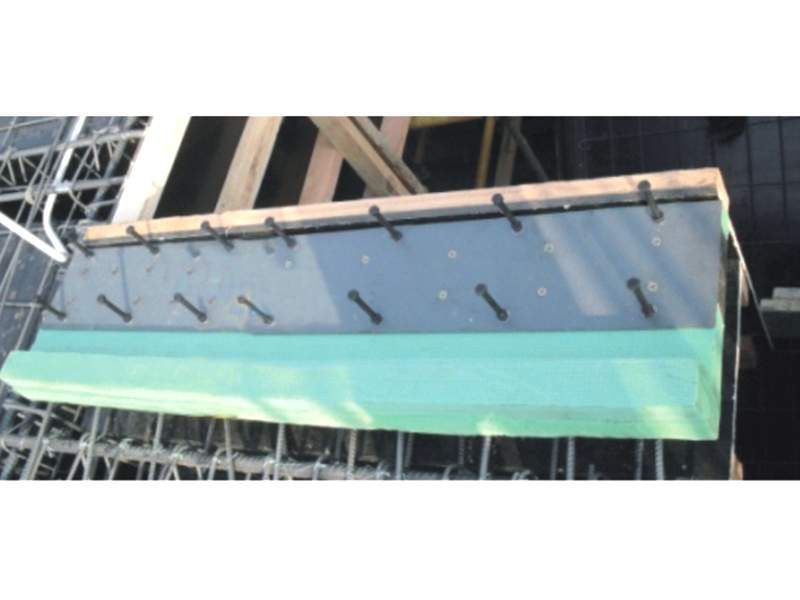
Installation planning is especially important when the bearing is incorporated into a cast-in-place staircase. The bearing is positioned between the stair beam and stair flight reinforcement before the concrete is cast. Its location must therefore be coordinated with reinforcement placement, formwork dimensions, and the connection geometry shown in the construction drawings.
For contractors, a useful inspection point is the bearing position before concrete placement. The team should confirm that the component matches the approved specification, sits in the intended location, and does not interfere with the designed reinforcement arrangement. Any deviation should be resolved before the connection becomes concealed by concrete.
A Rubber Bearing For Stair Interval Earthquake Collapse also requires coordination between structural designers, detailing engineers, and site personnel. If the bearing is introduced after reinforcement drawings have been finalized, changes may be needed to the support detail or construction sequence. Early coordination reduces the risk of site improvisation and helps maintain consistency between design intent and completed work.
The bearing's dimensions and material properties affect how it interacts with the stair support. Manufacturing quality control should therefore include checks on dimensional consistency, component condition, and conformity with the approved technical requirements. Where applicable, material testing and performance verification provide additional evidence that the supplied components meet the specified criteria.
For a Rubber Bearing For Stair Interval Earthquake Collapse, buyers and engineering contractors should request the relevant drawings, installation instructions, material information, and inspection records. These documents help confirm that the delivered product corresponds to the design and clarify how it should be installed. Batch identification can also support traceability when multiple stair flights or buildings use the same component.
The Rubber Bearing For Stair Interval Earthquake Collapse should be considered as part of the complete seismic detailing strategy, not as a substitute for structural analysis. Its role is to address movement and force transfer at a specific stair connection. When the bearing, surrounding structure, and construction sequence are coordinated from the design stage, the project team can better manage connection behavior and reduce avoidable installation discrepancies.

The company has been adhering to the corporate tenet of "quality first, customer first", and sincerely welcomes domestic and foreign customers to visit and guide.
GET A QUOTE
Add: No. 359 Guangming West Road, Sanmen County, Taizhou City, Zhejiang Province, China
International Trade Manager: Madison
Tel/Whatsapp:+86-17857335842
Copyright © Zhejiang Earthquake Prevention Technology Co., Ltd. All Rights Reserved.
