

 English
 日本語
日本語 русский
 简体中文
简体中文
The company has been adhering to the corporate tenet of "quality first, customer first", and sincerely welcomes domestic and foreign customers to visit and guide.
GET A QUOTE
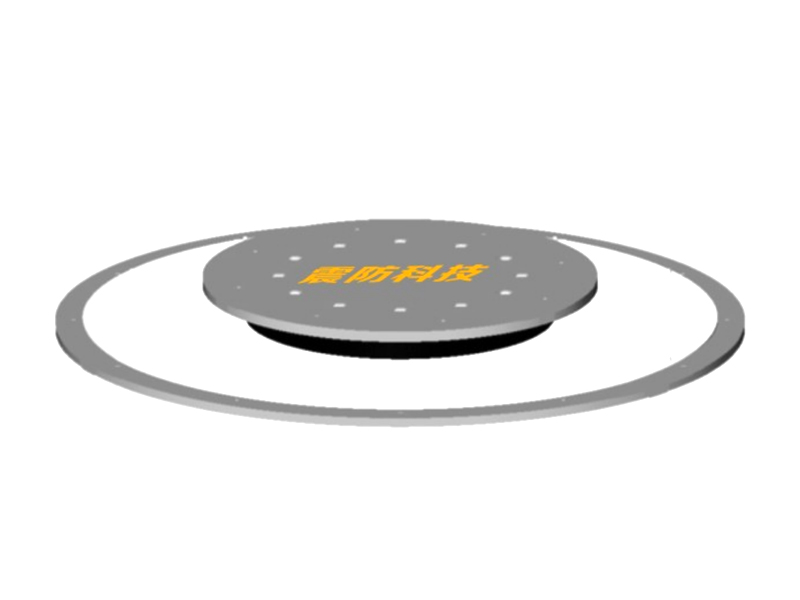
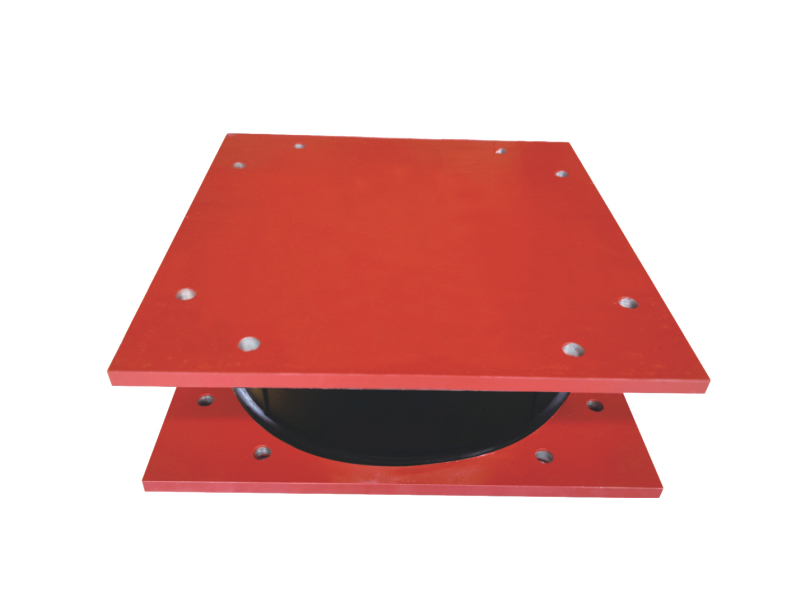
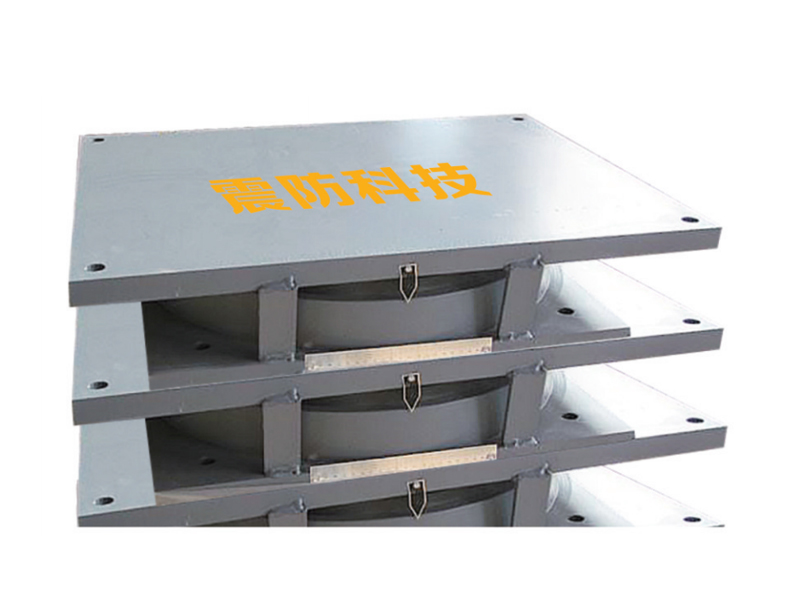
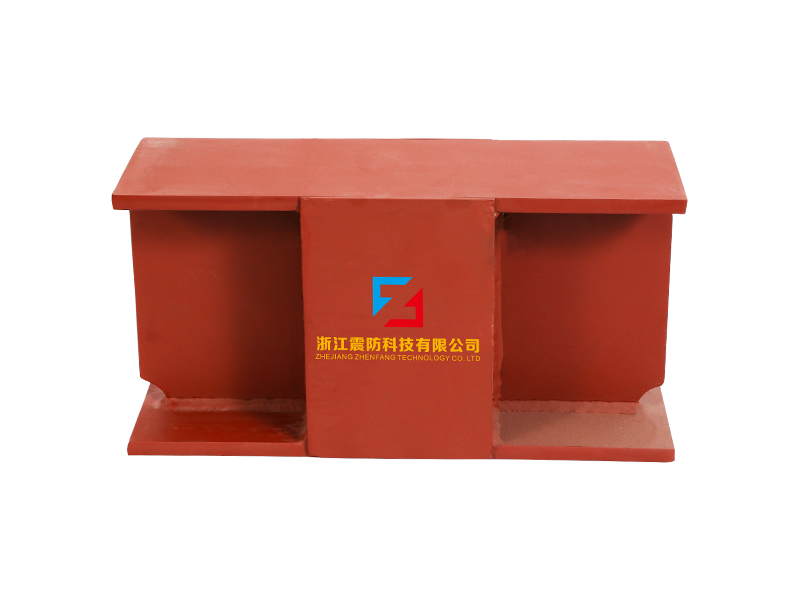
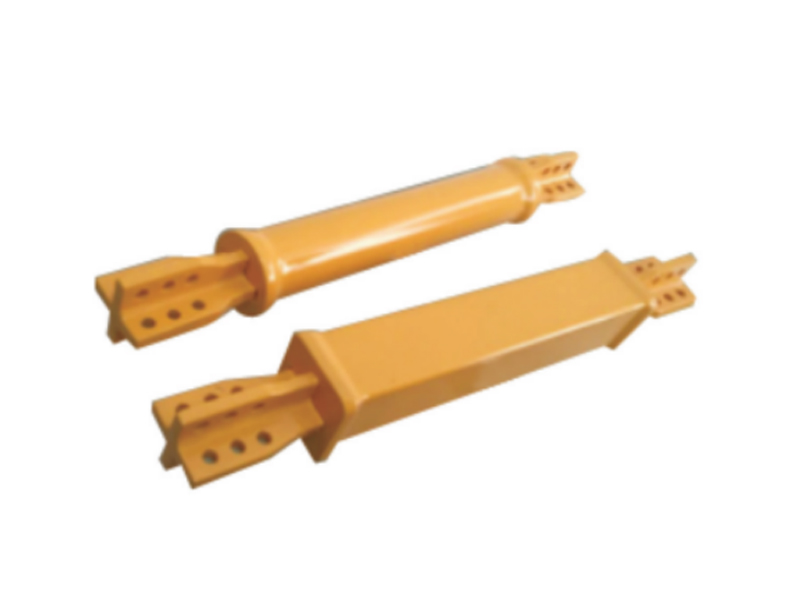
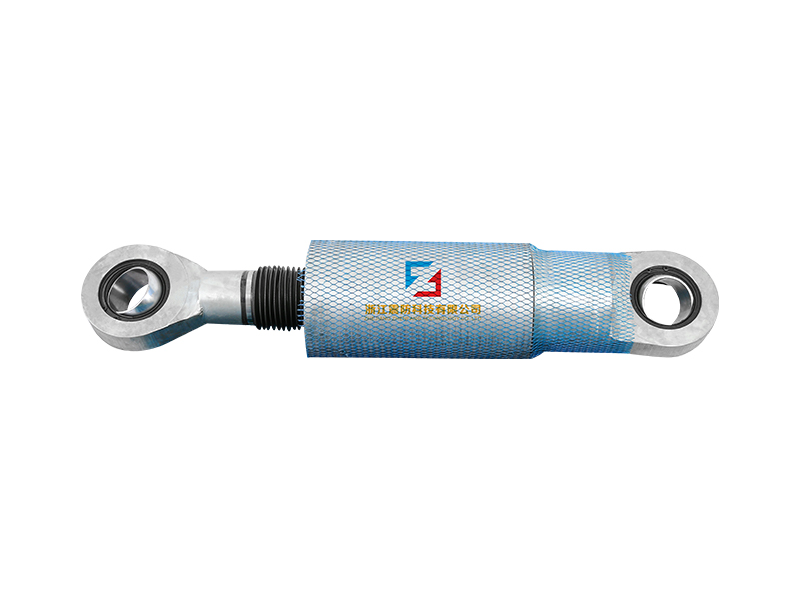
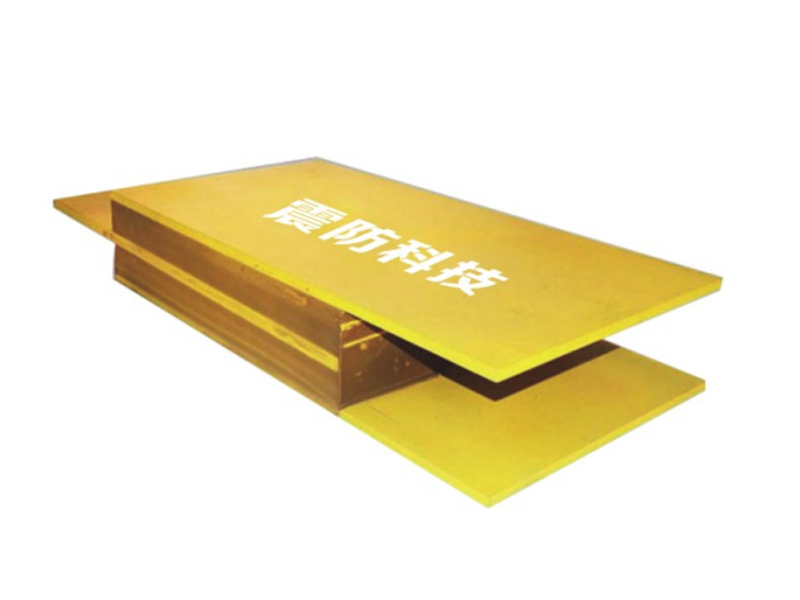
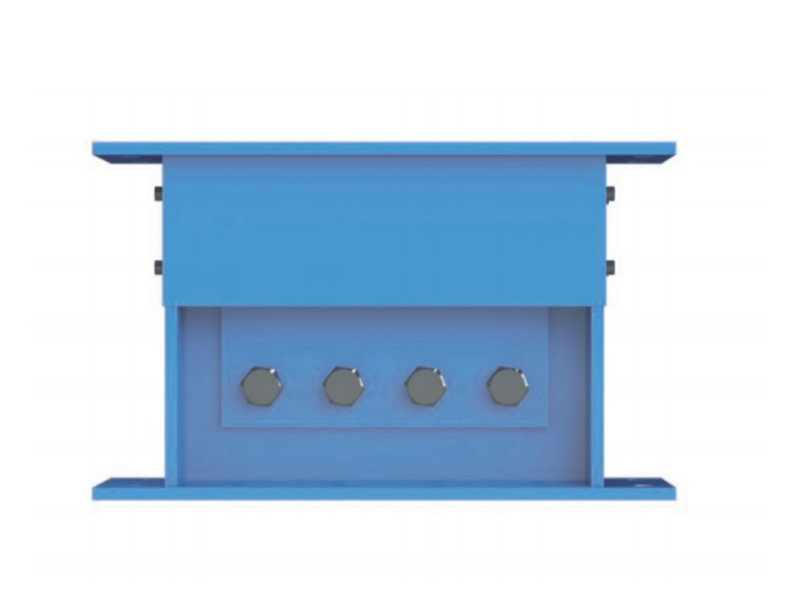
Seismic isolation bearings have become a well-known technology for protecting buildings against earthquakes during earthquakes around the world. Unlike solid buildings that transmit all seismic forces directly to the roof, seismic isolation bearing prevents the building from moving. Engineers have developed vibration-reducing structures for hospitals, information centers, bridges, government buildings, and emergency response. The strength of earthquake isolation explains its use in earthquake-prone areas around the world. The manufacturer manufactures seismic isolation bearings with different sizes, load capacities and equipment configurations.
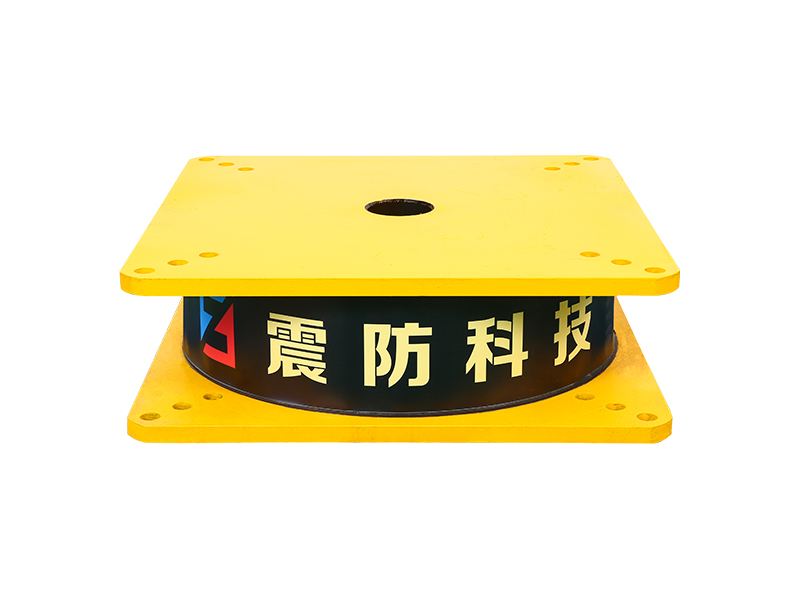
The principle of seismic isolation bearing includes anchors that allow mobility while supporting heavy loads. Rubber seismic isolation bearings replace the rubber shocks with steel shims to achieve a higher cushion and angle. The rubber component of the seismic isolation bearings allows shock absorption without permanent cracking or damage. The steel shims in the seismic isolation bearing prevent damage to the rubber components and provide vertical load resistance even under large upward displacements. The placement of a core in the center of the seismic isolation bearing causes energy dissipation through plastic deformation of the soft metal. A poorly designed seismic isolation bearing makes a building move slower and less smoothly. The duration of buildings supported by seismic resistance is much longer than that of stable buildings, reducing the forces experienced during an earthquake.
The capability of the seismic isolation bearing support both vertical building and vertical seismic forces. Designed for a multi-story building, the seismic isolation bearing supports loads ranging from 50 to 200 tons depending on the spacing of the columns and the weight of the building. The effective resistance of the earthquakes ranged from 200 to 600 mm in each direction. Seismic isolation bearings for long span bridges absorb heavy loads from the building due to the shear loads on the bridge. The lateral stiffness of seismic isolation bearing affects the building's sensitivity to a strong pre-earthquake wind. A properly sized seismic isolation bearing can withstand expected vibrations without rising beyond its capacity. In contrast to earthquake avoidance, the vertical displacement estimates are between 500 and 1500, but the horizontal displacement is stronger than the vertical displacement.
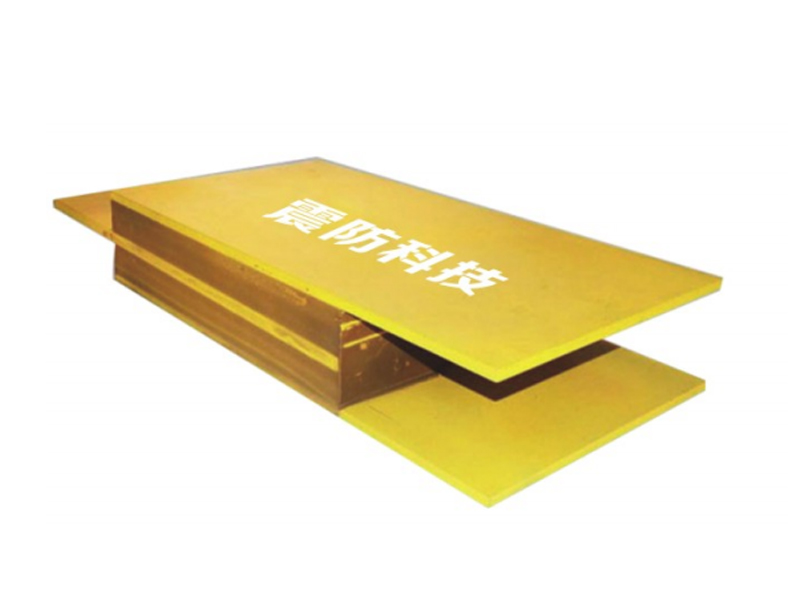
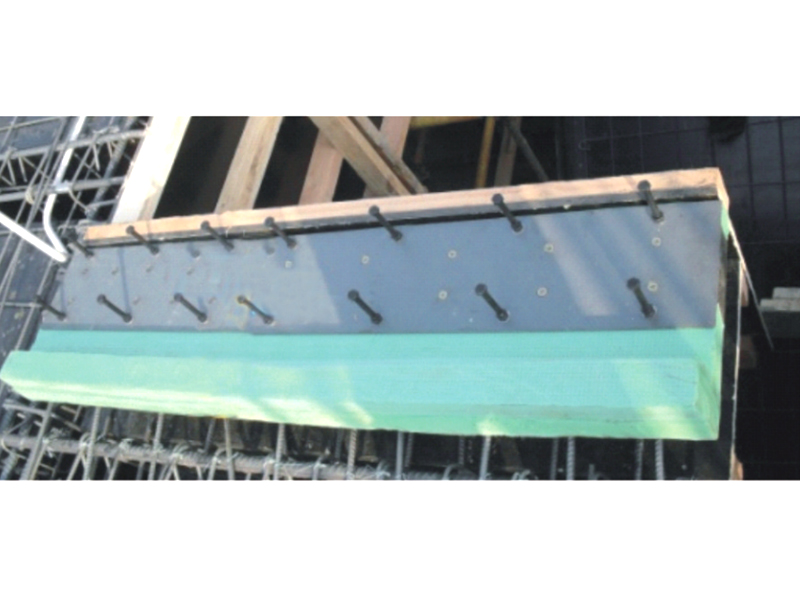
Installation of seismic isolation bearings between the foundation of the building and the attic. Seismic isolation bearings are evenly distributed throughout the building footprint by bearing units installed at the base of each column. Seismic isolation bearing requires a groove or groove to be inserted into the foundation for proper alignment and secure alignment. The orientation of seismic isolation bearing units at all support points should be consistent to avoid uneven positioning or load distribution. The installation of seismic isolation bearings in a building requires a curved core that will allow earthquake to pass through the adjacent building without disturbing them. Seismic isolation bearing units should be inspected after major phases of construction and at regular intervals during the construction cycle. Seismic resilience includes simple behavioral connections to plumbing, electrical and mechanical systems that can withstand the movement of the building.
Seismic isolation bearing technology has the potential to protect critical and critical components. Advances in rubber compaction and abrasive materials have led to the development of seismic isolation bearings that are durable and low maintenance. Seismic isolation bearings provide engineers with a proven and reliable solution to protect life and property from earthquakes.

The company has been adhering to the corporate tenet of "quality first, customer first", and sincerely welcomes domestic and foreign customers to visit and guide.
GET A QUOTE
Add: No. 359 Guangming West Road, Sanmen County, Taizhou City, Zhejiang Province, China
International Trade Manager: Madison
Tel/Whatsapp:+86-17857335842
Copyright © Zhejiang Earthquake Prevention Technology Co., Ltd. All Rights Reserved.
