

 English
 日本語
日本語 русский
 简体中文
简体中文
The company has been adhering to the corporate tenet of "quality first, customer first", and sincerely welcomes domestic and foreign customers to visit and guide.
GET A QUOTE
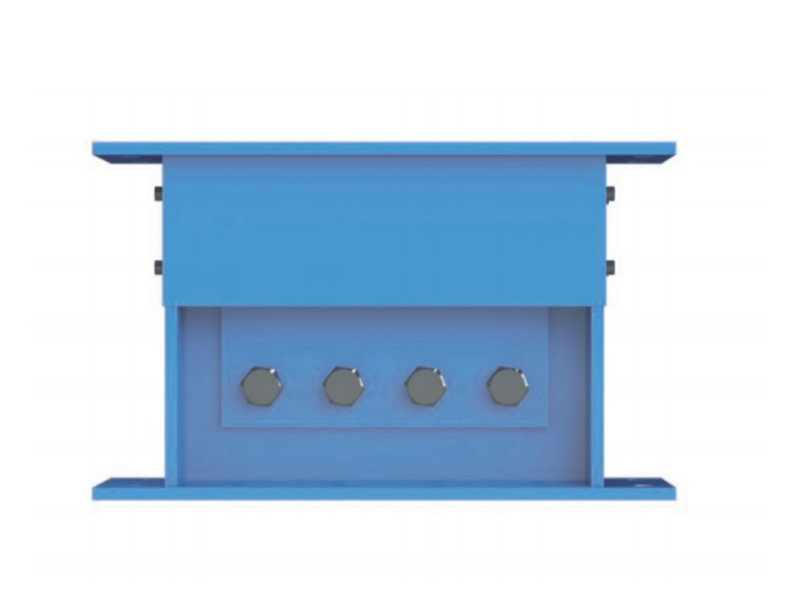
In the fields of structural engineering, mechanical design, and vibration control, a specialized device plays a critical role in absorbing and dissipating unwanted kinetic energy: the viscous friction damper. This technology operates on the principle of forcing a fluid through small orifices or between narrow gaps, converting the energy of motion into heat. Unlike systems that store and release energy, a viscous friction damper is a purely dissipative device, making it highly effective for mitigating vibrations, shocks, and dynamic loads in applications ranging from skyscrapers and bridges to industrial machinery and military equipment.
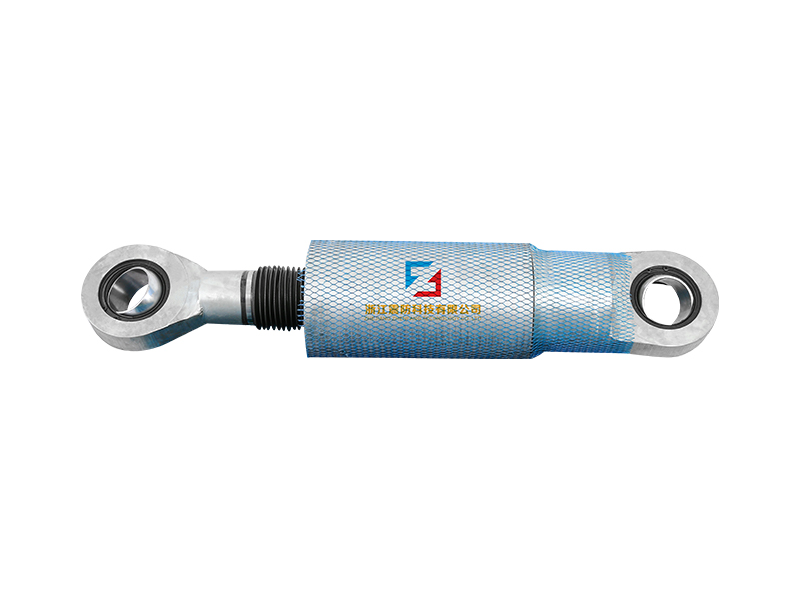
The fundamental operation of a viscous friction damper relies on the inherent properties of a specially formulated silicone-based fluid or similar high-viscosity medium. The damper typically consists of a cylinder containing this fluid and a piston rod connected to a piston head. As the piston is forced to move within the cylinder, either in a linear or rotational manner, the fluid is forced to flow through precisely calibrated passages or clearance gaps around the piston. The resistance to this flow, proportional to the velocity of the piston, generates a damping force. This force is fundamentally viscous—it increases with the speed of movement—and its magnitude can be finely tuned by the fluid's viscosity and the geometry of the orifices, allowing engineers to design a viscous friction damper with a specific damping coefficient for a given application.
A primary advantage of the viscous friction damper is its velocity-dependent response. It remains relatively inactive under slow, service-level movements (like thermal expansion or gentle wind) but becomes increasingly effective as motion velocity rises, such as during seismic events, strong winds, or sudden impacts. This makes it an outstanding supplement to, or replacement for, other damping systems in structures. In tall buildings, viscous friction damper units are installed within bracing systems or between structural elements to reduce wind-induced sway, enhancing occupant comfort and safety. In bridges, they help manage dynamic loads from traffic and wind.
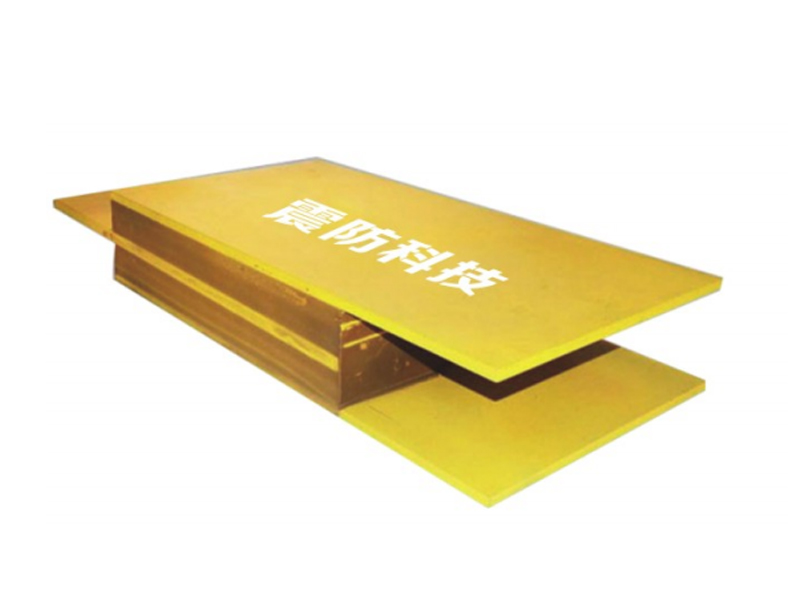
Beyond civil structures, the viscous friction damper finds extensive use in mechanical systems for vibration isolation and shock absorption. They are employed in vehicle suspension systems to dampen oscillations, in industrial machinery to protect sensitive components from vibration, and in aerospace applications to control unwanted movements. The sealed, self-contained nature of a typical viscous friction damper contributes to its reliability and longevity, requiring small maintenance over its service life, provided the integrity of the seals is maintained.
Innovation in viscous friction damper technology focuses on developing smarter and more adaptive systems. Research includes integrating sensors within the damper to provide real-time data on its performance and the forces it is experiencing. There is also interest in magnetorheological or electrorheological fluids, whose viscosity can be changed by applying a magnetic or electric field, potentially pilot to the next generation of semi-active viscous friction damper systems that can adjust their damping properties in real-time in response to changing conditions. As the demand for resilient infrastructure, comfortable built environments, and stable machinery grows, the viscous friction damper will continue to be a key engineering solution, quietly converting disruptive motion into harmless heat and ensuring stability across a diverse range of dynamic challenges.

The company has been adhering to the corporate tenet of "quality first, customer first", and sincerely welcomes domestic and foreign customers to visit and guide.
GET A QUOTE
Add: No. 359 Guangming West Road, Sanmen County, Taizhou City, Zhejiang Province, China
International Trade Manager: Madison
Tel/Whatsapp:+86-17857335842
Copyright © Zhejiang Earthquake Prevention Technology Co., Ltd. All Rights Reserved.
