

 English
 日本語
日本語 русский
 简体中文
简体中文
The company has been adhering to the corporate tenet of "quality first, customer first", and sincerely welcomes domestic and foreign customers to visit and guide.
GET A QUOTE
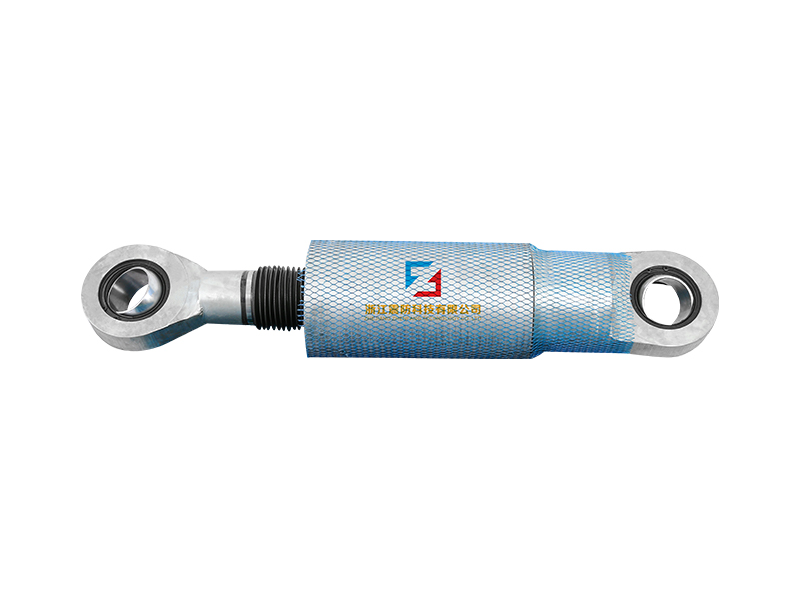
The specialized devices that protect buildings and infrastructure from damaging vibrations and seismic forces are experiencing significant technological advancement, the viscous friction damper, which dissipates energy through the resistance of fluid flow, has emerged as a highly effective solution for controlling structural response to earthquakes, wind, and other dynamic loads. As engineering understanding of structural dynamics advances and performance expectations rise, viscous friction damper technology continues to evolve to meet demanding protection requirements.
At the foundation of viscous friction damper function is the principle that energy can be dissipated by forcing fluid through restricted openings. When structural motion occurs during an earthquake or high wind event, the damper's piston moves through a cylinder filled with viscous fluid. Fluid is forced through carefully designed orifices, creating resistance that absorbs energy that would otherwise be transmitted through the structure. This energy dissipation reduces structural deformations and accelerations, protecting both the structural frame and non-structural components from damage.
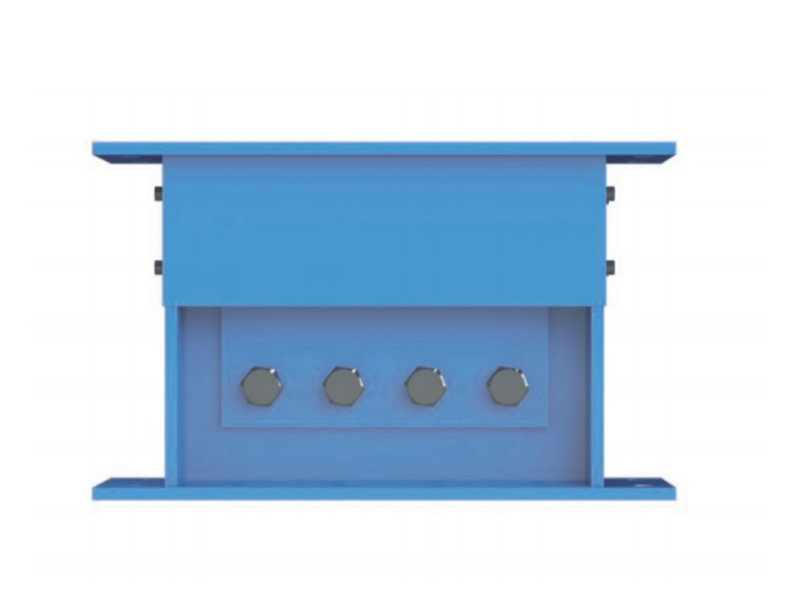
The construction of viscous friction dampers reflects the demanding requirements of structural protection applications. High-strength cylinders contain the fluid under the high pressures generated during operation. Precision-machined pistons with engineered orifices control fluid flow to achieve specific damping characteristics. Seals capable of containing fluid under pressure while allowing smooth piston movement maintain performance over years of service. Rods transmit forces between the damper and structural connections. These robust construction features ensure that viscous friction dampers survive and perform through the bad conditions of major seismic events.
Fluid selection is critical to viscous friction damper performance. Specialized silicone-based fluids are typically used due to their stable properties over wide temperature ranges and their resistance to degradation over time. Fluid viscosity determines the relationship between piston velocity and damping force, with higher viscosity fluids generating greater resistance at a given speed. Fluid compressibility affects damper behavior under dynamic loading. Through careful fluid selection and specification, viscous friction dampers can be tuned to achieve precisely the damping characteristics required for each application.
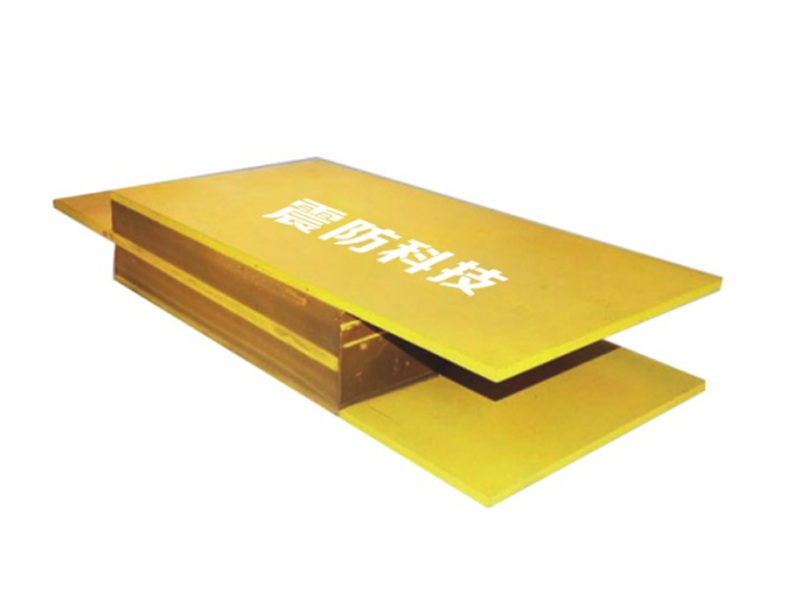
The damping coefficient, which describes the relationship between velocity and force, is the primary parameter defining viscous friction damper performance. Linear dampers produce force proportional to velocity, providing consistent damping across the range of operating speeds. Nonlinear dampers can be designed with force proportional to velocity raised to a power, allowing different characteristics at low and high speeds. This tunability allows viscous friction dampers to be optimized for the specific dynamic characteristics of each structure and the expected loading conditions.
Temperature stability is a significant advantage of viscous friction dampers compared to alternatives based on material yielding. The silicone fluids used in quality dampers maintain consistent viscosity across the temperature ranges encountered in building applications, ensuring that damping performance remains stable regardless of environmental conditions. This stability simplifies design and provides confidence that dampers will perform as intended when needed, whether on a hot summer day or during winter storms.
As performance-based design approaches become more common and expectations for structural resilience increase, viscous friction dampers will play an increasingly important role in protecting buildings and infrastructure from dynamic loads. The ability to tune damping characteristics precisely, combined with stable performance over time and small maintenance requirements, makes these devices attractive solutions for a wide range of applications. From protecting new construction to upgrading existing buildings, viscous friction dampers deliver the energy dissipation that modern structures require.
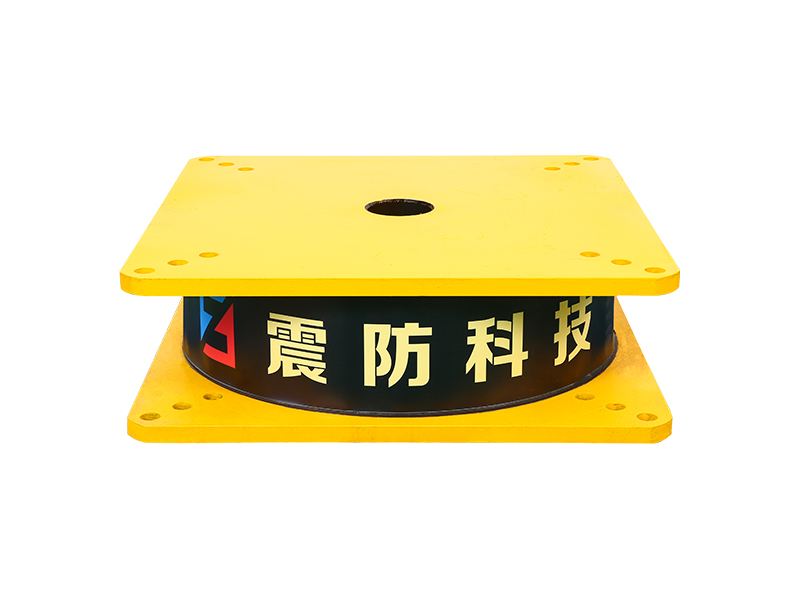
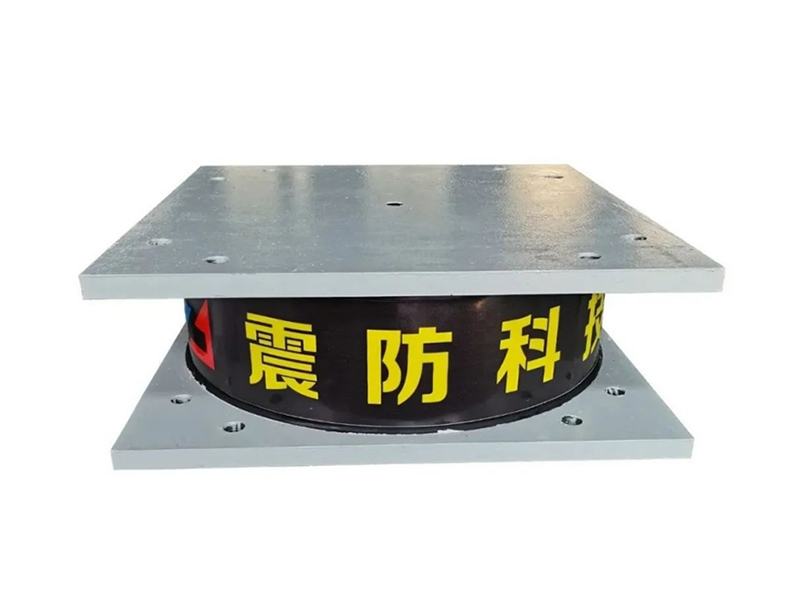
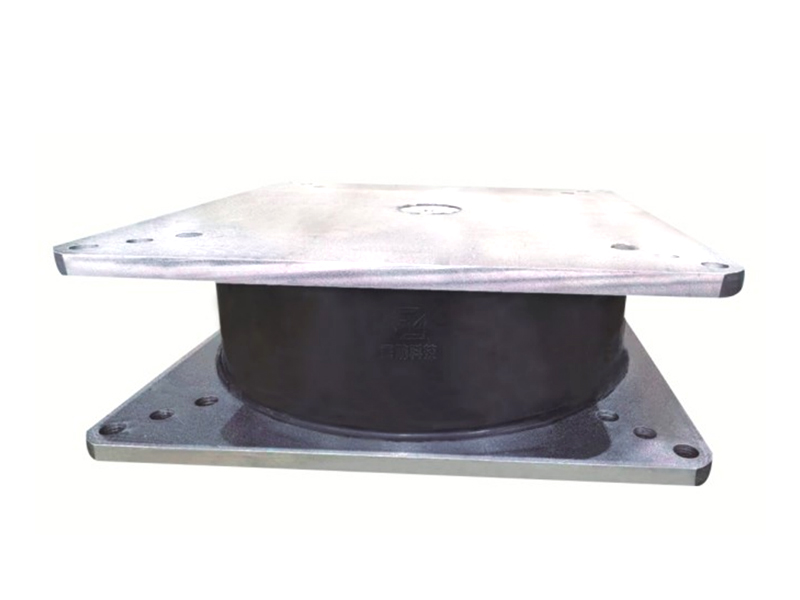

The company has been adhering to the corporate tenet of "quality first, customer first", and sincerely welcomes domestic and foreign customers to visit and guide.
GET A QUOTE
Add: No. 359 Guangming West Road, Sanmen County, Taizhou City, Zhejiang Province, China
International Trade Manager: Madison
Tel/Whatsapp:+86-17857335842
Copyright © Zhejiang Earthquake Prevention Technology Co., Ltd. All Rights Reserved.
