

 English
 日本語
日本語 русский
 简体中文
简体中文
The company has been adhering to the corporate tenet of "quality first, customer first", and sincerely welcomes domestic and foreign customers to visit and guide.
GET A QUOTE
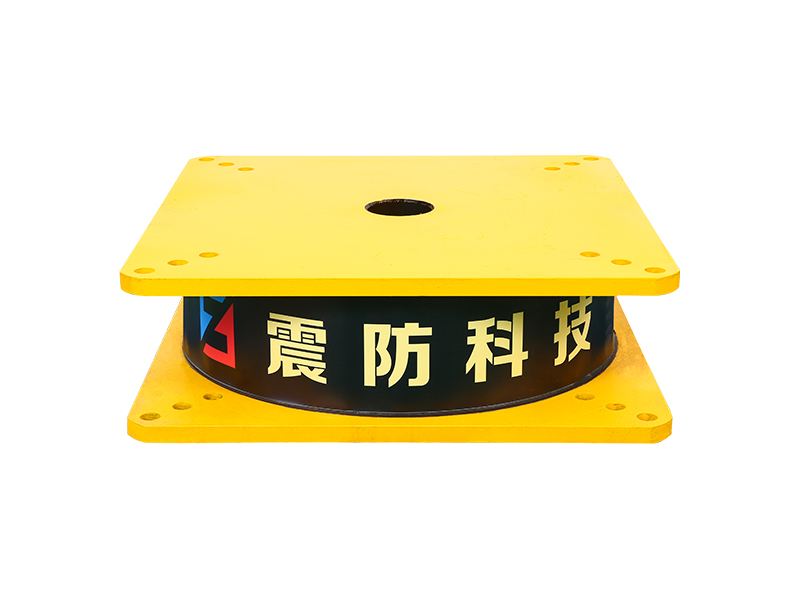
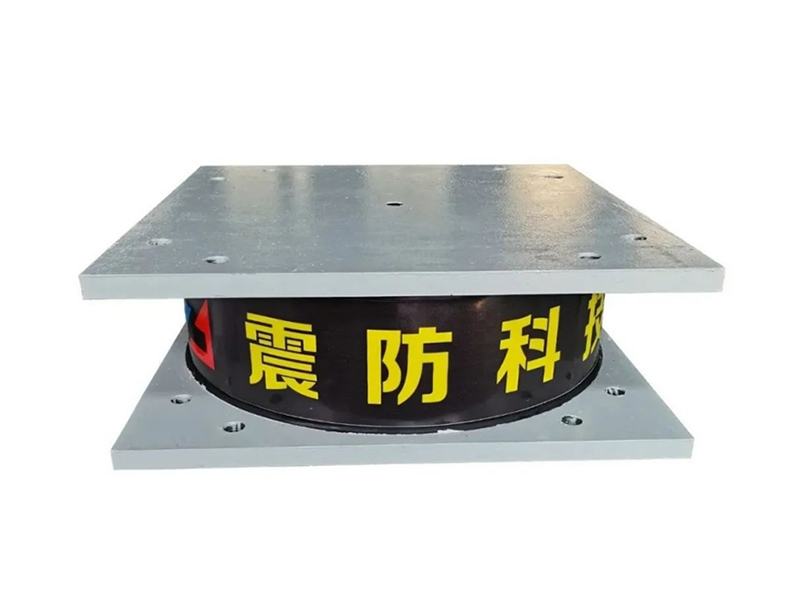
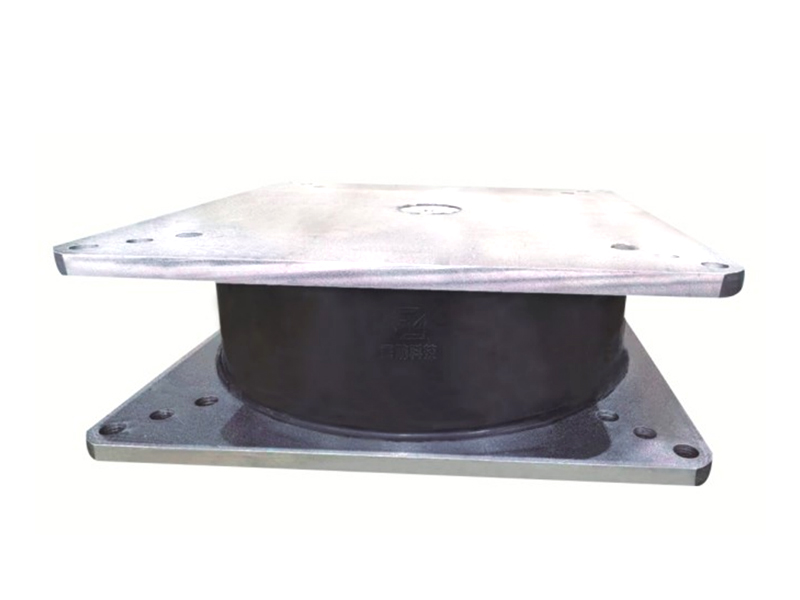
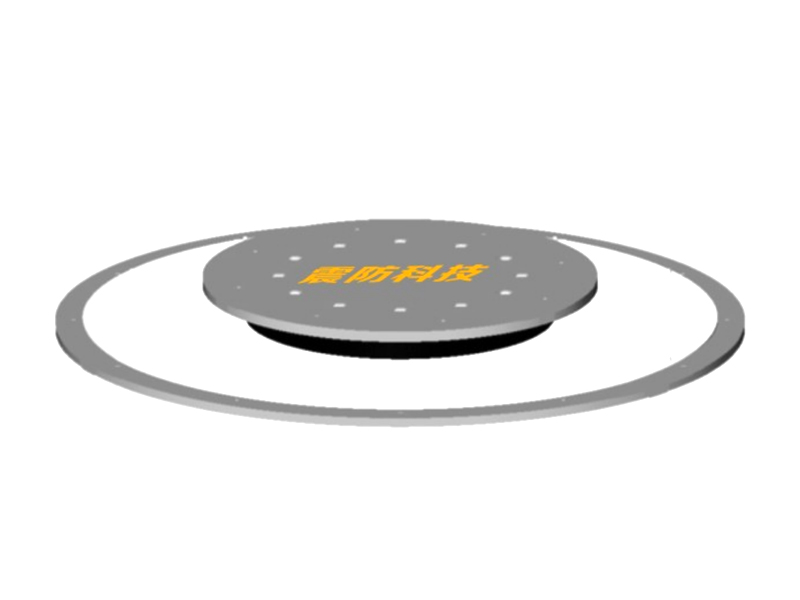
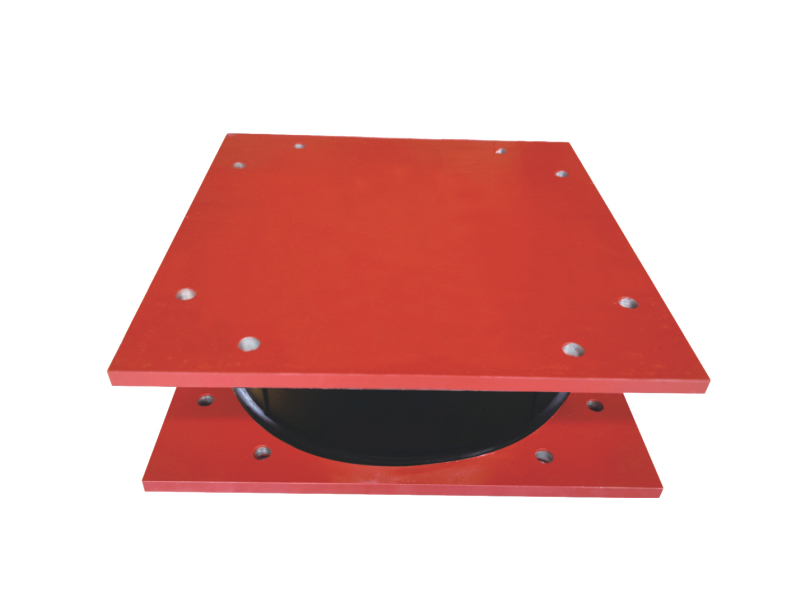
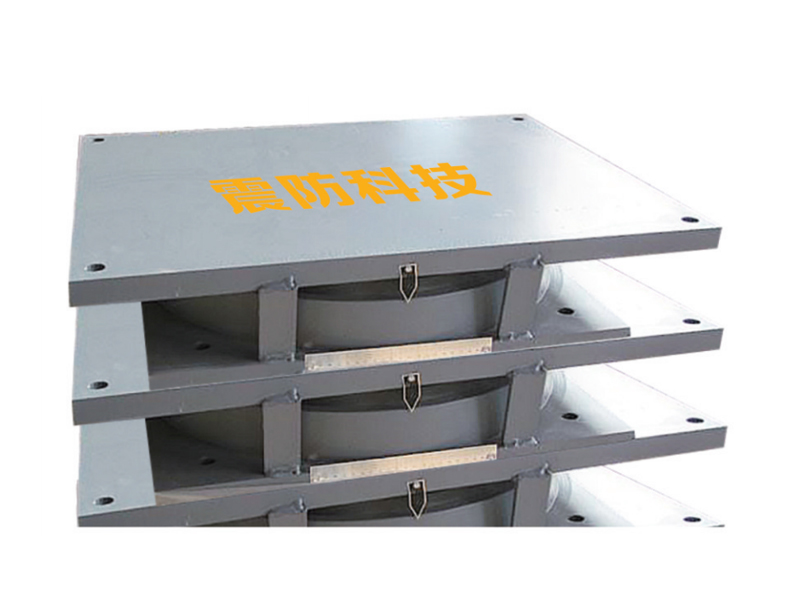
High damping rubber bearing technology has become increasingly vital in the effort to protect buildings and infrastructure from the destructive forces of earthquakes. These sophisticated devices function by decoupling a structure from ground motion, allowing the foundation to move while the superstructure above remains relatively stable. Unlike traditional rigid connections that transmit seismic energy directly into the building, a high damping rubber bearing absorbs and dissipates this energy through the intrinsic properties of its specially formulated elastomeric compound. The rubber is engineered with specific fillers and additives that create internal friction during deformation, converting kinetic energy from an earthquake into heat. This process significantly reduces the accelerations and forces experienced by the structure, thereby small damage to both structural elements and non-structural components. Engineers value these bearings because they provide both isolation and energy dissipation in a single unit, simplifying design and installation while enhancing overall system reliability.
The construction of a high damping rubber bearing involves alternating layers of this specialized rubber with thin steel reinforcing plates. These steel shims constrain the rubber from bulging laterally under vertical load, enabling the bearing to support immense compressive forces from the building above while remaining flexible in the horizontal direction. During seismic shaking, the rubber layers undergo shear deformation, and the material's high damping characteristic works to absorb vibrational energy. This internal damping mechanism is what distinguishes these bearings from conventional elastomeric isolators, as they eliminate the need for supplemental damping devices in many applications. Extensive laboratory testing and post-earthquake evaluations have confirmed that structures equipped with high damping rubber bearings consistently experience reduced floor accelerations and inter-story drifts, translating directly into improved safety for occupants and protection for valuable assets inside the building.
Manufacturing quality and material durability are critical factors in the long-term performance of high damping rubber bearings. The rubber compounds must maintain their mechanical properties over decades of service, resisting degradation from environmental exposure, temperature variations, and long-term static loads. Each bearing typically undergoes rigorous quality control testing to verify vertical stiffness, horizontal stiffness, and damping characteristics before installation. This attention to manufacturing precision ensures that the bearings will perform as designed when subjected to seismic events, providing reliable protection throughout the life of the structure. The proven durability of these systems has led to their specification in a diverse range of projects, including hospitals, schools, residential complexes, and historic buildings requiring sensitive retrofitting solutions.
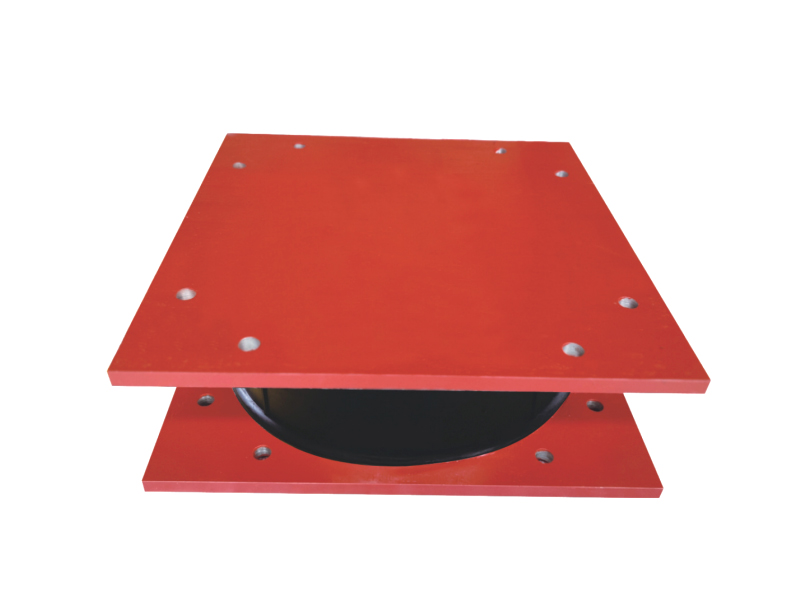
Ongoing research continues to refine the elastomeric formulations used in high damping rubber bearings, with scientists exploring advanced polymer blends and filler materials that could further enhance energy dissipation while maintaining load-bearing capacity. These developments aim to optimize bearing performance across different seismic conditions and temperature ranges, ensuring consistent behavior regardless of environmental factors. The accumulated knowledge from decades of real-world applications and continuous laboratory investigation provides engineers with confidence in specifying these devices for projects requiring verified seismic protection.
High damping rubber bearings have established themselves as indispensable tools for creating resilient communities in seismically active regions around the world. Their ability to combine structural support with efficient energy dissipation in a maintenance-friendly package makes them attractive for both new construction and seismic retrofitting projects. As urban populations grow and cities expand into earthquake-prone areas, the demand for reliable protective technologies will only increase. High damping rubber bearings will continue to play a crucial role in safeguarding lives and ensuring the continuity of essential services after major earthquakes, demonstrating that thoughtful engineering can significantly reduce the risks posed by natural hazards.

The company has been adhering to the corporate tenet of "quality first, customer first", and sincerely welcomes domestic and foreign customers to visit and guide.
GET A QUOTE
Add: No. 359 Guangming West Road, Sanmen County, Taizhou City, Zhejiang Province, China
International Trade Manager: Madison
Tel/Whatsapp:+86-17857335842
Copyright © Zhejiang Earthquake Prevention Technology Co., Ltd. All Rights Reserved.
