

 English
 日本語
日本語 русский
 简体中文
简体中文
The company has been adhering to the corporate tenet of "quality first, customer first", and sincerely welcomes domestic and foreign customers to visit and guide.
GET A QUOTE
Structural engineers specifying seismic protection systems face a basic design question: should the damping device be stronger than the structure it protects, or weaker in a specific, controlled way? A metal damper answers this by design, using a material selected specifically to deform before the surrounding structure reaches its own yield point, turning that early deformation into a way of dissipating seismic energy rather than letting it accumulate in the building's primary frame. Understanding exactly how this early-yielding behavior is engineered into a metal damper helps buyers evaluate whether a given product genuinely delivers this protection or simply claims to.
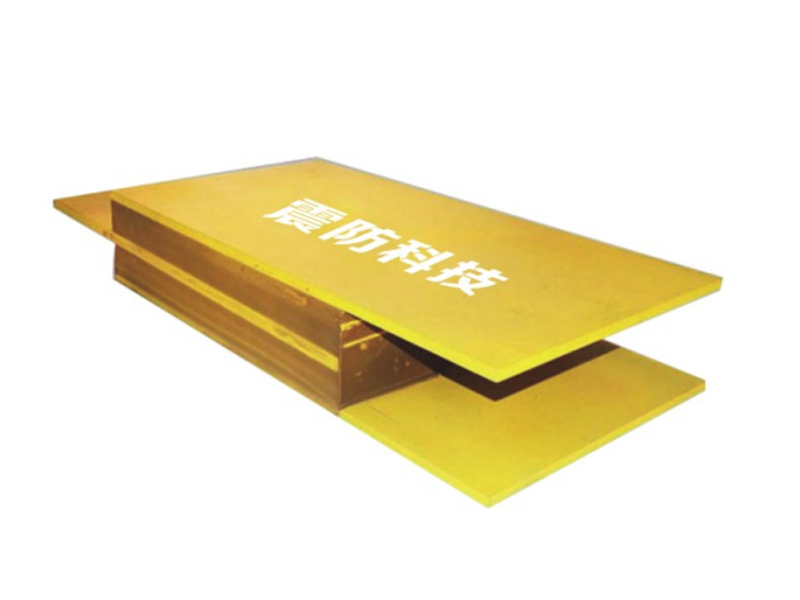
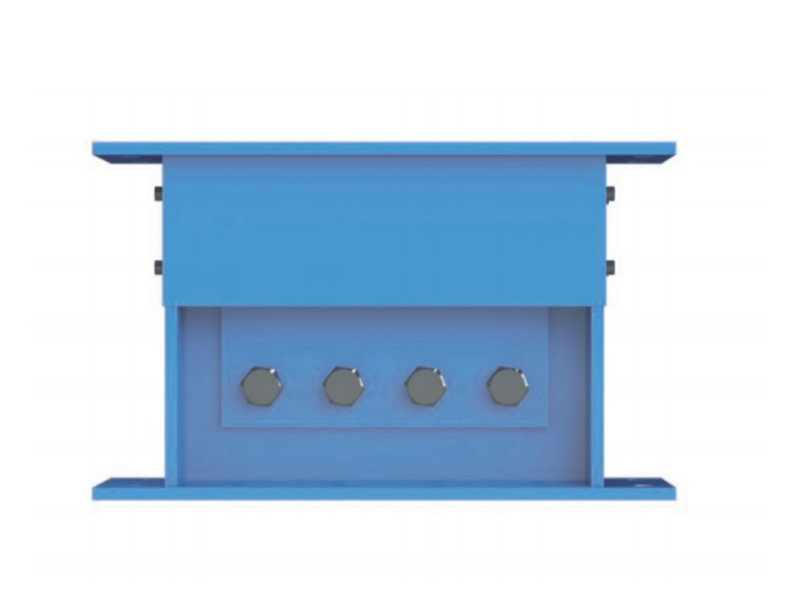
The shear plate inside a metal damper is typically made from mild steel chosen for its low yield strength and good ductility relative to the structural steel used in a building's main frame. This material pairing is intentional: because mild steel yields earlier than the surrounding structure, the damper absorbs and dissipates energy through its own plastic deformation before that energy can transfer into the building's load-bearing elements. Buyers specifying dampers for a given project should confirm the shear plate's yield strength relative to the main structure's steel grade, since the size of that gap directly affects how early and how reliably the damper activates during an earthquake.
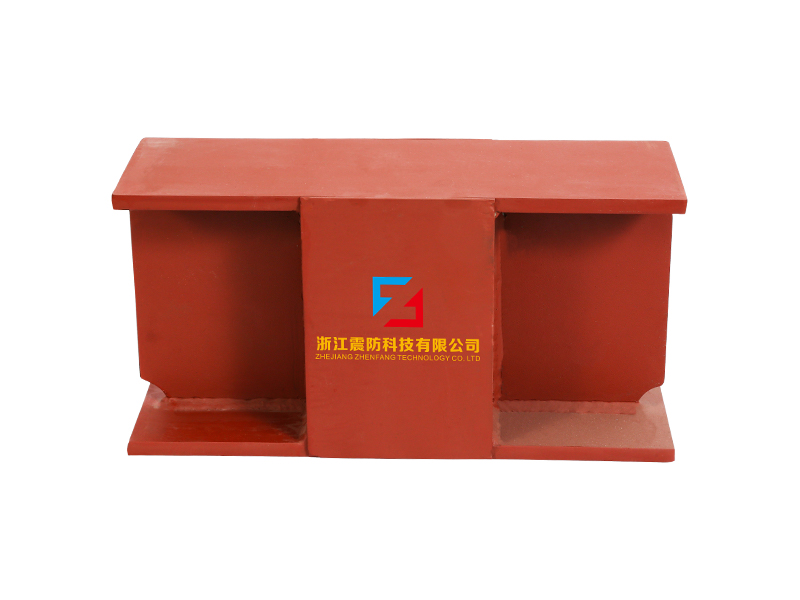
A metal damper works through the shear deformation of its energy dissipation plate under seismic loading, converting the structure's lateral movement into heat and material deformation rather than letting that energy continue to shake the building's frame. This mechanism gives the damper its characteristic hysteresis behavior, where the load-deformation curve traces a wide loop rather than a narrow line, and a wider loop generally indicates more energy dissipated per cycle of movement. Engineers reviewing damper specifications should look at the shape of this hysteresis curve specifically, since it tells a more complete story about real-world performance than a single peak-strength figure does.
Seismic reinforcement of existing buildings and repair of earthquake-damaged structures represent one major application path for metal dampers, where they offer meaningful cost and construction-time savings compared to traditional structural reinforcement methods. New construction represents a second path, where dampers are specified from the design stage to reduce seismic response under moderate or large earthquakes while also reducing the total amount of structural steel needed elsewhere in the building. Buyers should clarify with suppliers which application their project falls under, since retrofit installations typically involve more site-specific connection detailing than new-build projects where the damper location is planned from the start.
|
Placement Consideration |
Retrofit Installation |
New Construction |
|
Connection detailing |
Site-specific, adapts to existing structure |
Planned during structural design |
|
Installation sequence |
Often more constrained by access |
Coordinated with construction schedule |
|
Primary goal |
Restore or improve seismic performance |
Reduce structural steel while meeting performance targets |
|
Typical construction impact |
Can shorten repair timelines significantly |
Integrated into standard build sequence |
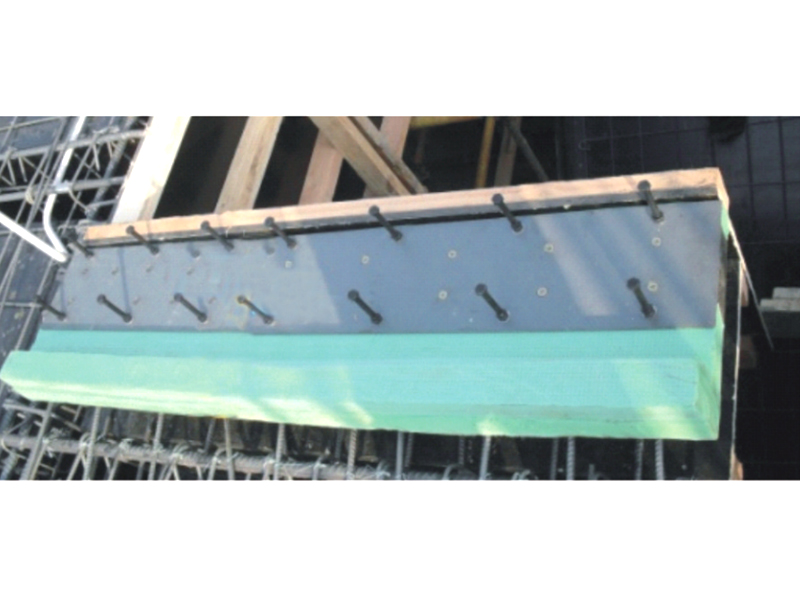
Since a metal damper is not designed to bear vertical structural load, installation sequence matters more than buyers might initially expect. The connecting plate anchors to embedded parts in the main structural components, typically beams, buttresses, or walls, and installation commonly follows a lower-to-upper, middle-to-later sequence, though bottom-to-top installation is also workable depending on site conditions. Buyers should confirm with their installation contractor which sequence fits the specific project, since forcing a sequence that doesn't match site access or structural sequencing can complicate an otherwise straightforward installation.
Given that a metal damper's performance depends heavily on lateral stiffness and ductility ratio, buyers should request test data confirming both figures under the specific loading conditions their project anticipates, rather than accepting general performance claims. High material utilization and economic efficiency are commonly cited advantages of this damper type, but these figures are only meaningful when verified against a specific structural application rather than treated as universal claims that apply identically across every project type and seismic zone. A supplier able to provide test reports specific to comparable structural configurations, rather than generic marketing figures, gives buyers a more reliable basis for evaluating a metal damper before it is specified into a real project.

The company has been adhering to the corporate tenet of "quality first, customer first", and sincerely welcomes domestic and foreign customers to visit and guide.
GET A QUOTE
Add: No. 359 Guangming West Road, Sanmen County, Taizhou City, Zhejiang Province, China
International Trade Manager: Madison
Tel/Whatsapp:+86-17857335842
Copyright © Zhejiang Earthquake Prevention Technology Co., Ltd. All Rights Reserved.
