

 English
 日本語
日本語 русский
 简体中文
简体中文
The company has been adhering to the corporate tenet of "quality first, customer first", and sincerely welcomes domestic and foreign customers to visit and guide.
GET A QUOTE
A damping device that looks like a simple sandwich of materials from the outside can still hide meaningful engineering complexity in how those layers interact under load. A viscoelastic damper is built from alternating layers of viscoelastic damping material and constraining steel plates, bonded together with an adhesive layer, and each of these three components contributes differently to how the finished device performs under seismic loading. Buyers who evaluate only the core damping material's published properties, without accounting for how the constraining layers change the assembled behavior, often end up with performance expectations that don't match what a completed viscoelastic damper delivers in practice.
The damping material at the core of a viscoelastic damper carries the bulk of the energy dissipation work, but the constraining steel plates and adhesive layer barely consume energy on their own, which means the loss factor of the assembled damper ends up smaller than the loss factor of the viscoelastic material tested in isolation. Buyers evaluating suppliers based purely on the manufacturer's stated properties of the raw viscoelastic material risk overestimating finished damper performance, since the mechanical properties of the complete assembly cannot be treated as equal to the damping material alone. Requesting test data on the fully assembled device, rather than component-level material specifications, gives a more accurate picture of expected performance.
A hysteresis curve for a viscoelastic damper falls into one of three general categories: linear, deformation-softening, or deformation-hardening, and each describes a different relationship between load and deformation as the damper cycles under seismic motion. This classification matters for structural engineers modeling building response, since assuming a linear relationship when the actual damper exhibits softening or hardening behavior can produce a meaningfully different predicted structural response. Buyers should confirm which hysteresis category applies to a specific damper model before incorporating it into a structural analysis model, rather than assuming all viscoelastic dampers behave identically under load.
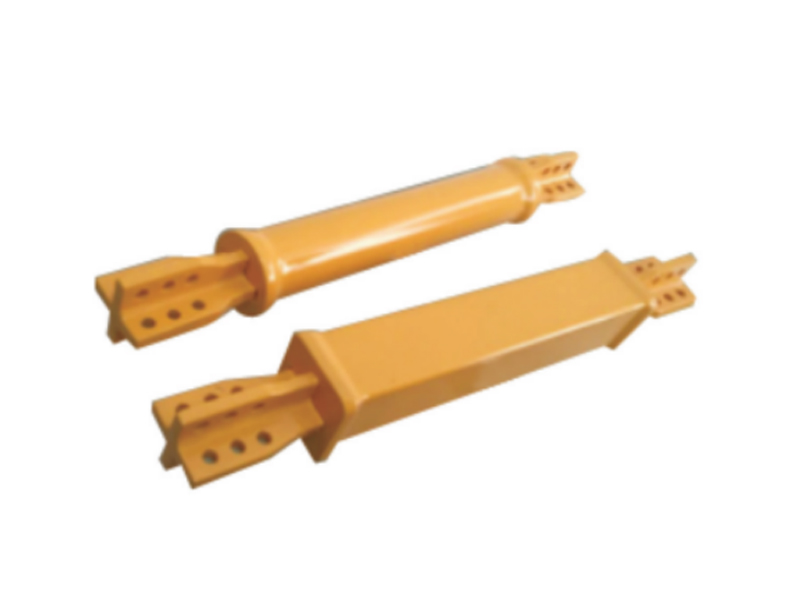
Viscoelastic dampers commonly come in two physical shapes: plane type and cylinder type, with the choice generally driven by the available installation geometry at a given structural connection point. A viscoelastic damper in plane configuration typically suits locations with flatter mounting surfaces, such as diagonal or herringbone bracing connections, while cylinder configurations may fit better in certain beam-column joint applications. Buyers should discuss available connection geometry with their structural engineer before selecting a damper shape, since retrofitting the wrong configuration into a tight connection space often requires costly redesign.
Shear deformation occurs in a viscoelastic damper specifically at locations in a structure that experience relative movement between adjacent elements, such as diagonal bracing, herringbone bracing, beam-column joints, truss lower chords, or the gap between adjacent buildings. When displacement occurs between structural layers, the damper's viscoelastic material undergoes this shear deformation, dissipating input vibration energy and reducing the structure's overall vibration response. Placement decisions should account for where the structure naturally develops the greatest relative displacement during seismic motion, since a damper installed at a low-displacement location contributes far less to overall energy dissipation than one placed at a high-displacement point.
|
Curve Type |
Load-Deformation Relationship |
Modeling Implication |
|
Linear |
Proportional response across the loading range |
Simpler to model, predictable stiffness |
|
Deformation-softening |
Response weakens as deformation increases |
Requires nonlinear modeling for accuracy |
|
Deformation-hardening |
Response stiffens as deformation increases |
Can indicate reserve capacity at large displacement |
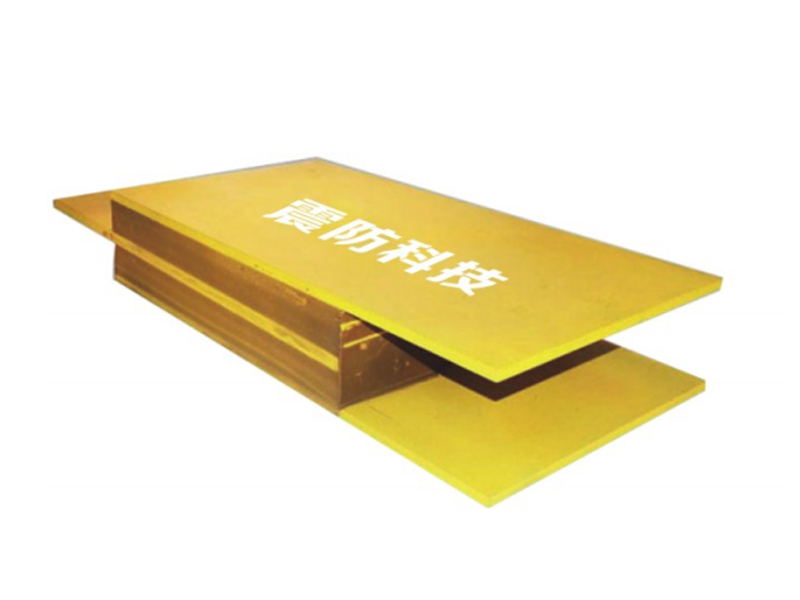
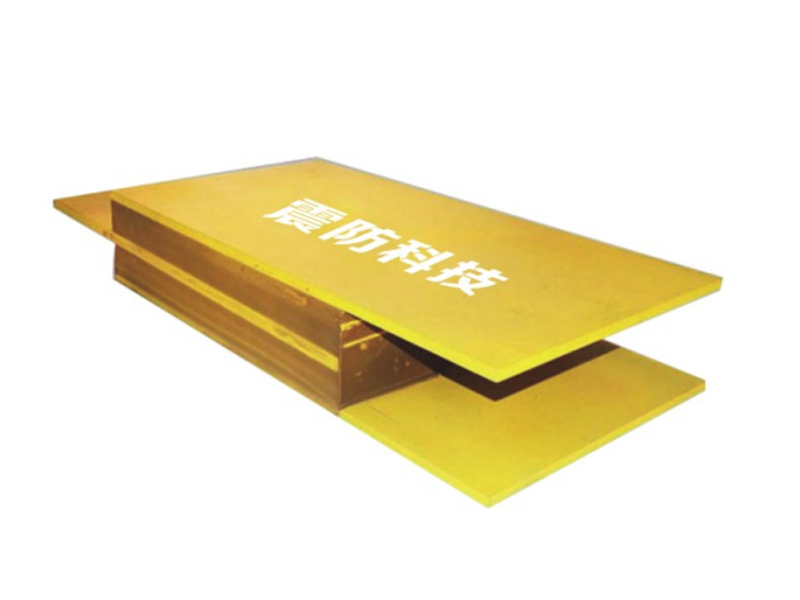
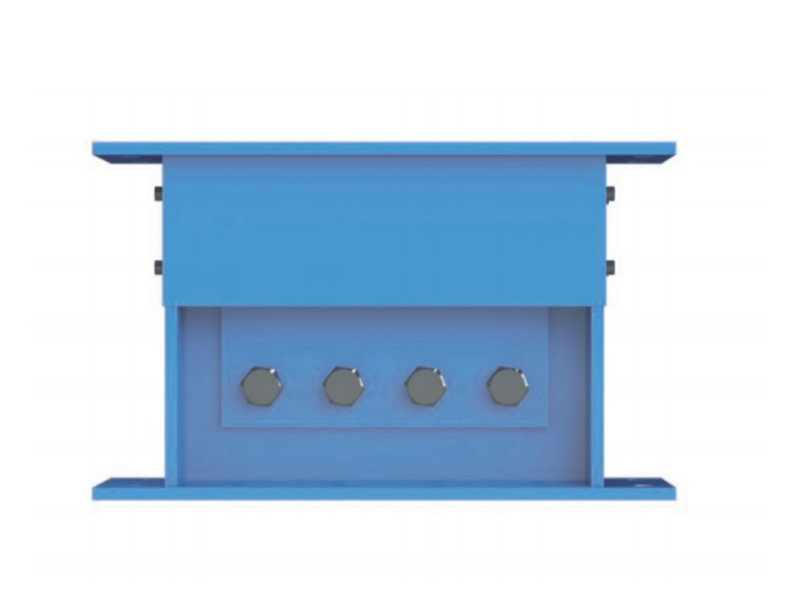
A wall panel viscoelastic damper consists of upper and lower steel plates with viscoelastic material filling the space between them, and this configuration dissipates energy specifically through horizontal shear deformation as the building's structural layers move relative to each other during an earthquake. Buyers evaluating this configuration against bracing-mounted alternatives should consider available wall space, architectural constraints, and how the structure's expected deformation pattern aligns with the wall panel's horizontal shear mechanism before finalizing a placement plan across a project. A structural engineer familiar with both configurations can usually identify which locations in a building suit a wall panel viscoelastic damper versus a bracing-mounted plane or cylinder type more efficiently than evaluating each connection point independently from scratch.

The company has been adhering to the corporate tenet of "quality first, customer first", and sincerely welcomes domestic and foreign customers to visit and guide.
GET A QUOTE
Add: No. 359 Guangming West Road, Sanmen County, Taizhou City, Zhejiang Province, China
International Trade Manager: Madison
Tel/Whatsapp:+86-17857335842
Copyright © Zhejiang Earthquake Prevention Technology Co., Ltd. All Rights Reserved.
