

 English
 日本語
日本語 русский
 简体中文
简体中文
The company has been adhering to the corporate tenet of "quality first, customer first", and sincerely welcomes domestic and foreign customers to visit and guide.
GET A QUOTE
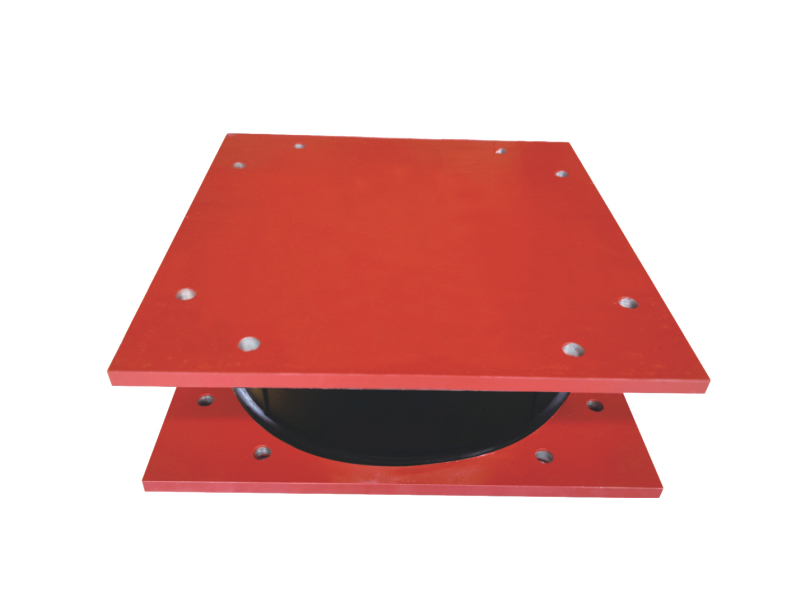
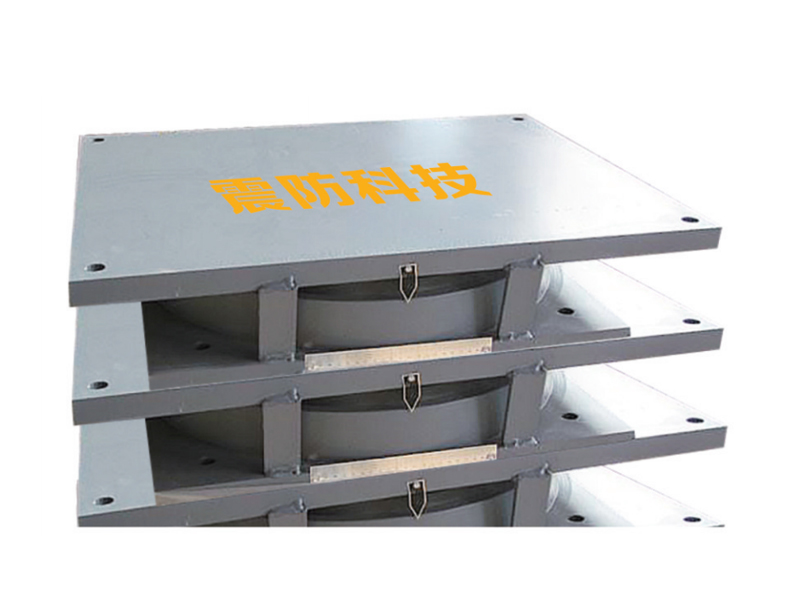
A well-designed bearing does its job only if it lands exactly where the structural drawing puts it. Building rubber isolation bearings sit between the foundation and the structure above, and every one of them has to line up with the column or wall it supports to within a small tolerance. Get that positioning wrong by even a few millimetres across dozens of bearings, and the load path through the building no longer matches what the engineer calculated.
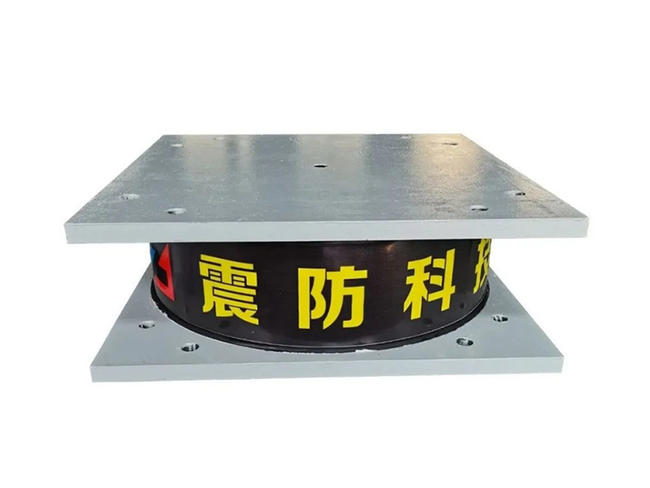
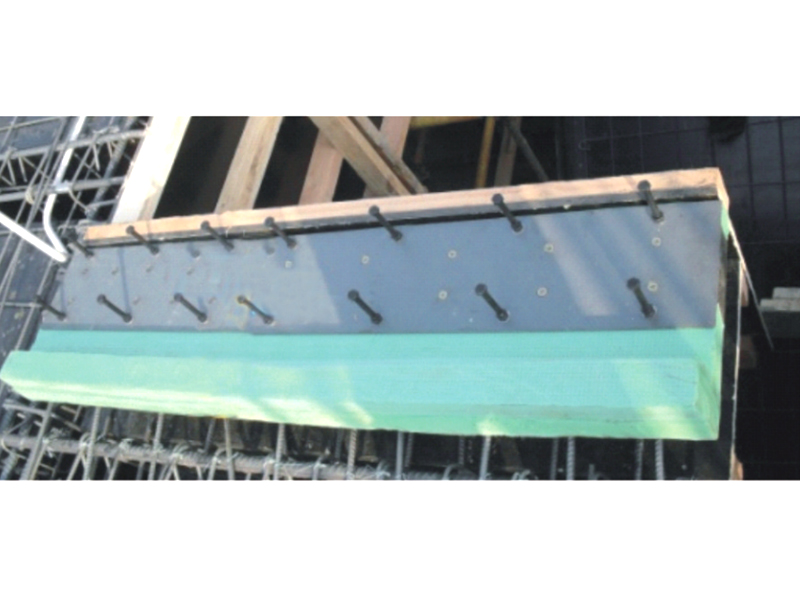
Before a single bearing reaches the site, the concrete piers below it already carry the parts that will hold it in place. Building rubber isolation bearings connect to the foundation and the structure above through pre-embedded members, sleeve-and-reinforcement assemblies cast into the pier below and the pier above, so the bearing becomes interconnected with both once it is bolted in. Getting this embedded hardware in the right spot for building rubber isolation bearings matters more than almost any other step in the whole installation, because once the concrete sets, the position of those parts is fixed.
Installers mark the centre point of each bearing location on the base plate before the lower pier is even built, using a steel formwork template to keep the pre-embedded parts clear of the main reinforcement bars that would otherwise block them. Building rubber isolation bearings installed this way avoid a problem that shows up only much later: reinforcement steel crowding the sleeve holes and leaving no clean path for the connecting bolts to seat properly.
A single measurement taken once is not enough for work this unforgiving. The reinforcement cage for the lower pier is tied at the outset, and the pre-embedded parts are fixed to a positioning template that holds all of them in place while their elevation, plane position and flatness are checked against the drawing. Only once that check confirms the parts sit correctly are they fixed for good.
The same checks happen again after the concrete is poured, and a third time once the concrete reaches enough strength to allow the building rubber isolation bearings themselves to go in. Building rubber isolation bearings are only installed once this final retest, covering elevation, centre position and flatness together, confirms the embedded hardware still matches the design position. Concrete shifts slightly as it cures, and skipping this final check risks installing an expensive bearing onto a foundation point that has moved out of tolerance since the earlier measurement was taken.
Timing the building rubber isolation bearings installation to concrete strength rather than to a calendar date is part of the same discipline. Bearings go in only after the concrete has reached roughly eighty percent of its design strength, giving the pier enough capacity to carry the load without further curing needed underneath the bearing seat.
A rubber isolation bearing installed slightly off-centre from its column does not fail outright, but it does carry load unevenly across its footprint rather than the balanced distribution the design assumed. Over years of thermal movement and small seismic events, that uneven loading concentrates stress at one edge of the rubber and steel laminate rather than spreading it evenly through the whole cross-section, which is exactly the kind of gradual wear a rubber isolation bearing is not designed to absorb from one side alone.
Debris is a smaller but real risk during the same window. Wet concrete, dropped mortar or loose formwork material can find its way into an unprotected sleeve hole before the bearing is installed, and a bolt left unscrewed into the sleeve during the pour is one of the simplest ways site crews keep that opening clear until the hardware is ready to receive the actual connecting bolts.
Buyers ordering building rubber isolation bearings for a new project can ask the supplier for the full pre-embedded parts installation sequence alongside the bearing specification sheet, since the two are meant to work together rather than as separate documents handled by different trades. A diameter chosen correctly for the building's load, paired with an installation sequence that was skipped or rushed on site, still leaves the isolation system performing below what the design intended.
Project teams that build the positioning retest into their construction schedule, rather than treating it as an optional inspection step, get a rubber isolation bearing installation that matches the load path the structural engineer calculated from the start. That match between design intent and as-built position is what lets Building rubber isolation bearings perform the way their specification sheet promises once an earthquake actually tests the system.
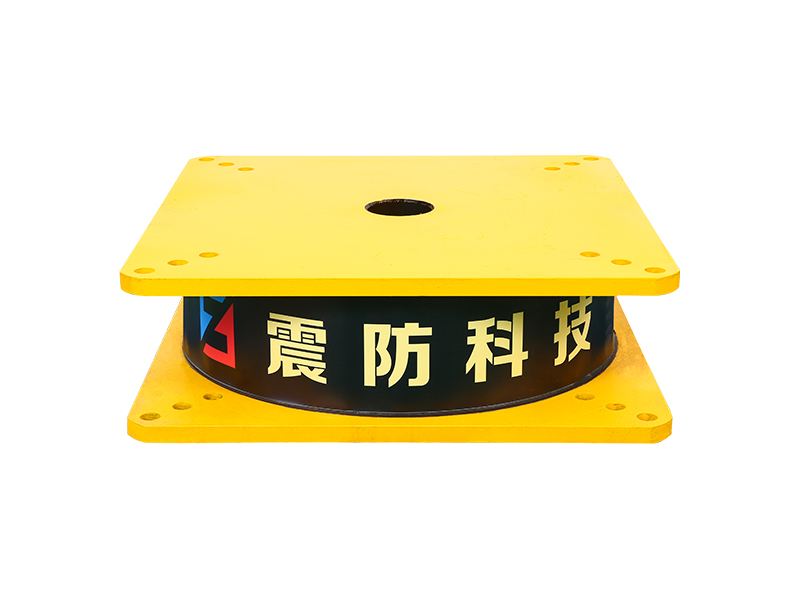
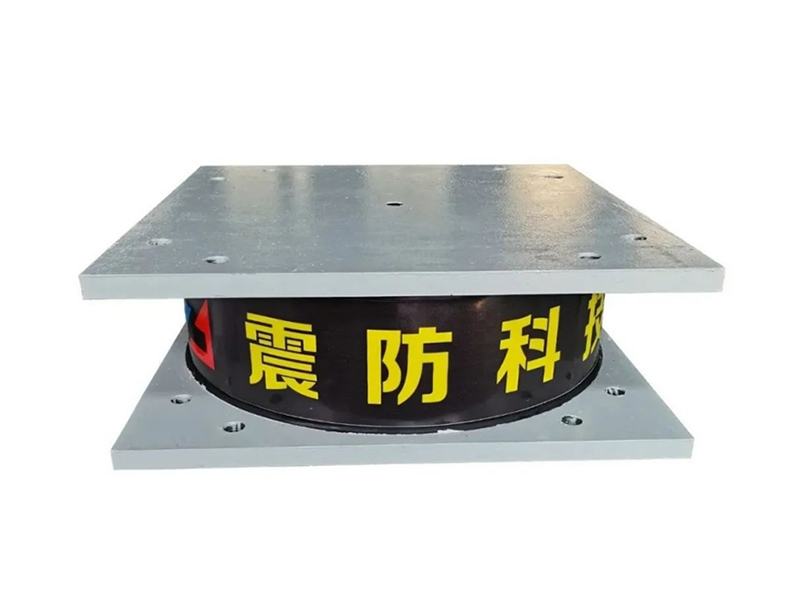
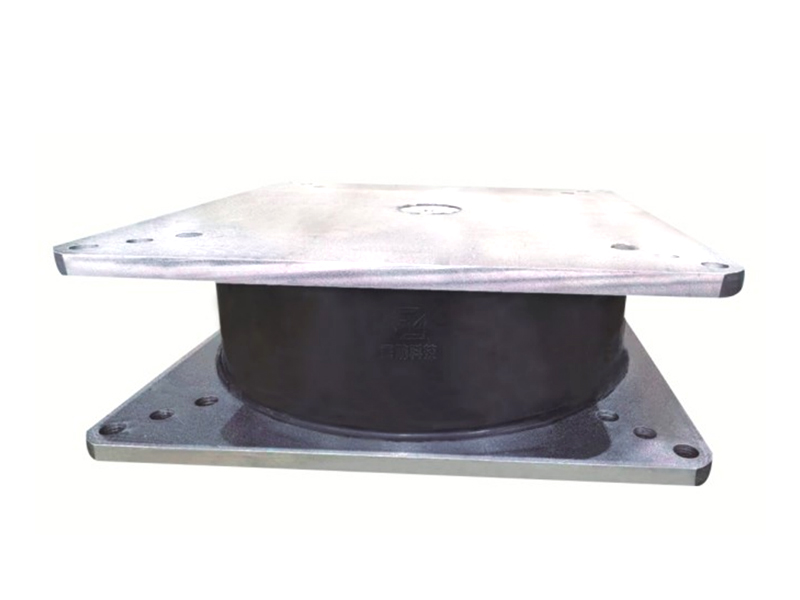

The company has been adhering to the corporate tenet of "quality first, customer first", and sincerely welcomes domestic and foreign customers to visit and guide.
GET A QUOTE
Add: No. 359 Guangming West Road, Sanmen County, Taizhou City, Zhejiang Province, China
International Trade Manager: Madison
Tel/Whatsapp:+86-17857335842
Copyright © Zhejiang Earthquake Prevention Technology Co., Ltd. All Rights Reserved.
