

 English
 日本語
日本語 русский
 简体中文
简体中文
The company has been adhering to the corporate tenet of "quality first, customer first", and sincerely welcomes domestic and foreign customers to visit and guide.
GET A QUOTE
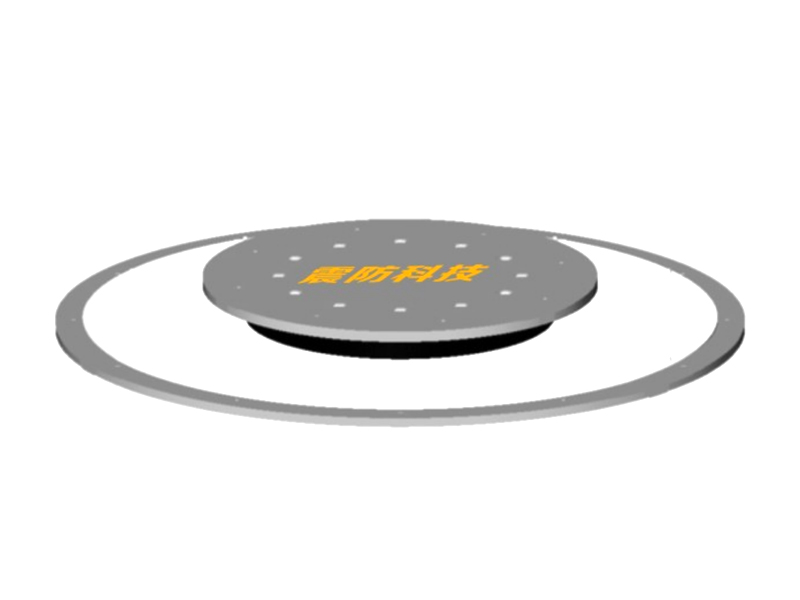
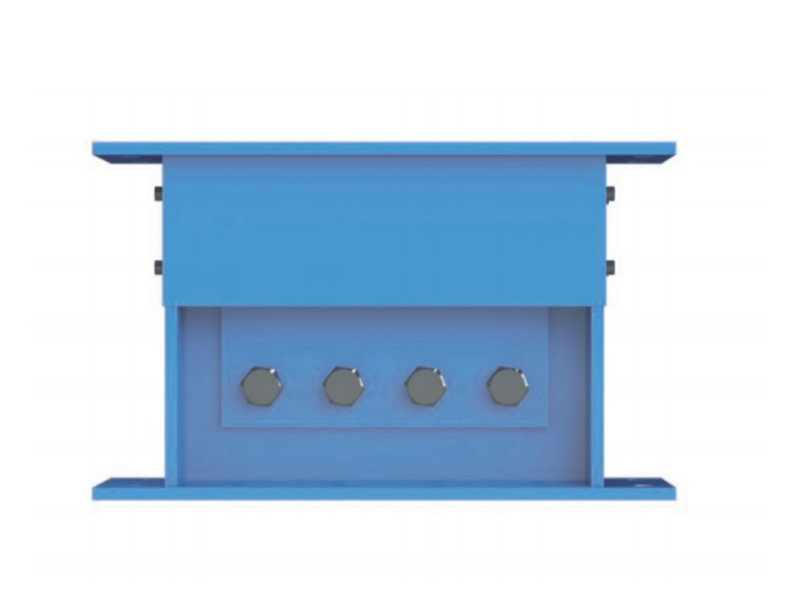
Friction pendulum system technology has emerged as a preferred solution for protecting buildings and infrastructure from earthquake damage through advanced base isolation. This engineering innovation operates on pendulum principles, utilizing a concave sliding surface to lengthen a structure's natural period and reduce seismic forces. When earthquake ground motions occur, a friction pendulum system allows the supported structure to move gently while the ground shifts beneath it, significantly decreasing the accelerations transmitted into the building above. The technology combines two essential functions in a single device: gravity provides a restoring force that returns the structure to its original position, while friction between the slider and concave surface dissipates seismic energy as heat. Engineers value friction pendulum systems for their predictable behavior, as the isolation period depends directly on the radius of curvature of the spherical surface, enabling precise tuning to site-specific conditions and structural requirements.
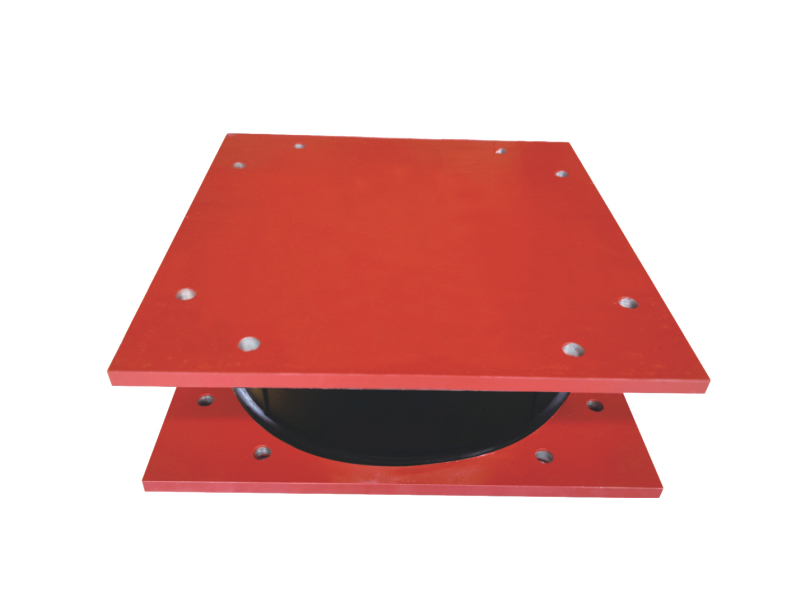
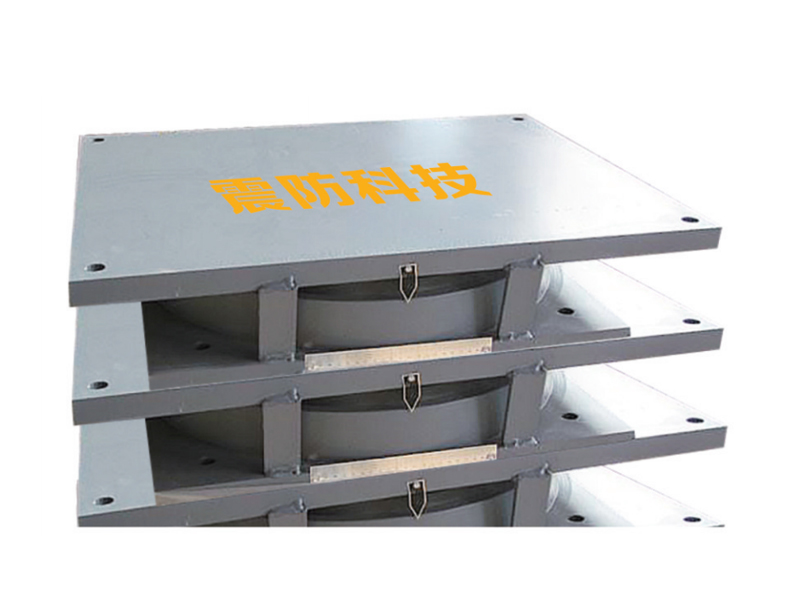
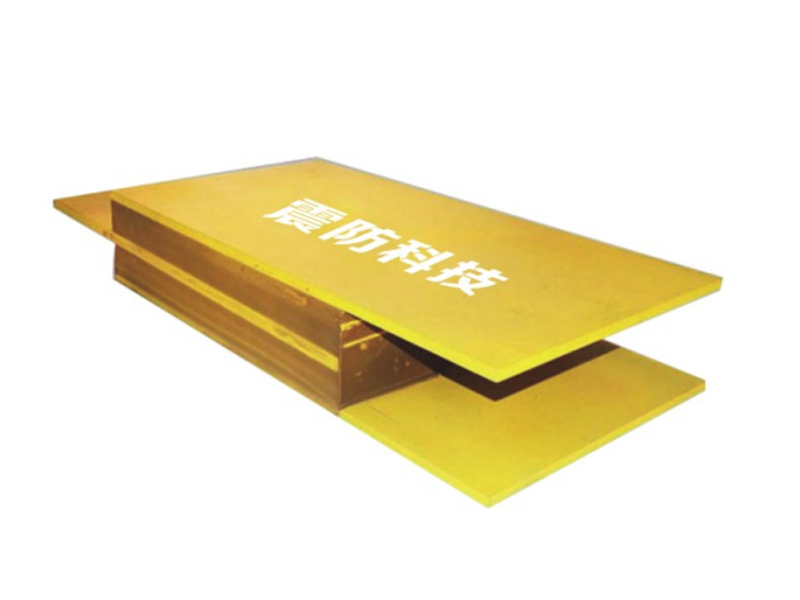
The mechanical configuration of a friction pendulum system typically includes a concave stainless steel spherical surface and an articulated slider faced with engineered bearing material. During seismic excitation, the slider travels across the concave surface, causing the supported structure to rise slightly as it moves laterally. This upward movement creates a restoring force proportional to the displacement, continuously working to center the structure after the earthquake passes. The friction generated at the sliding interface provides reliable energy dissipation throughout the displacement cycle, reducing vibrational energy without requiring supplemental damping devices. This integrated design simplifies installation and maintenance while ensuring consistent performance across a range of seismic intensities. The materials used in the sliding interface are carefully selected to maintain stable friction properties under varying pressures, velocities, and environmental conditions that may occur during the service life of the installation.
Manufacturing quality plays a critical role in the long-term reliability of friction pendulum systems. The concave surfaces must be fabricated to precise tolerances to ensure uniform curvature and consistent friction characteristics across every bearing in an installation. Each friction pendulum system typically undergoes comprehensive quality control testing to verify load capacity, friction properties, and displacement behavior before shipment to project sites. This rigorous approach to manufacturing ensures that the devices will perform as engineered when subjected to actual seismic events, providing dependable protection for hospitals, emergency response centers, museums, and other facilities that must remain operational after earthquakes. The durability of these systems has been confirmed through extensive laboratory testing and post-earthquake evaluations of structures equipped with friction pendulum isolation.
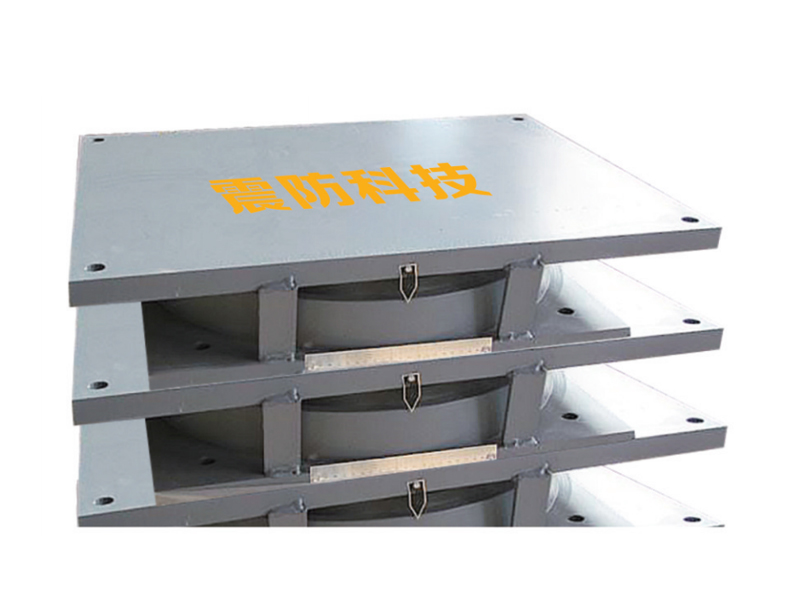
Ongoing research continues to refine friction pendulum system capabilities through advanced geometric configurations and improved sliding materials. Engineers have developed multi-spherical designs that exhibit different friction properties at various displacement levels, optimizing performance for both moderate shaking and severe earthquake events. These innovations expand the range of applications for friction pendulum technology while maintaining the fundamental benefits of pendulum-based isolation. Studies examining long-term material behavior help ensure that friction properties remain stable over decades of service, accounting for factors such as aging, contamination, and repeated minor movements that might occur during the life of a structure.
Friction pendulum systems have proven themselves essential tools for creating resilient communities in seismically active regions around the world. Their combination of reliable physics-based operation, proven durability, and design flexibility makes them attractive for new construction projects and seismic retrofitting applications alike. As urban populations continue growing in earthquake-prone areas, the adoption of verified protective technologies becomes increasingly important for public safety and community resilience. Friction pendulum systems will continue providing effective isolation for critical structures, helping communities maintain essential services and protect valuable assets when earthquakes occur.
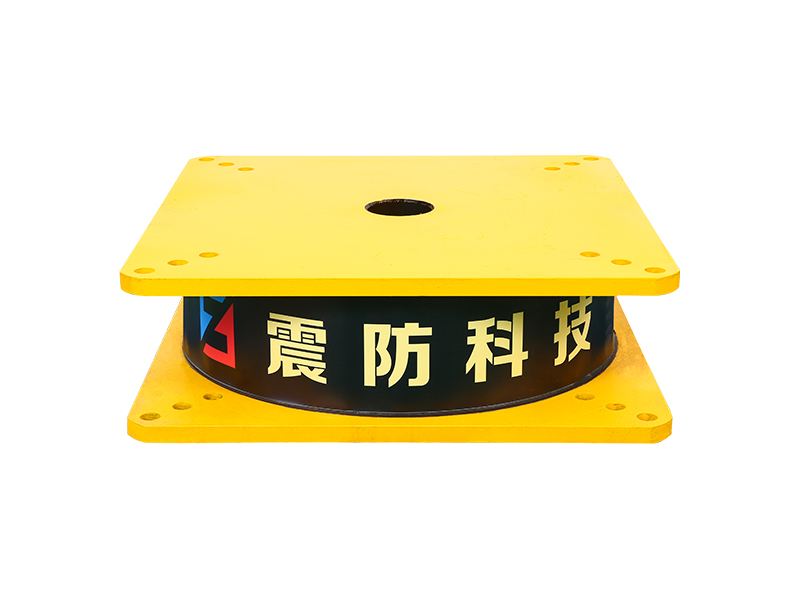
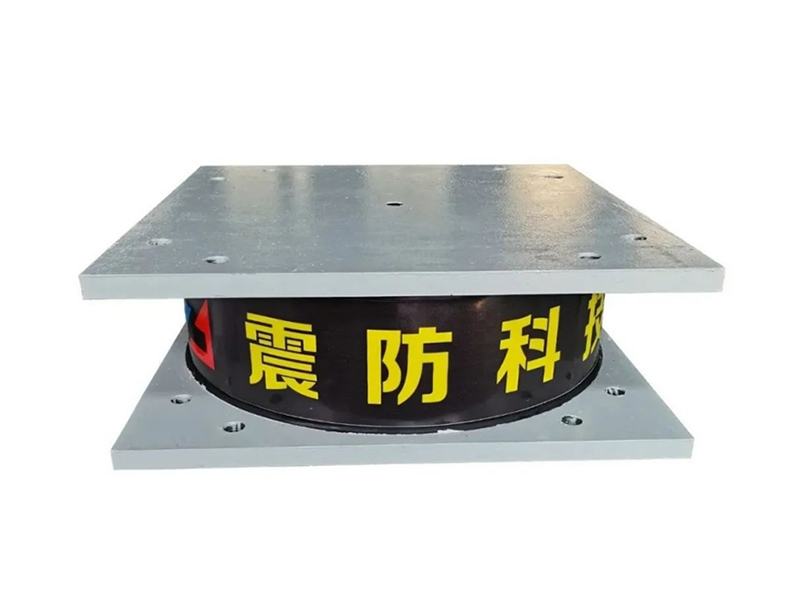
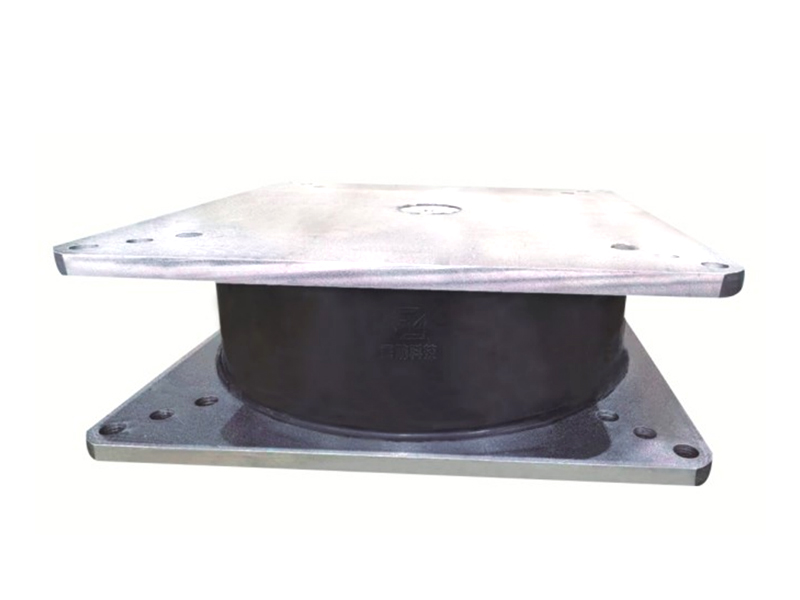

The company has been adhering to the corporate tenet of "quality first, customer first", and sincerely welcomes domestic and foreign customers to visit and guide.
GET A QUOTE
Add: No. 359 Guangming West Road, Sanmen County, Taizhou City, Zhejiang Province, China
International Trade Manager: Madison
Tel/Whatsapp:+86-17857335842
Copyright © Zhejiang Earthquake Prevention Technology Co., Ltd. All Rights Reserved.
