

 English
 日本語
日本語 русский
 简体中文
简体中文
The company has been adhering to the corporate tenet of "quality first, customer first", and sincerely welcomes domestic and foreign customers to visit and guide.
GET A QUOTE
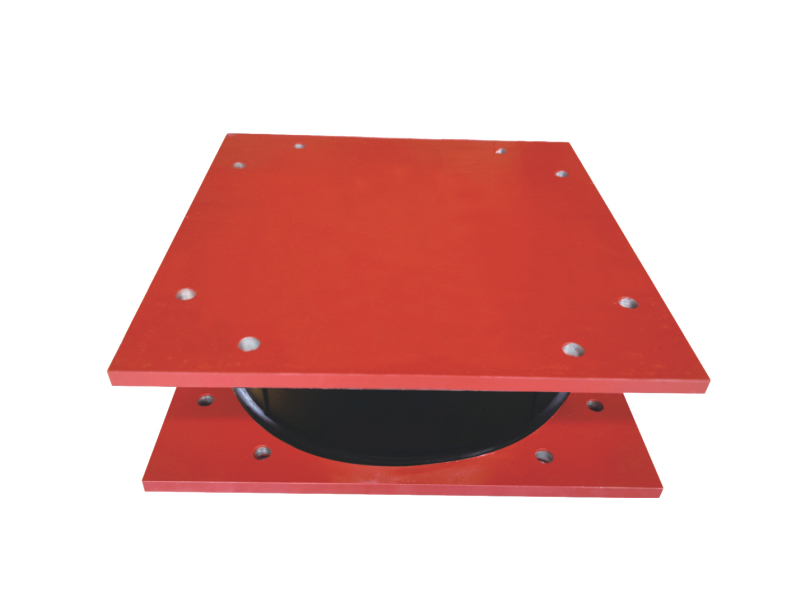
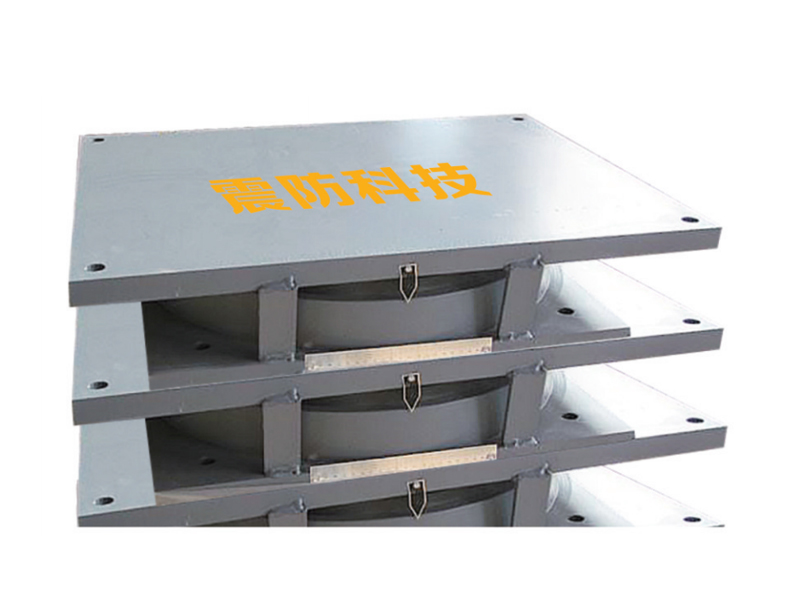
Ask what a seismic isolation device manufacturer actually sells, and the honest answer is rarely a single product. Laminated rubber bearings, friction pendulum systems, metal dampers, and viscous devices all reduce earthquake force reaching a structure, but they do it through different mechanics — and which one gets specified usually traces back to what the building is and how it needs to keep functioning after the shaking stops.
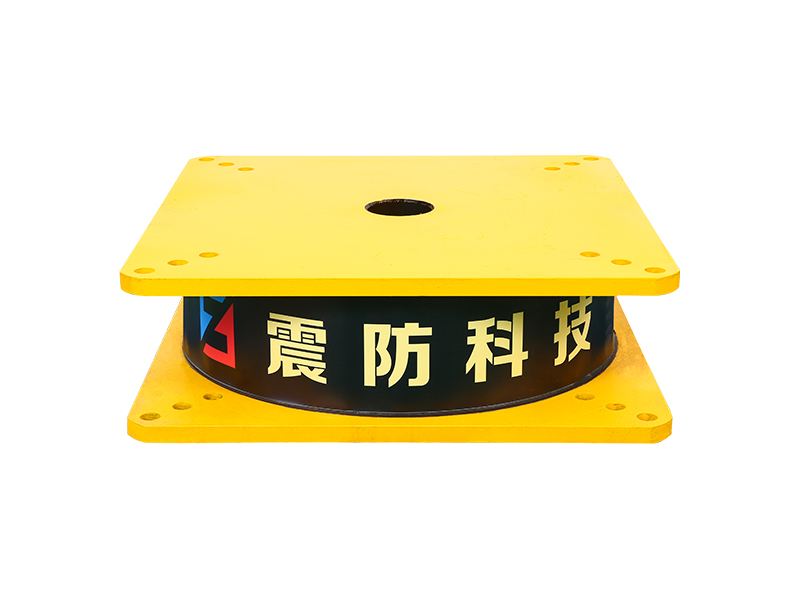
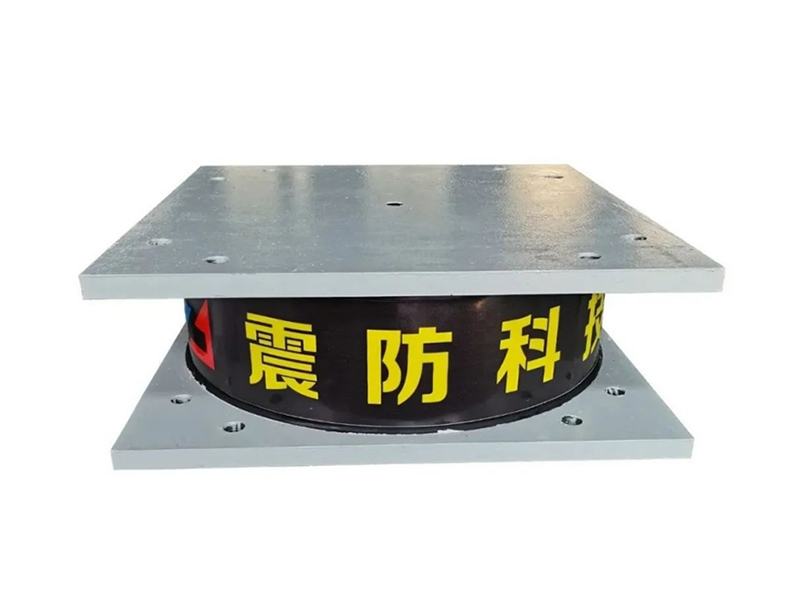
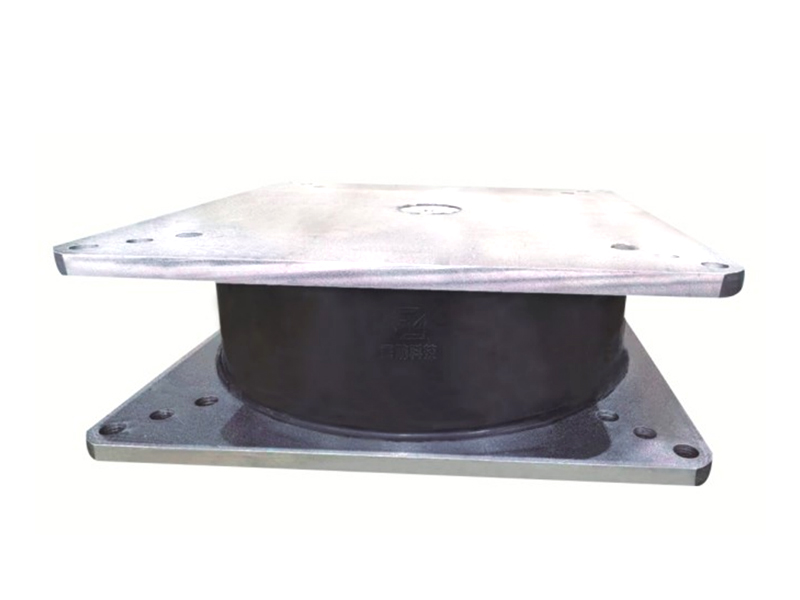
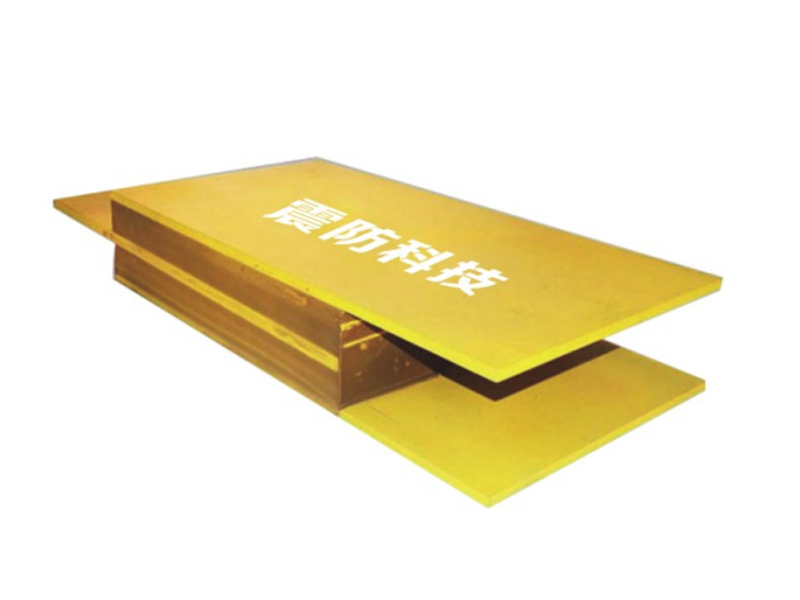
Large-span structures such as airport terminals present a specific engineering problem: wide roof spans and open floor plates that need to move as a coordinated unit during seismic activity rather than concentrating stress at isolated points. Projects in this category, including terminal structures at Ningbo Airport and Taizhou Luqiao Airport, typically call on the base-isolation side of a seismic isolation device manufacturer's product range — laminated rubber or lead-rubber bearings placed between the foundation and superstructure — rather than the damper-based devices better suited to retrofit or bracing applications.
Educational and healthcare facilities carry a requirement beyond simply avoiding structural collapse: staying operational, or close to it, immediately after an earthquake. Projects such as school and hospital buildings that have specified isolation bearings from this category generally do so because continued function matters as much as life safety — a hospital that survives an earthquake but cannot treat patients afterward has only partially met its design goal. This is one reason isolation bearing selection for these building types often prioritizes documented long-term durability over initial cost alone, and why a seismic isolation device manufacturer working across both education and healthcare projects tends to build a track record specifically around continuity of use rather than collapse prevention alone.

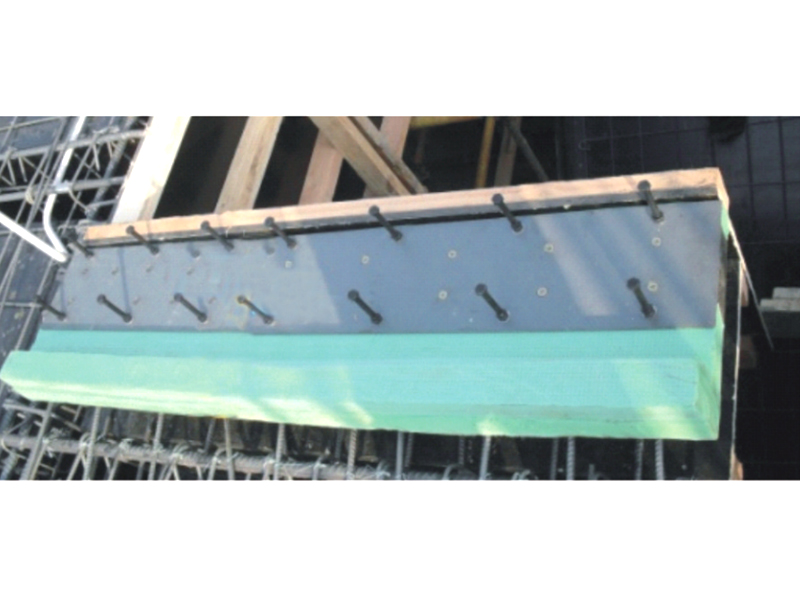
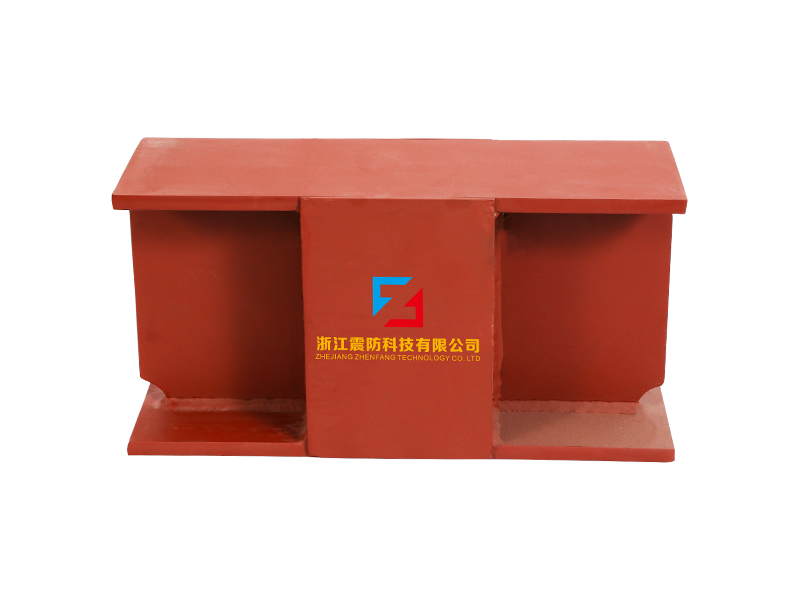
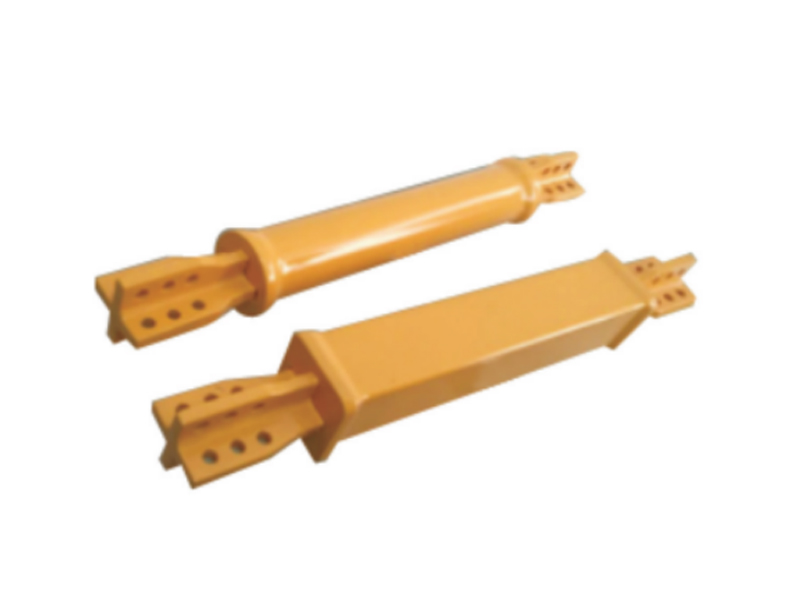
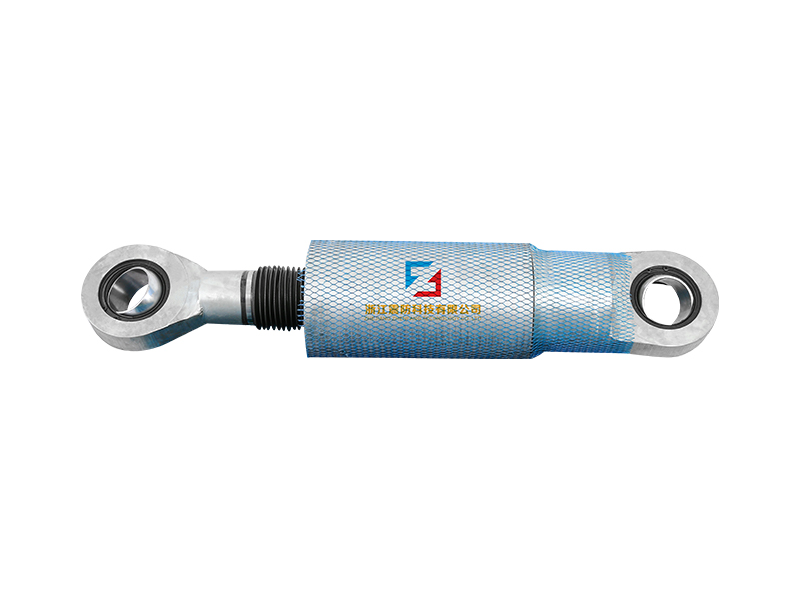
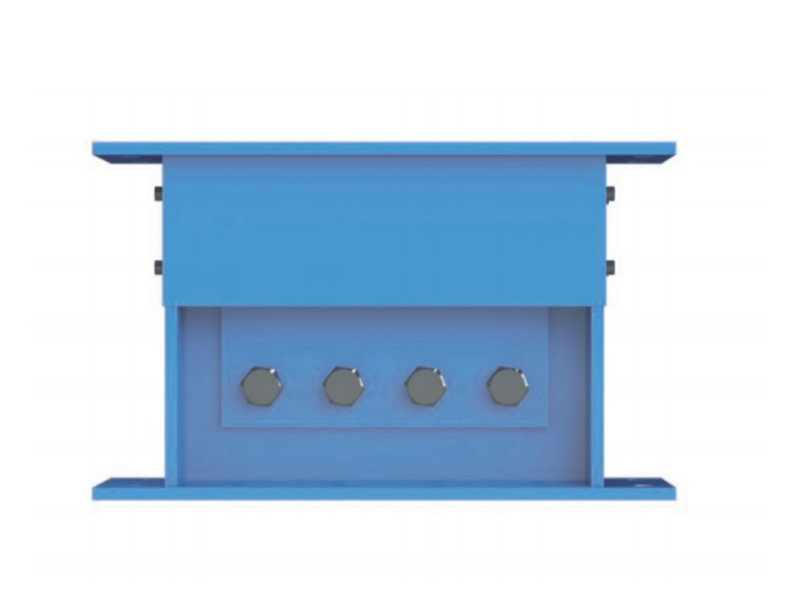
Not every project calls for base isolation. Metal dampers, buckling-restrained braces, and viscous or viscoelastic devices generally serve a different structural role — dissipating energy within the building's existing frame rather than decoupling the whole structure from the ground. A seismic isolation device manufacturer producing both isolation bearings and damping devices can support either approach, or a combination of the two, depending on whether a structural engineer's design calls for isolating the building or simply giving it more capacity to absorb motion internally.
Because these device categories solve different problems, matching a project to the right one generally starts with structural analysis rather than a catalog lookup. A seismic isolation device manufacturer with in-house engineering support can model expected building displacement and load conditions before recommending bearing diameter, damper type, or a combination approach, which reduces the risk of a mismatch between device capability and what the structure actually needs during an earthquake.
Isolation and damping products in this category are commonly manufactured to recognized standards such as EN15129, which sets performance and testing requirements for anti-seismic devices used in construction. For international buyers, a seismic isolation device manufacturer producing to this standard offers a common reference point for comparing performance data across suppliers, rather than relying solely on marketed specifications that may not follow a shared testing methodology.
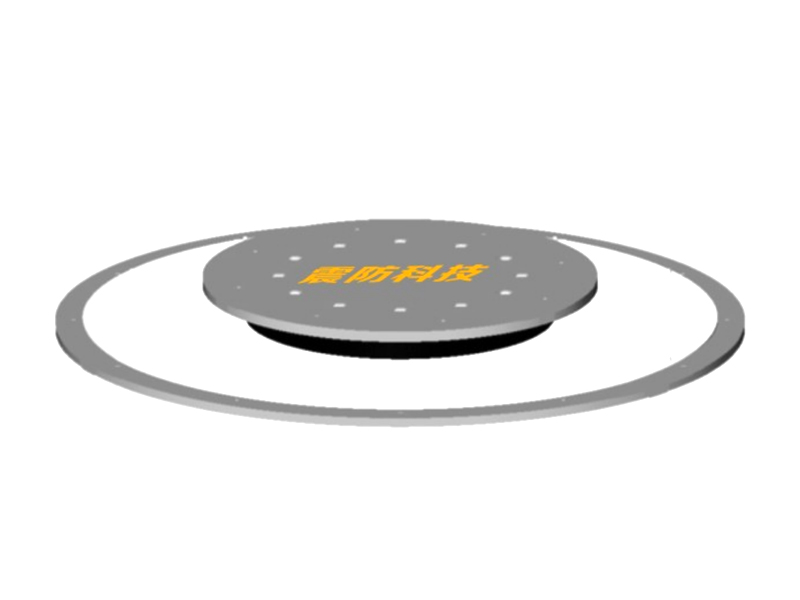
For structural engineers and project developers evaluating suppliers, useful comparison points include which device categories a manufacturer produces in-house versus sources externally, whether structural analysis and design support are offered alongside the physical product, documented project history across comparable building types, and adherence to recognized testing standards. Zhejiang Earthquake Prevention Technology Co., Ltd., based in Sanmen County, Zhejiang, and supported by a technical team connected to the Institute of Engineering Mechanics of the China Earthquake Administration, produces both isolation bearings and damping devices across projects spanning airports, schools, and hospitals. For buyers coordinating multiple device categories on one project, working with a single seismic isolation device manufacturer across bearings and dampers can simplify both engineering coordination and long-term maintenance planning compared with sourcing each category from a different supplier.

The company has been adhering to the corporate tenet of "quality first, customer first", and sincerely welcomes domestic and foreign customers to visit and guide.
GET A QUOTE
Add: No. 359 Guangming West Road, Sanmen County, Taizhou City, Zhejiang Province, China
International Trade Manager: Madison
Tel/Whatsapp:+86-17857335842
Copyright © Zhejiang Earthquake Prevention Technology Co., Ltd. All Rights Reserved.
