

 English
 日本語
日本語 русский
 简体中文
简体中文
The company has been adhering to the corporate tenet of "quality first, customer first", and sincerely welcomes domestic and foreign customers to visit and guide.
GET A QUOTE
A seismic isolation bearing is placed at the structural base level, but site conditions are never completely identical. Even when drawings are the same, the installation results of seismic isolation bearing can differ slightly from one support to another. This is often related to leveling, surface condition, or small deviations during positioning, although not always recorded in detail.
On some bridges, technicians may note that seismic isolation bearing units do not sit at exactly the same elevation after installation. It is usually corrected during adjustment, but in some cases it remains within acceptable tolerance without correction.
There are also situations where the seismic isolation bearing shows slightly different initial stiffness when loaded. This is observed in early-stage checks and sometimes disappears after a few loading cycles.
When lateral movement begins, the seismic isolation bearing does not respond in a suitable, synchronized way across all supports. Some bearings start moving earlier, others slightly later. This is more obvious in irregular bridge layouts or where pier stiffness is not consistent.
During seismic excitation, seismic isolation bearing allows horizontal displacement while maintaining vertical load capacity. The movement is not always smooth in recorded data; small fluctuations appear in displacement curves, especially during peak acceleration.
Energy dissipation happens inside the seismic isolation bearing, but in field observation, it does not always look identical between cycles. Some cycles show stronger damping, others appear less stable, depending on the loading path.
In a few cases, seismic isolation bearing at one support may temporarily take more movement than adjacent units. This is usually redistributed later as vibration reduces, but during the peak stage, the imbalance is visible.
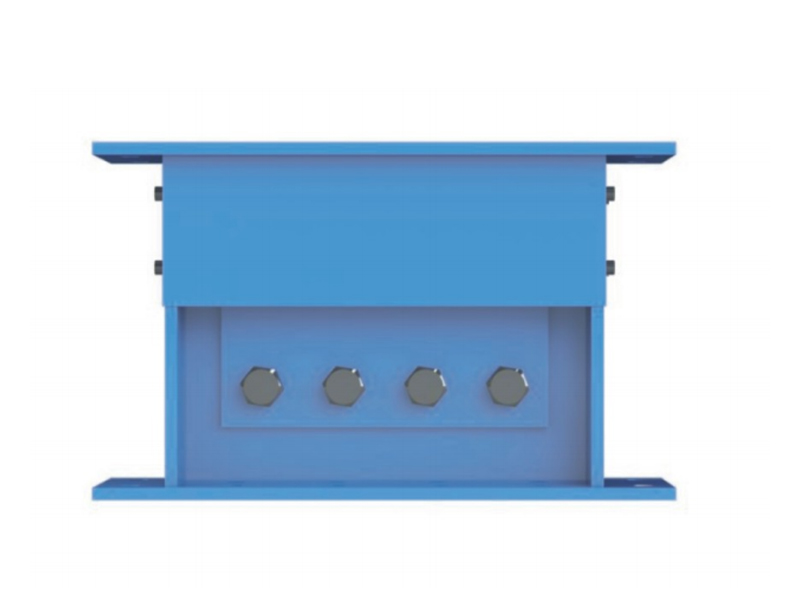
In real structures, seismic isolation bearing is influenced by the whole system, not only local loading. Pier stiffness, deck continuity, and foundation conditions all affect how the seismic isolation bearing behaves during dynamic events.
Field monitoring data sometimes shows uneven displacement among seismic isolation bearing units under similar loading conditions. This is usually not treated as abnormal unless the difference becomes large.
Temperature variation also plays a small role. In some low-temperature conditions, seismic isolation bearing appears slightly stiffer at the initial movement stage. This effect is usually temporary and reduces once motion continues.
It is also observed that seismic isolation bearing response during small earthquakes is not always aligned with simulation results. Engineers often note this but do not adjust the design immediately unless the trend becomes consistent.
Over longer service periods, seismic isolation bearing may show subtle changes in behavior. These changes are gradual and usually identified only through comparison of monitoring data over time.
Some inspection records show that seismic isolation bearing units do not age uniformly across the structure. Differences are usually small, but visible when comparing multiple supports side by side.
In long-span bridges, multiple seismic isolation bearing units work together, but load sharing is not equally suitable at all times. Redistribution happens continuously during movement.
Maintenance reports often focus on overall system condition rather than individual seismic isolation bearing behavior, because single-unit interpretation is not always representative.
From a practical engineering perspective, seismic isolation bearing works as intended in many cases, but real behavior includes variation between units and conditions. This variation is part of the normal system response rather than an exception.
Because of this, evaluation usually focuses on global structural behavior instead of analyzing each seismic isolation bearing individually. This approach matches what is commonly seen in field monitoring and inspection practice.
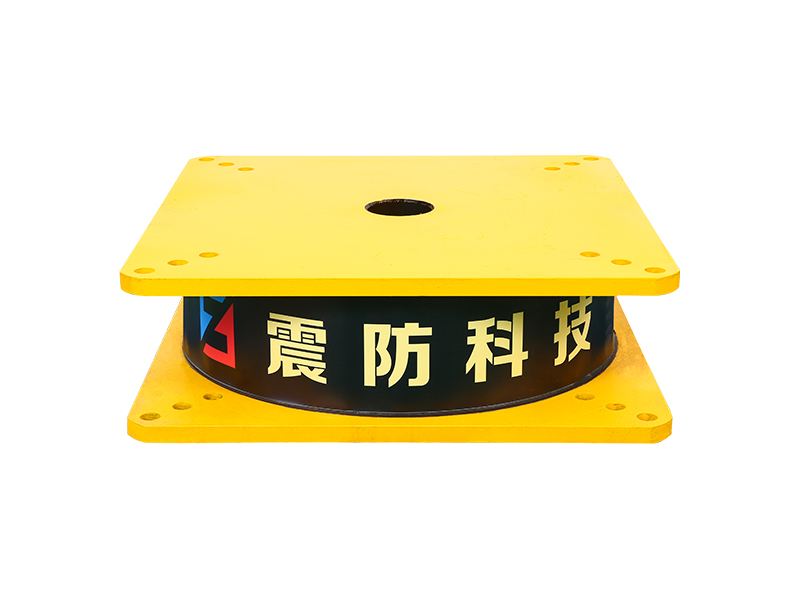
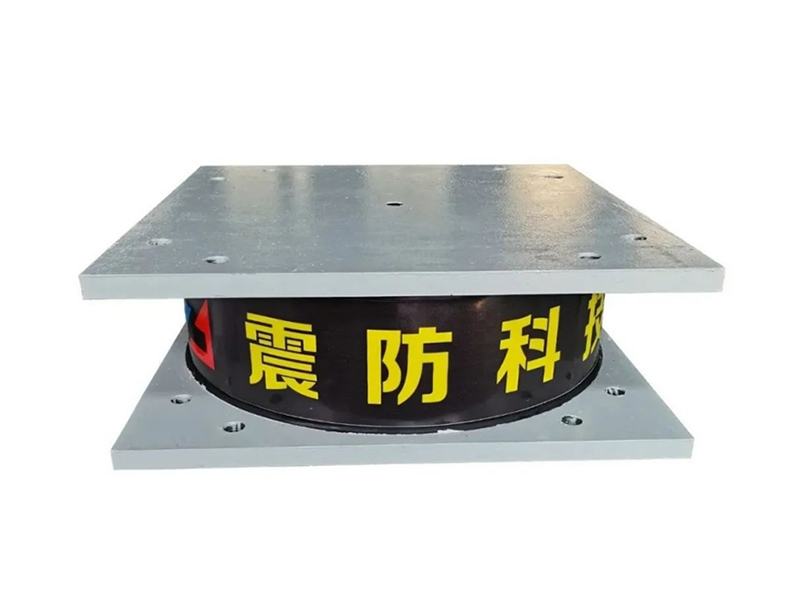
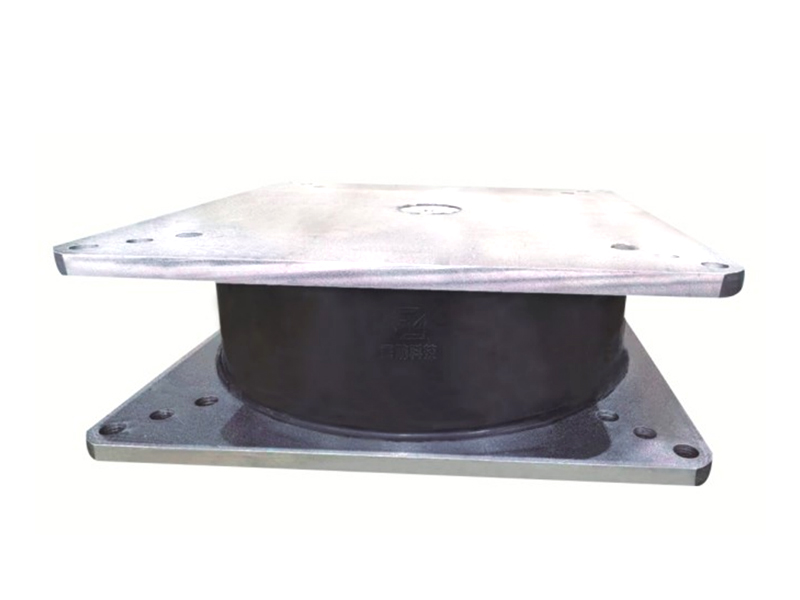

The company has been adhering to the corporate tenet of "quality first, customer first", and sincerely welcomes domestic and foreign customers to visit and guide.
GET A QUOTE
Add: No. 359 Guangming West Road, Sanmen County, Taizhou City, Zhejiang Province, China
International Trade Manager: Madison
Tel/Whatsapp:+86-17857335842
Copyright © Zhejiang Earthquake Prevention Technology Co., Ltd. All Rights Reserved.
