

 English
 日本語
日本語 русский
 简体中文
简体中文
The company has been adhering to the corporate tenet of "quality first, customer first", and sincerely welcomes domestic and foreign customers to visit and guide.
GET A QUOTE
Two buildings may use the same seismic isolation design, yet after years of operation their bearing conditions can look surprisingly different.
Engineers sometimes notice that certain lead rubber bearing systems installed near coastal regions show earlier surface aging, seal deterioration, or corrosion around connecting components compared with similar installations farther inland.
The difference is usually not caused by earthquakes.
In many cases, the surrounding environment slowly changes how the isolation system behaves long before major seismic movement ever occurs.
Actually, some long-term performance issues begin with moisture and salt exposure rather than structural loading itself.
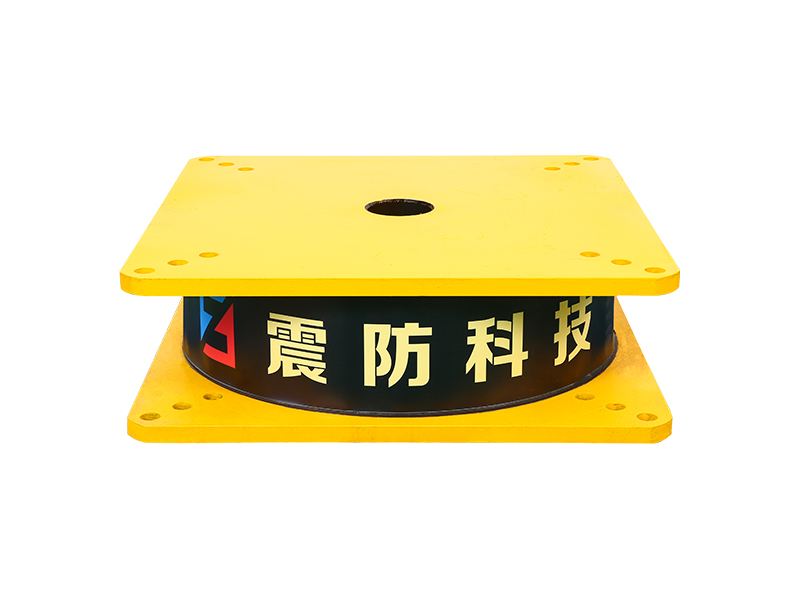
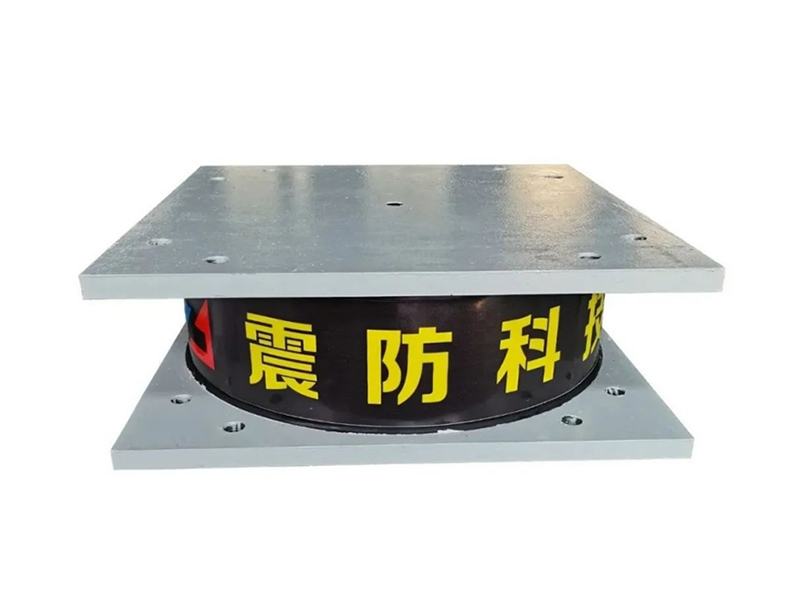
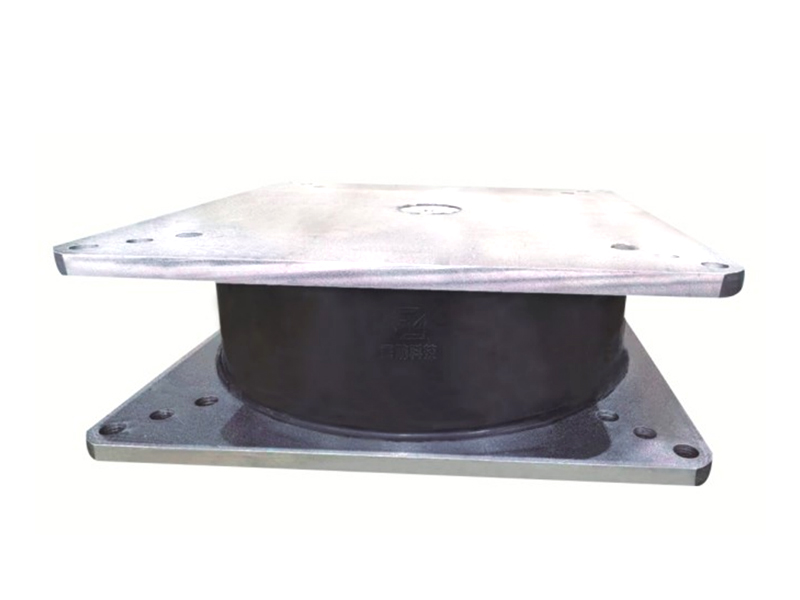
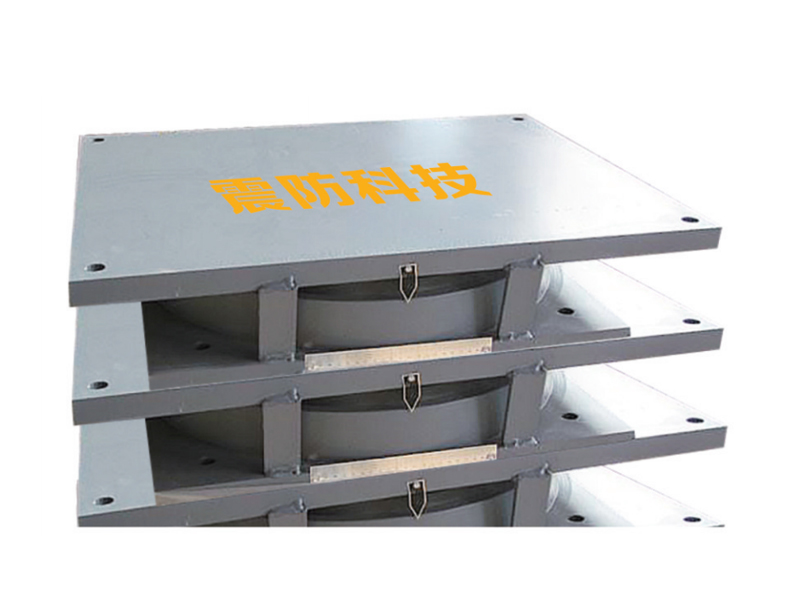
When people think about a lead rubber bearing, they often focus mainly on the rubber layers and lead core.
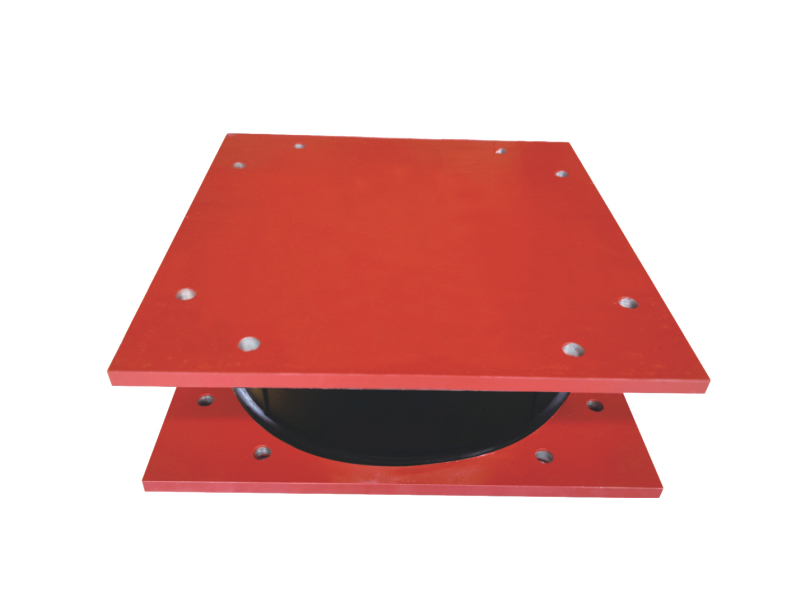
On real projects, however, external steel plates, anchor assemblies, and connecting hardware remain continuously exposed to environmental conditions beneath the structure. In coastal regions, airborne salt particles gradually settle into these areas even without direct seawater contact.
Over time, this may affect:
Actually, corrosion sometimes develops fastest in locations where airflow becomes trapped rather than where rain exposure is highest.
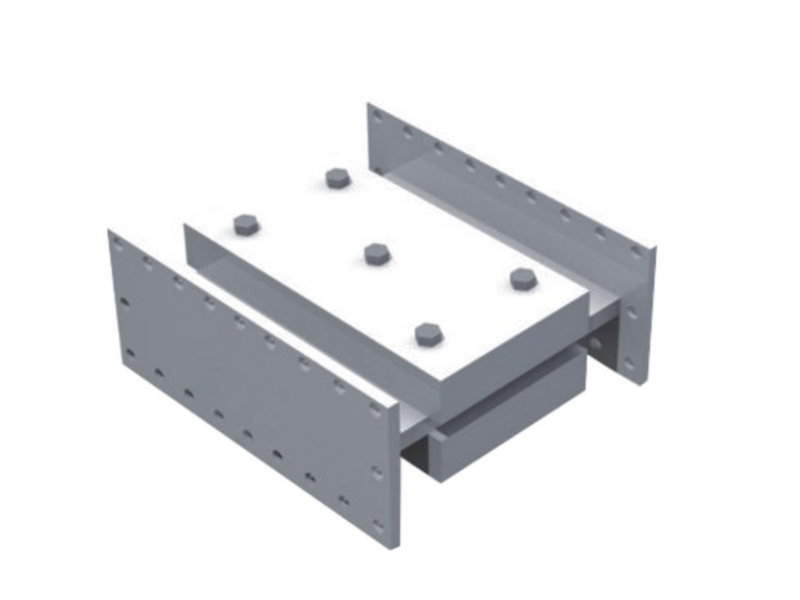
A lead rubber bearing constantly experiences small expansion and contraction cycles caused by daily and seasonal temperature changes.
Near coastal environments, humidity levels remain relatively high for long periods, which can influence how heat transfers through the bearing assembly itself. Engineers pay attention to this because rubber materials gradually respond to environmental aging differently under combined moisture and temperature exposure.
This becomes especially noticeable in:
Actually, environmental fatigue usually develops far more slowly than seismic damage, making it harder to detect during routine inspections.
One detail often underestimated in seismic isolation projects is drainage.
A lead rubber bearing installed beneath a structure may sit in partially enclosed zones where water movement becomes restricted. If moisture remains trapped around the bearing base repeatedly, surrounding steel components can age faster even when the bearing itself still performs structurally.
Experienced engineers therefore often check:
Actually, some maintenance teams discover early corrosion not because of bearing failure, but because blocked drainage changed the local environment around the support system.
Although much of a lead rubber bearing remains protected beneath structures, exposed edge areas may still receive indirect sunlight over long periods.
Ultraviolet exposure gradually affects certain rubber surfaces, especially where protective layers become worn or damaged during years of operation. In coastal regions, UV exposure combined with salt air creates a more aggressive aging environment than many inland installations experience.
This sometimes leads to:
Actually, visible surface aging does not always indicate internal structural failure, but it often signals changing environmental conditions around the isolation system.
Early in a project, many lead rubber bearing systems appear visually clean and uniform.
Ten or fifteen years later, inspection conditions become much more important than many owners originally expect. Bearings installed in narrow spaces or poorly ventilated support zones are often harder to evaluate properly during long-term maintenance programs.
That is one reason experienced designers sometimes think about future inspection access during the original layout stage rather than focusing only on seismic calculations.
Actually, maintenance practicality often becomes more valuable decades later than small differences in installation convenience during construction.
To outside observers, a lead rubber bearing mainly appears to function only during earthquakes.
Inside structural engineering, however, the bearing spends nearly its entire service life supporting static building loads while exposed to changing environmental conditions every single day. Moisture, salt air, temperature cycling, and drainage behavior quietly influence how surrounding components age over time.
The difficult part is not only surviving seismic movement.
It is maintaining stable long-term performance after years of environmental exposure beneath real operating structures where conditions are rarely as controlled as laboratory testing environments.

The company has been adhering to the corporate tenet of "quality first, customer first", and sincerely welcomes domestic and foreign customers to visit and guide.
GET A QUOTE
Add: No. 359 Guangming West Road, Sanmen County, Taizhou City, Zhejiang Province, China
International Trade Manager: Madison
Tel/Whatsapp:+86-17857335842
Copyright © Zhejiang Earthquake Prevention Technology Co., Ltd. All Rights Reserved.
