

 English
 日本語
日本語 русский
 简体中文
简体中文
The company has been adhering to the corporate tenet of "quality first, customer first", and sincerely welcomes domestic and foreign customers to visit and guide.
GET A QUOTE
When engineers review seismic isolation projects, displacement is usually one of the numbers discussed.
However, another topic often appears during design meetings, simulation reviews, and post-earthquake assessments: where the structure ends up after the movement has finished.
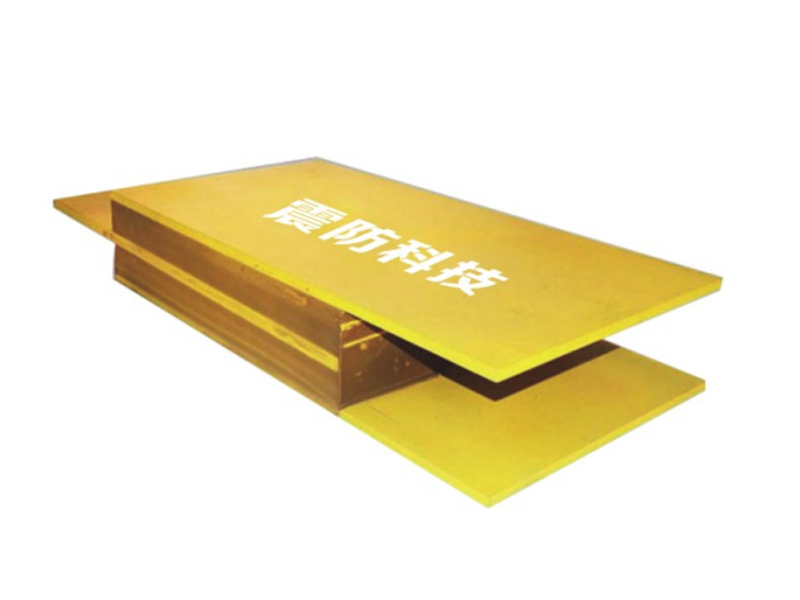
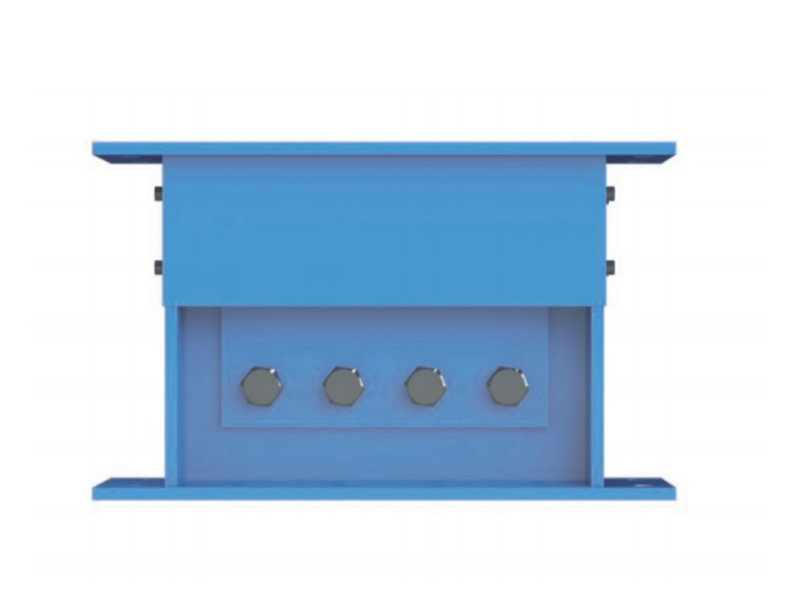
That discussion is one reason a friction pendulum slider continues to attract attention beyond its ability to accommodate displacement during seismic events.
In practice, engineers are often interested not only in how a structure moves, but also in how it settles once the major motion has passed.
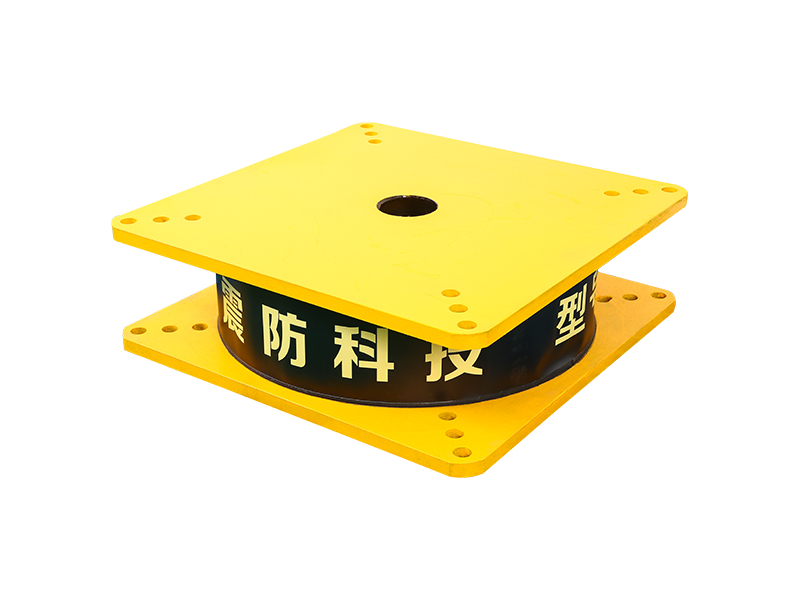
After Movement Stops, The Bearing Is Still Working
During project reviews, engineers sometimes spend more time discussing the period after displacement than the displacement itself.
A friction pendulum slider may allow the structure to move during seismic loading, but once the movement begins to reduce, the shape of the sliding surface starts influencing what happens next.
On some simulation reports, two isolation systems can show similar peak displacement results while producing different residual positions afterward. That difference is one reason designers pay attention not only to how far a structure can move, but also how it settles once the main motion has passed.
For building owners, this may seem like a small detail. For engineers planning post-earthquake inspection and recovery procedures, it often becomes part of the discussion much earlier in the design phase.
Residual Displacement Often Appears In Technical Discussions
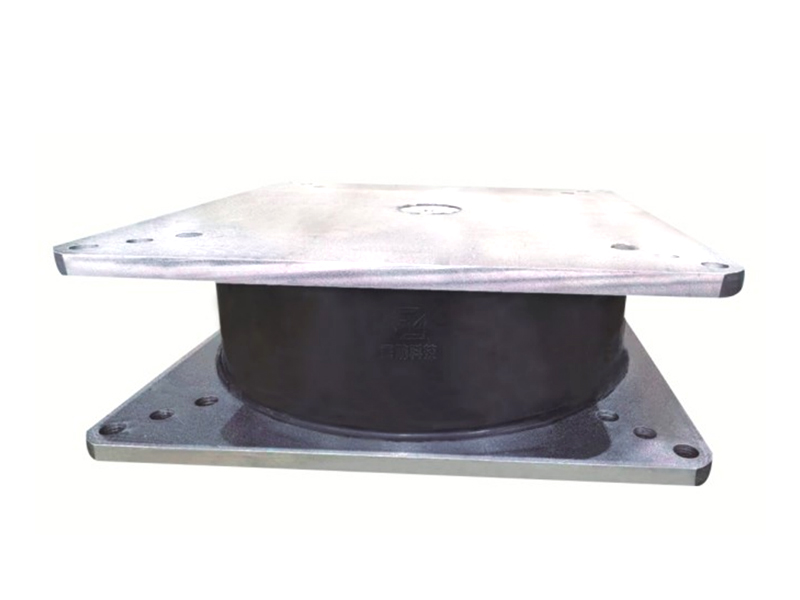
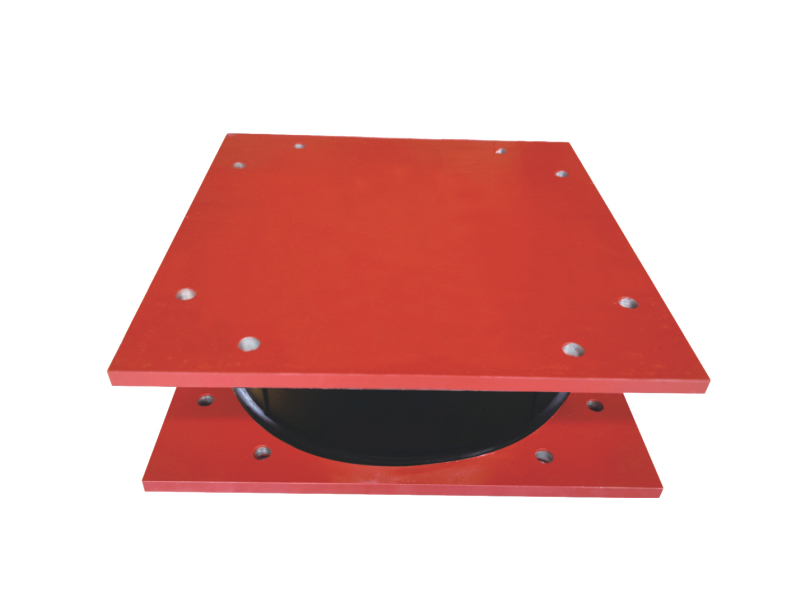
A friction pendulum slider is designed to combine controlled sliding with a restoring mechanism created by its curved surface.
Because of this, engineers frequently evaluate residual displacement when reviewing isolation performance. The concern is not necessarily whether the structure moved during an earthquake — movement is expected. The question is how much displacement remains after the shaking reduces.
In large facilities such as hospitals, transportation hubs, or emergency response centers, this topic sometimes receives additional attention because operational recovery may become part of the overall project requirements.
Actually, the conversation is often less about full movement and more about what conditions engineers may encounter during inspection afterward.
Simulation Models Reveal Interesting Differences
Modern seismic projects rely heavily on analysis and modeling before construction begins.
When engineers compare different friction pendulum slider configurations, they often discover that systems with similar displacement capacities can behave differently once ground motion starts decreasing.
This does not automatically make one solution better than another. Instead, it helps engineers understand how design choices may influence the overall response of the structure.
In many cases, the discussion focuses on behavior throughout the entire motion history rather than a single peak value appearing in a calculation report.
That broader perspective often provides more useful information when evaluating how the isolation system will perform in real-world conditions.
Inspection Teams Look At More Than Surface Condition
Years after installation, a friction pendulum slider becomes part of the long-term monitoring strategy for many structures.
During inspections, engineers are not only checking visible components. They are also reviewing movement records, maintenance observations, and performance data collected over time.
These records help build a clearer picture of how the isolation system has interacted with the structure throughout its service life.
Sometimes the multiple valuable information comes not from a major seismic event, but from years of routine monitoring that reveal how the system behaves under normal operating conditions.
Recovery Planning Starts Before An Earthquake
A friction pendulum slider is often associated with earthquake protection, but many engineering discussions take place long before any seismic event occurs.
Design teams, building owners, and structural specialists frequently evaluate how the structure may be inspected, assessed, and returned to operation after future movement occurs.
That planning process naturally leads to questions about displacement history, restoring behavior, and post-event conditions.
For this reason, re-centering remains a recurring topic whenever engineers examine the long-term performance of a friction pendulum slider system.
The difficult part is not simply allowing movement during an earthquake.
It is understanding how the structure is likely to behave once the movement begins to slow and the recovery process starts.

The company has been adhering to the corporate tenet of "quality first, customer first", and sincerely welcomes domestic and foreign customers to visit and guide.
GET A QUOTE
Add: No. 359 Guangming West Road, Sanmen County, Taizhou City, Zhejiang Province, China
International Trade Manager: Madison
Tel/Whatsapp:+86-17857335842
Copyright © Zhejiang Earthquake Prevention Technology Co., Ltd. All Rights Reserved.
