

 English
 日本語
日本語 русский
 简体中文
简体中文
The company has been adhering to the corporate tenet of "quality first, customer first", and sincerely welcomes domestic and foreign customers to visit and guide.
GET A QUOTE
Bridge engineers evaluating seismic protection systems for new construction and retrofit projects face a range of bearing configurations, and material composition often gets less attention than general bearing geometry during initial design discussions. A natural rubber isolation bearing built with carefully compounded rubber layers offers distinct performance characteristics compared with alternative isolation technologies, and understanding those characteristics helps engineers match bearing selection to a bridge's specific loading and displacement requirements.
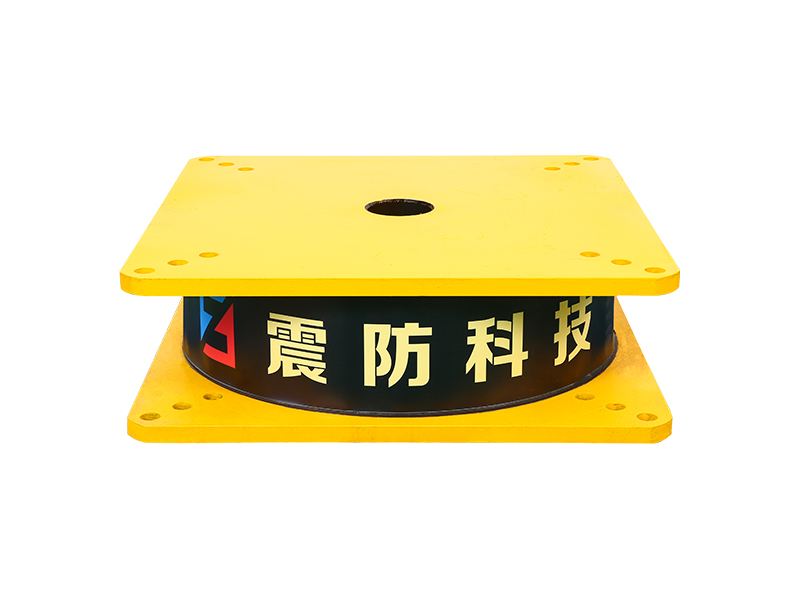
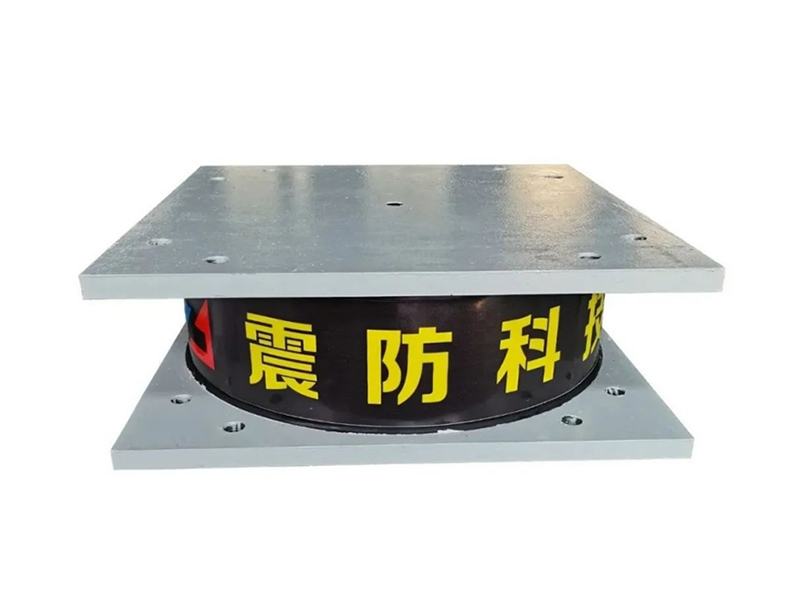
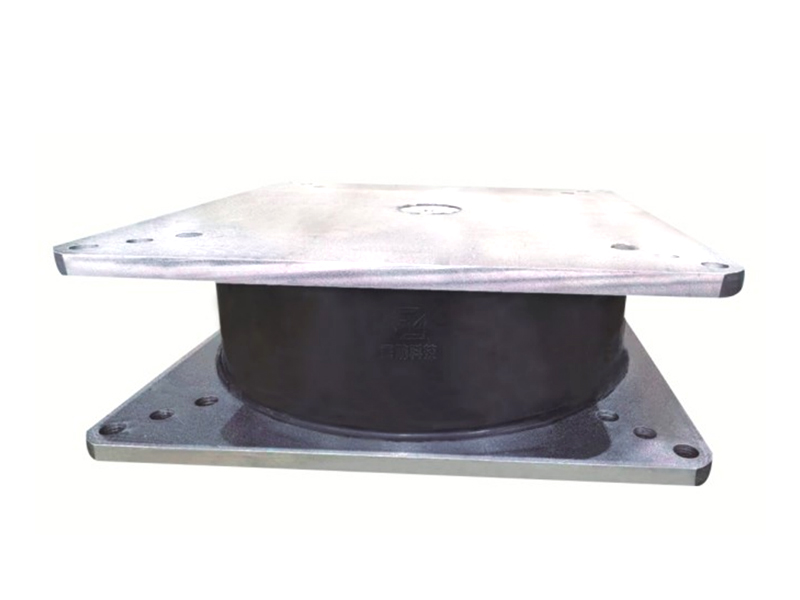
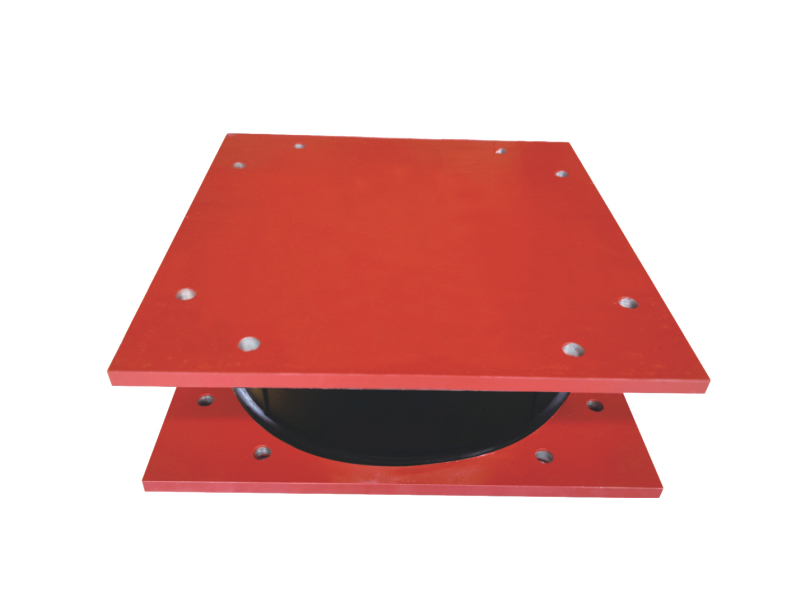
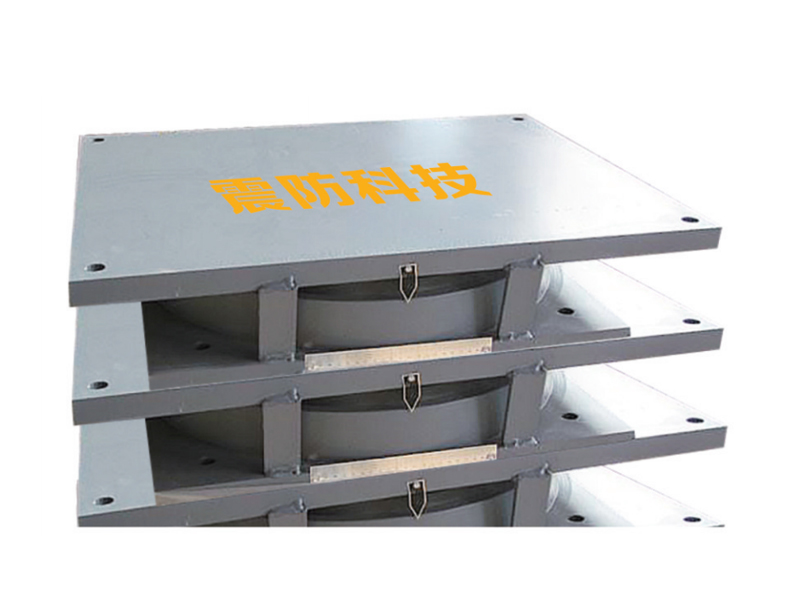
A natural rubber isolation bearing typically consists of alternating layers of rubber and thin steel reinforcing plates bonded together during vulcanization, a construction method that produces high vertical stiffness to support the structure's weight while allowing significant horizontal flexibility to accommodate seismic displacement. The steel plates prevent the rubber layers from bulging excessively under vertical load, since unreinforced rubber alone would compress and deform in ways that compromise the bearing's ability to reliably support structural weight over decades of service.
Steel plate reinforcement thickness and spacing between rubber layers directly affect the balance between vertical stiffness and horizontal flexibility, and engineers designing bearings for heavier structures specify thicker or more closely spaced reinforcement plates to maintain adequate vertical load capacity without sacrificing the horizontal flexibility that gives the bearing its seismic isolation function. Manufacturers producing custom-configured bearings for specific bridge projects run structural analysis matching plate configuration to the project's documented vertical load requirements before finalizing bearing dimensions.
Natural rubber compound formulation affects both the bearing's stiffness properties and its inherent damping capacity, since different compound additives shift the material's hysteretic damping behavior during cyclic loading. A natural rubber isolation bearing compounded with specific filler materials achieves higher inherent damping than a purely elastic natural rubber formulation, reducing the peak displacement a structure experiences during seismic loading without requiring supplemental damping devices installed separately from the isolation bearing itself.
Compound aging characteristics matter significantly for bridge applications, since these bearings need to maintain consistent performance across decades of environmental exposure, including temperature cycling, ultraviolet exposure, and ozone contact that could gradually degrade rubber material properties if compound formulation lacks adequate stabilizing additives. Manufacturers testing compound durability run accelerated aging protocols simulating years of environmental exposure, confirming stiffness and damping properties remain within acceptable tolerance ranges after extended simulated service life.
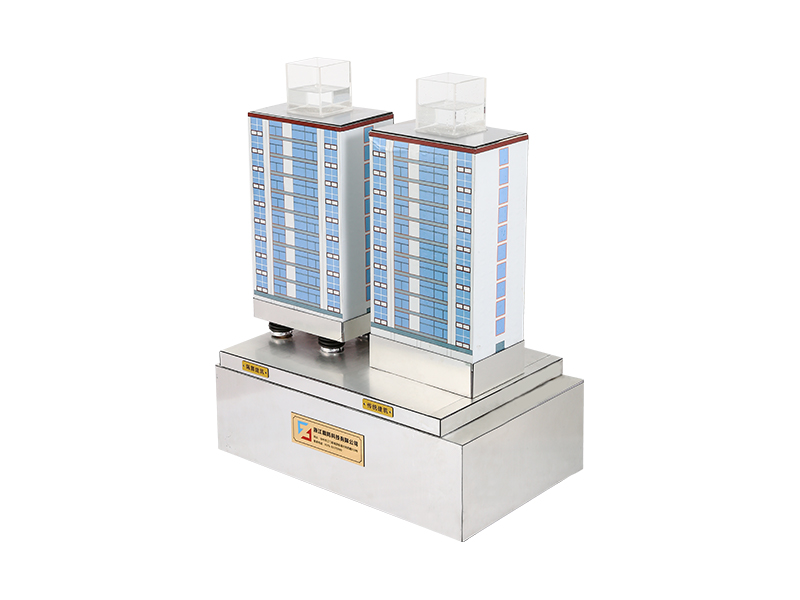
The bond between rubber layers and internal steel reinforcing plates represents a critical failure point requiring rigorous quality control during manufacturing, since bond delamination under sustained loading could compromise the bearing's structural integrity and seismic performance. Factories producing a natural rubber isolation bearing run bond strength testing on production samples, checking adhesion between rubber and steel interfaces against lower strength requirements before releasing completed bearings for shipment to bridge construction sites.
Vulcanization process control during manufacturing directly affects bond quality, since inconsistent temperature or pressure during the bonding process produces weak spots within an otherwise structurally sound bearing that only become apparent under sustained loading conditions the bearing experiences after installation. Quality control protocols increasingly include ultrasonic testing of finished bearings, detecting internal bonding defects that visual inspection alone would miss before a bearing ships for installation.
Bridge structures vary considerably in weight, span length, and expected seismic displacement, and matching natural rubber isolation bearing dimensions to a specific bridge's documented requirements involves balancing bearing diameter, height, and internal layer configuration against the structural loads and displacement demands the project's seismic analysis identifies. Undersized bearings risk excessive stress concentration during peak seismic loading, while oversized bearings add unnecessary material cost and installation complexity without providing proportional performance benefit for a given bridge's actual structural requirements.
Bridge authorities managing installed isolation systems increasingly schedule periodic visual and instrumented inspection of bearing condition, checking for signs of rubber degradation, bond separation, or excessive deformation that could indicate developing performance issues well before a bearing approaches the end of its designed service life, giving maintenance teams adequate time to plan bearing replacement during scheduled maintenance windows rather than responding to an unexpected failure discovered during routine bridge inspection.
Replacement planning for a natural rubber isolation bearing approaching the end of its service life requires coordination between structural engineers and maintenance crews, since removing and replacing a bearing supporting an active bridge structure demands temporary load transfer arrangements that keep the bridge operational or safely closed during the replacement procedure. Bridge authorities increasingly build bearing replacement provisions into the original structural design, incorporating jacking points and access clearances that simplify future bearing replacement work rather than treating eventual replacement as an afterthought addressed only once a bearing's condition demands urgent attention decades after the bridge's original construction.

The company has been adhering to the corporate tenet of "quality first, customer first", and sincerely welcomes domestic and foreign customers to visit and guide.
GET A QUOTE
Add: No. 359 Guangming West Road, Sanmen County, Taizhou City, Zhejiang Province, China
International Trade Manager: Madison
Tel/Whatsapp:+86-17857335842
Copyright © Zhejiang Earthquake Prevention Technology Co., Ltd. All Rights Reserved.
