

 English
 日本語
日本語 русский
 简体中文
简体中文
The company has been adhering to the corporate tenet of "quality first, customer first", and sincerely welcomes domestic and foreign customers to visit and guide.
GET A QUOTE
A natural rubber bearing is often discussed in terms of material properties, load capacity, or flexibility. Yet on many bridge and structural projects, engineers spend just as much time looking at something much simpler — the shape of the bearing itself.
Two bearings may be manufactured from similar rubber compounds and installed under similar loads, but their behavior can differ significantly if their dimensions, layer arrangement, or geometric proportions are different.
This becomes particularly interesting because shape influences performance long before the material reaches its design limits.
Actually, many engineering discussions about bearings begin with geometry rather than rubber.
Height And Width Affect Movement Differently
A natural rubber bearing works by deforming under load while supporting the structure above it.
The relationship between height and width plays a major role in how that deformation occurs. A taller bearing generally allows more flexibility, while a wider bearing often provides greater resistance to certain types of movement.
Engineers do not simply select the largest bearing available. Instead, they evaluate how the proportions of the bearing interact with the expected movement of the bridge or structure.
On some projects, changing the bearing dimensions slightly can alter how forces are distributed through the supporting system.
This is one reason bearing geometry is usually reviewed alongside load calculations during the design process.
The Same Load Can Produce Different Results
A natural rubber bearing supporting a bridge girder behaves differently from one carrying a building column, even when the vertical load appears similar.
The reason is that load direction matters just as much as load magnitude.
Some structures experience gradual thermal movement throughout the year. Others face repeated traffic loading, wind effects, or operational vibration. The bearing must respond to these conditions while maintaining stable support.
Engineers therefore evaluate not only how much weight the bearing carries, but also how the structure moves while carrying that weight.
Actually, movement history often becomes as important as load history when assessing long-term bearing performance.
Steel Plates Change The Behavior Of Rubber
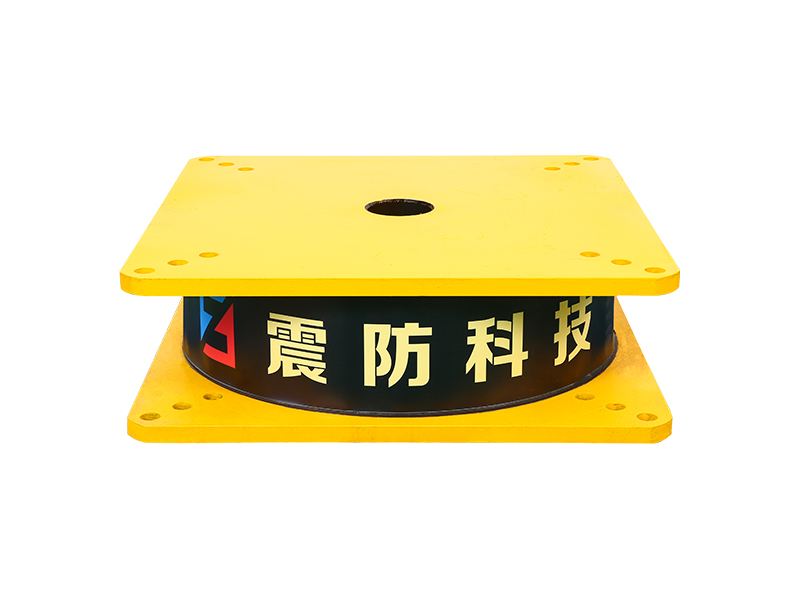
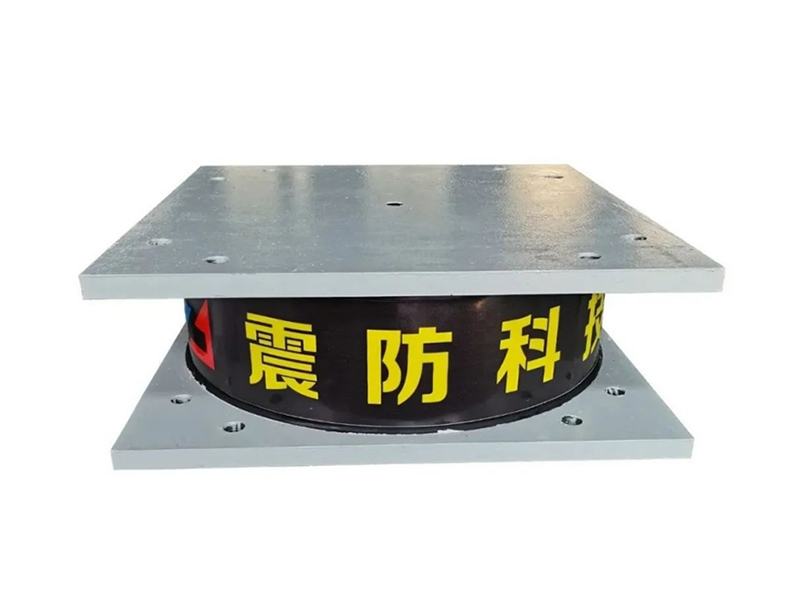
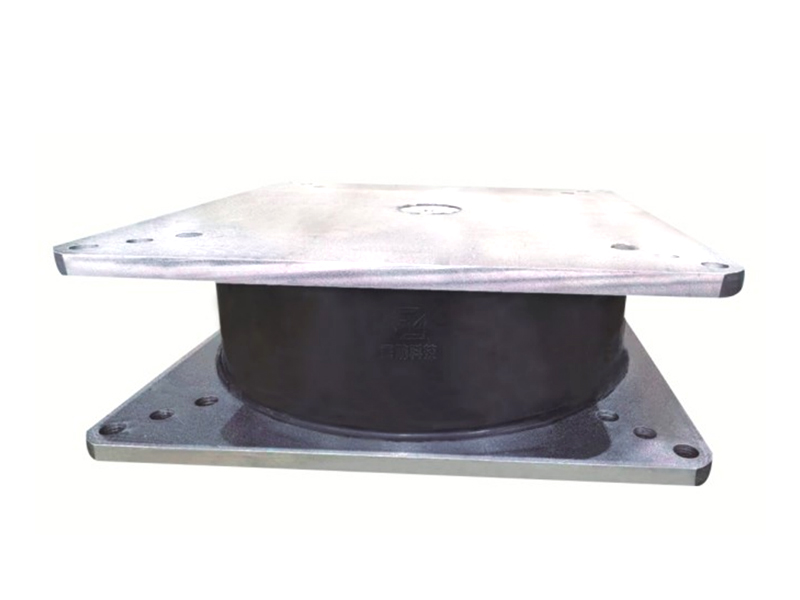
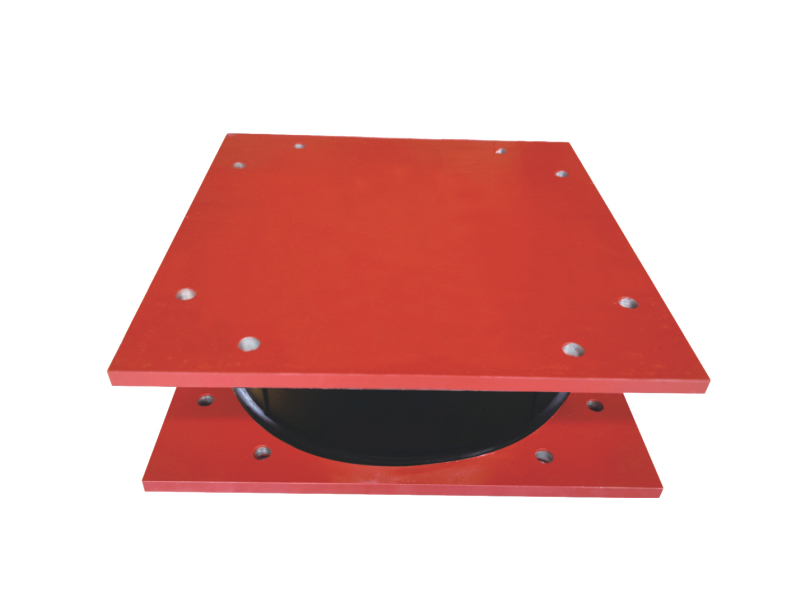
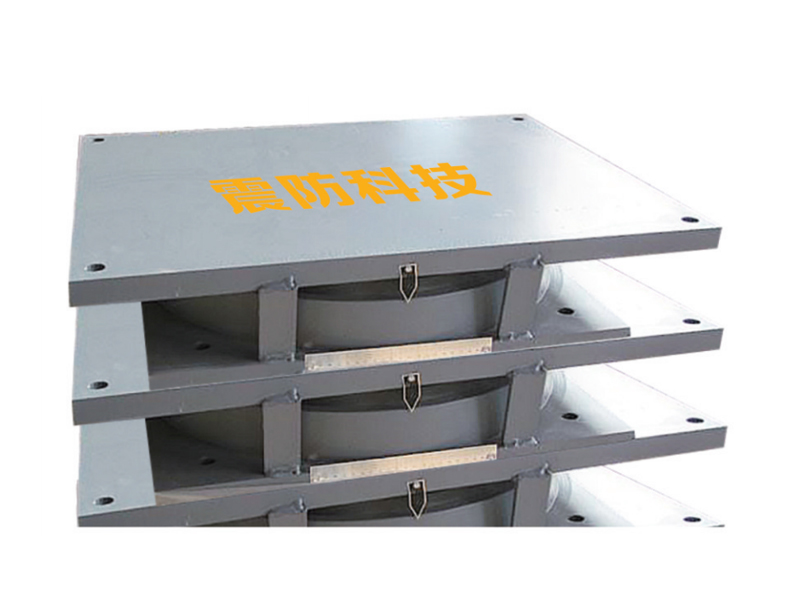
Many natural rubber bearing designs incorporate steel reinforcement layers within the bearing assembly.
To someone unfamiliar with bearing design, the steel may seem like a secondary component. In reality, these layers strongly influence how the rubber deforms under compression.
Without reinforcement, the rubber would tend to bulge more freely under load. The steel layers help control that deformation and guide how forces move through the bearing.
Engineers often describe the bearing as a system rather than a single material because its performance depends on the interaction between multiple components working together.
The behavior observed in service is rarely the result of rubber alone.
Edge Conditions Can Influence Stress Distribution
When engineers inspect an installed natural rubber bearing, they often pay attention to areas near the edges.
The center of the bearing typically experiences different stress conditions from the perimeter. Changes in load distribution, alignment, or movement can influence how forces concentrate within certain regions of the bearing over time.
This does not automatically indicate a problem. It simply reflects the reality that stresses are rarely distributed perfectly evenly across every part of a structural component.
On long-span bridges, where movement occurs repeatedly throughout seasonal cycles, these small differences become especially interesting during maintenance evaluations.
Bearings Often Reflect The Structure Above Them
A natural rubber bearing may appear passive, but it constantly responds to what the structure is doing.
If a bridge expands during summer, the bearing reacts. If traffic patterns change, the bearing responds again. If maintenance work alters load paths within the structure, the bearing experiences those effects as well.
Because of this, engineers sometimes view the bearing as an indicator of broader structural behavior.
Inspection findings can reveal information not only about the bearing itself, but also about how the entire structure has been performing over time.
Actually, some valuable maintenance insights begin with observations made at the bearing level.
Geometry Often Shapes Performance Before Material Limits Are Reached
To many people, a natural rubber bearing is simply a rubber component placed between structural elements.
Inside engineering practice, however, dimensions, proportions, reinforcement layout, and load paths often receive as much attention as the material itself. The way a bearing is shaped can influence movement, stress distribution, and long-term behavior throughout its service life.
The difficult part is not selecting a rubber compound.
It is designing a geometry that allows the bearing to respond predictably as the structure above it expands, contracts, moves, and carries load year after year.

The company has been adhering to the corporate tenet of "quality first, customer first", and sincerely welcomes domestic and foreign customers to visit and guide.
GET A QUOTE
Add: No. 359 Guangming West Road, Sanmen County, Taizhou City, Zhejiang Province, China
International Trade Manager: Madison
Tel/Whatsapp:+86-17857335842
Copyright © Zhejiang Earthquake Prevention Technology Co., Ltd. All Rights Reserved.
