

 English
 日本語
日本語 русский
 简体中文
简体中文
The company has been adhering to the corporate tenet of "quality first, customer first", and sincerely welcomes domestic and foreign customers to visit and guide.
GET A QUOTE
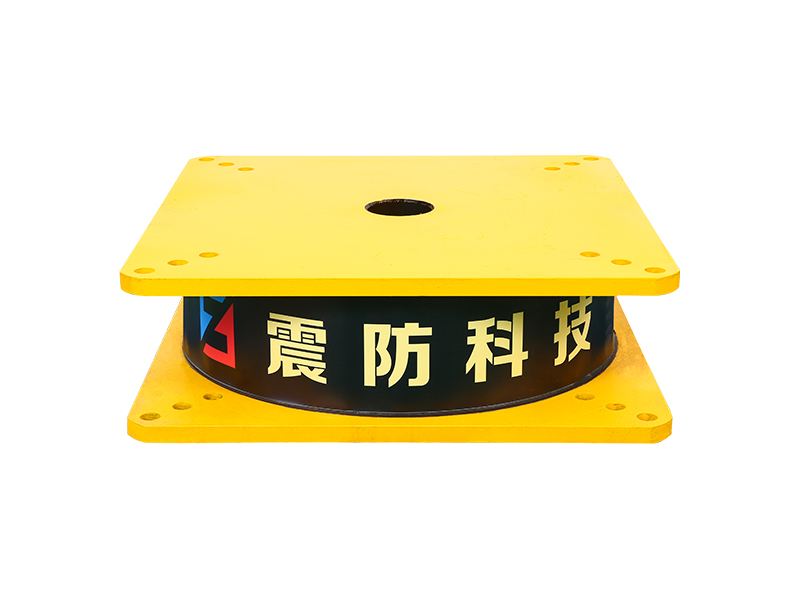
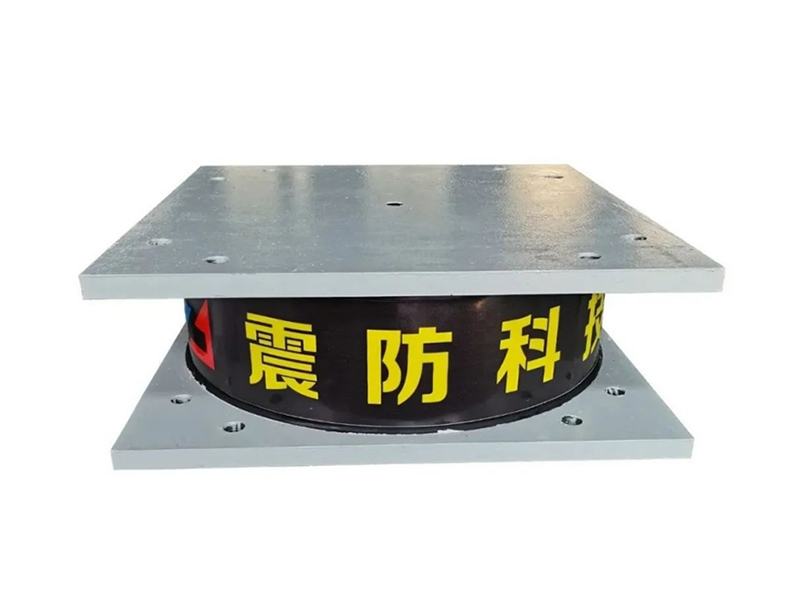
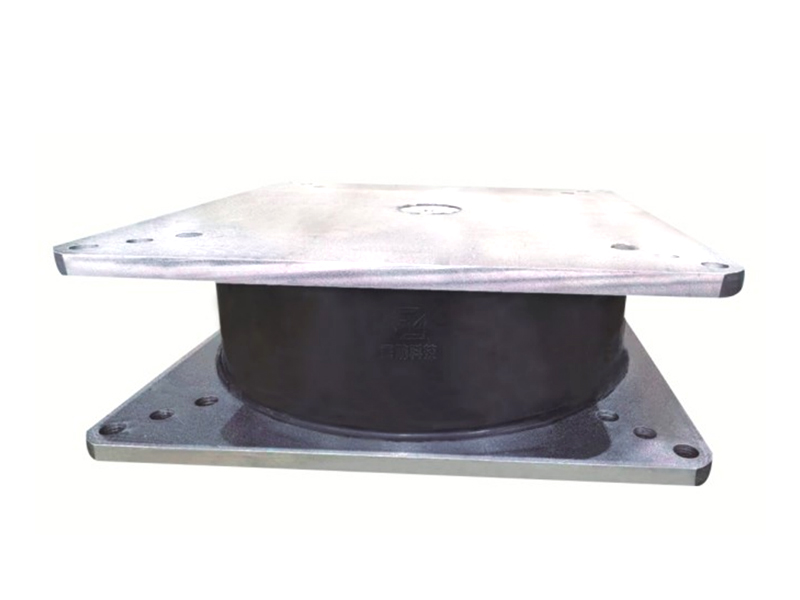
A seismic isolation bearing is usually associated with earthquakes, but engineers often spend far more time thinking about what happens between seismic events.
After a building is completed, the isolation system may sit beneath the structure for decades. During that period, the bearings are constantly supporting weight, responding to temperature changes, and accommodating small movements that occupants never notice. When engineers inspect older projects, one interesting observation sometimes appears: two buildings using a similar seismic isolation bearing design can show different aging characteristics after years of service.
The difference is not always related to earthquake activity.
In many cases, everyday operating conditions play a larger role than people expect.

Buildings Are Never Completely Still
From the outside, a completed structure appears stationary.
In reality, every seismic isolation bearing experiences movement throughout its service life. Temperature changes cause expansion and contraction. Wind creates minor structural displacement. Mechanical equipment introduces vibration. Even changes in occupancy or interior renovations can slightly alter how loads are distributed.
None of these movements are dramatic, but they occur repeatedly over many years.
During inspections, engineers sometimes find that bearings located beneath heavily used sections of a building have experienced different stress histories compared with bearings supporting less active areas. The isolation system remains functional, yet the operating environment has not been identical across the entire structure.
Load Distribution Changes Over Time
Design calculations establish how much weight each seismic isolation bearing is expected to support, but buildings rarely remain unchanged throughout their lifespan.
Mechanical rooms may receive new equipment. Data centers can add additional infrastructure. Interior spaces are renovated and repurposed. While these changes are usually within structural limits, they can influence how loads move through the isolation system.
Engineers reviewing older projects often compare original design assumptions with current building conditions. Sometimes the difference is small. Sometimes it helps explain why certain bearings exhibit slightly different long-term behavior than neighboring units.
Actually, the life of the building above the bearing often becomes part of the bearing's own service history.
Environmental Exposure Is Different On Every Project
A seismic isolation bearing installed beneath a coastal structure faces different conditions from one located in a dry inland region.
Humidity, temperature variation, airborne contaminants, and local climate all influence the environment surrounding the isolation system. Even within the same city, site conditions may differ significantly depending on location and building configuration.
Engineers sometimes notice that isolation components in sheltered areas age differently from those exposed to greater environmental fluctuation. This does not necessarily indicate a problem. It simply reflects the reality that no two projects experience exactly the same operating conditions.
The bearing may be designed according to the same standards, but its surroundings are rarely identical.
Inspection Records Often Tell A Larger Story
When evaluating a seismic isolation bearing, engineers rarely focus on a single inspection result.
Instead, they look for patterns that develop over time. Changes in displacement behavior, surface condition, or load response may reveal how the system has interacted with the structure during years of operation.
On some projects, inspection records show remarkably consistent performance across long periods. On others, subtle trends begin to emerge that reflect environmental exposure, load history, or operational changes within the building.
This is why long-term monitoring remains valuable even when no major seismic events occur. The isolation system is continuously collecting a history of how the structure behaves.
The Relationship Between Structure And Bearing
A seismic isolation bearing is often discussed as an individual product, but engineers rarely evaluate it in isolation.
The bearing interacts with columns, foundations, expansion joints, and the superstructure above. When one part of the building changes, the isolation system may experience those changes as well.
For example, modifications to structural mass, equipment placement, or occupancy patterns can all influence how forces move through the building. Over many years, these interactions help shape the operating conditions experienced by the bearings.
This is one reason experienced engineers often review the entire structural system rather than focusing only on the bearing itself.
Long-Term Performance Begins Long Before An Earthquake
To many people, a seismic isolation bearing becomes important only when an earthquake occurs.
Inside engineering practice, however, much of the attention is directed toward the decades before that event. Daily movement, environmental exposure, load redistribution, and routine building operation all influence how the isolation system ages over time.
The difficult part is not helping a structure move during seismic activity.
It is maintaining predictable behavior after years of supporting a building that is constantly changing in small ways, even when those changes are rarely noticed by the people inside.

The company has been adhering to the corporate tenet of "quality first, customer first", and sincerely welcomes domestic and foreign customers to visit and guide.
GET A QUOTE
Add: No. 359 Guangming West Road, Sanmen County, Taizhou City, Zhejiang Province, China
International Trade Manager: Madison
Tel/Whatsapp:+86-17857335842
Copyright © Zhejiang Earthquake Prevention Technology Co., Ltd. All Rights Reserved.
