

 English
 日本語
日本語 русский
 简体中文
简体中文
The company has been adhering to the corporate tenet of "quality first, customer first", and sincerely welcomes domestic and foreign customers to visit and guide.
GET A QUOTE
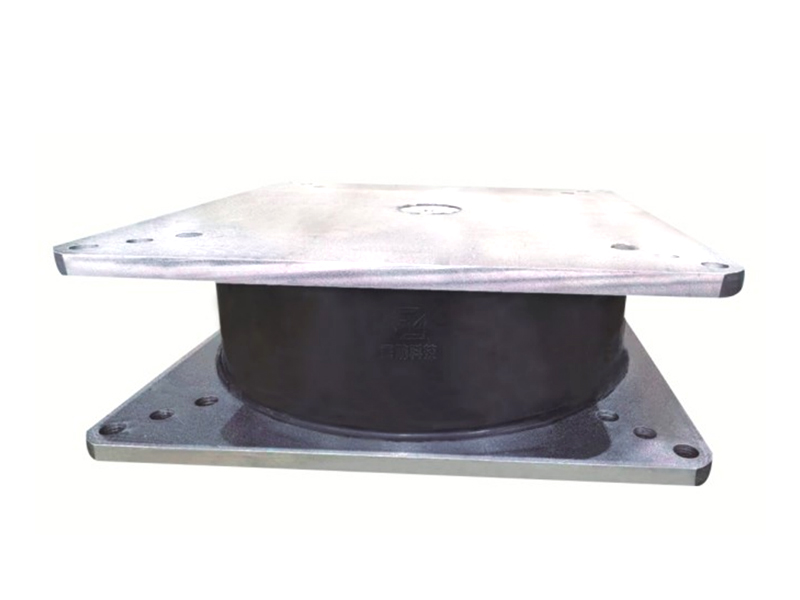
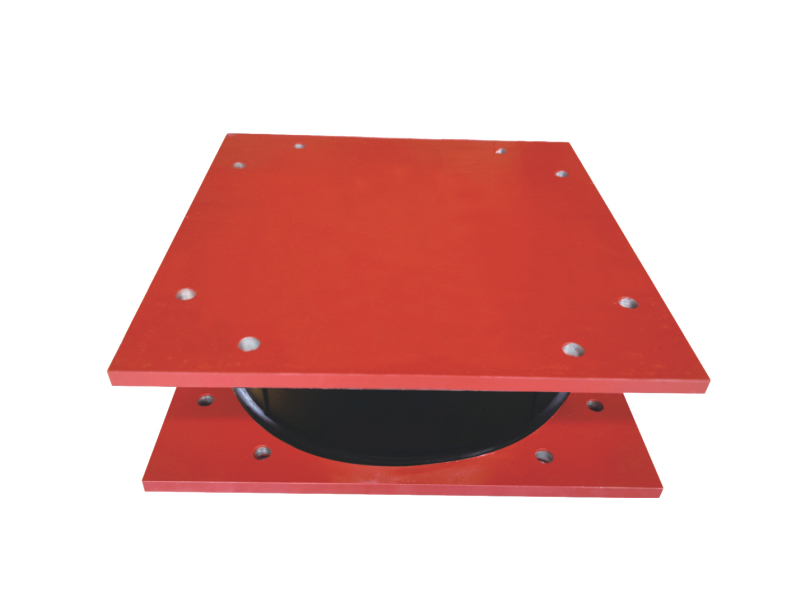
A high damping rubber bearing may look unchanged throughout the year, yet engineers know its behavior is never completely separated from the surrounding environment.
In seismic isolation projects, discussions often focus on displacement capacity, energy dissipation, or earthquake performance. However, during the decades between seismic events, the bearing is continuously exposed to changing temperatures, seasonal cycles, and daily weather conditions.
For isolation systems expected to remain in service for many years, understanding how temperature influences material behavior becomes just as important as understanding how the bearing reacts during a major earthquake.
Actually, some of the interesting characteristics of rubber isolation systems appear during ordinary operating conditions rather than during events.
Rubber Does Not Respond The Same Way In Every Season
A high damping rubber bearing works by combining flexibility with energy dissipation. The rubber layers allow movement, while the material itself helps absorb part of the energy entering the structure.
Temperature influences both of these functions.
During colder periods, rubber generally becomes stiffer. During warmer periods, it tends to become more flexible. The change may seem small from a visual perspective, but engineers often account for these variations when evaluating structural response.
This is particularly relevant in regions where winter and summer temperatures differ significantly. A bearing installed beneath the same building may behave slightly differently in January than it does in July, even though no visible change can be seen from the outside.
Daily Temperature Cycles Also Matter
When people think about environmental effects on high damping rubber, they often imagine long-term seasonal changes.
In reality, temperature can fluctuate noticeably within a single day. Sun exposure, shade conditions, and heat retained by surrounding structural elements all influence the local environment around the isolation system.
For bridges and exposed structures, these daily cycles can repeat thousands of times throughout the service life of the bearing.
Engineers study these conditions because repeated expansion and contraction do not only affect the rubber itself. Adjacent steel components, anchor systems, and supporting structures are also responding to the same environmental changes.
Actually, long-term performance often depends on how the entire isolation assembly reacts together rather than on the rubber alone.
Energy Dissipation Depends On Material Response
When engineers inspect a high damping rubber isolation system after years of service, one thing they often pay attention to is whether the bearing still "feels" the same under movement.
The reason is simple. Rubber does not react exactly the same way in every environment. A bearing exposed to long periods of low temperatures may respond differently from one installed in a warmer region, even when both are carrying similar structural loads.
On some projects, designers compare performance data collected during different seasons and find small changes in stiffness or movement characteristics. These differences are usually not large enough to affect normal operation, but they help explain why environmental conditions are considered during the design stage.
For engineers, the goal is not to make the bearing behave identically under every circumstance. It is to understand how the material responds as temperatures, loads, and operating conditions change over the years.
Aging And Temperature Often Work Together
A high damping rubber bearing is expected to remain in operation for many years.
During that time, the material experiences not only structural loading but also environmental exposure. Temperature, oxygen, moisture, and ultraviolet radiation can all contribute to gradual aging processes.
Engineers therefore evaluate durability through accelerated testing and long-term material studies. The goal is not simply to measure performance when the bearing is new, but to understand how it may behave after decades of service.
Actually, long-term reliability is often viewed as a combination of material design and environmental resistance rather than a single property of the rubber itself.
Real Structures Rarely Experience Ideal Conditions
Design calculations often begin with controlled assumptions, but actual buildings and bridges rarely operate in perfectly uniform environments.
A high damping rubber bearing beneath a shaded section of a structure may experience different temperatures than one exposed to direct sunlight. Nearby mechanical equipment, pavement surfaces, or enclosed spaces can also influence local conditions.
Because of this, engineers frequently evaluate the project environment as a whole instead of considering the bearing as an isolated component.
The behavior observed in service is often the result of many small factors interacting over time.
Performance Is Shaped Long Before An Earthquake Occurs
To many people, a high damping rubber bearing is associated with seismic protection during earthquake events.
Inside engineering practice, however, much attention is devoted to the years between those events. Temperature changes, environmental exposure, material aging, and everyday structural movement all contribute to the long-term behavior of the isolation system.
The difficult part is not helping a structure move during an earthquake.
It is ensuring that the material remains predictable after decades of responding to the ordinary environmental conditions that occur every day.

The company has been adhering to the corporate tenet of "quality first, customer first", and sincerely welcomes domestic and foreign customers to visit and guide.
GET A QUOTE
Add: No. 359 Guangming West Road, Sanmen County, Taizhou City, Zhejiang Province, China
International Trade Manager: Madison
Tel/Whatsapp:+86-17857335842
Copyright © Zhejiang Earthquake Prevention Technology Co., Ltd. All Rights Reserved.
