

 English
 日本語
日本語 русский
 简体中文
简体中文
The company has been adhering to the corporate tenet of "quality first, customer first", and sincerely welcomes domestic and foreign customers to visit and guide.
GET A QUOTE
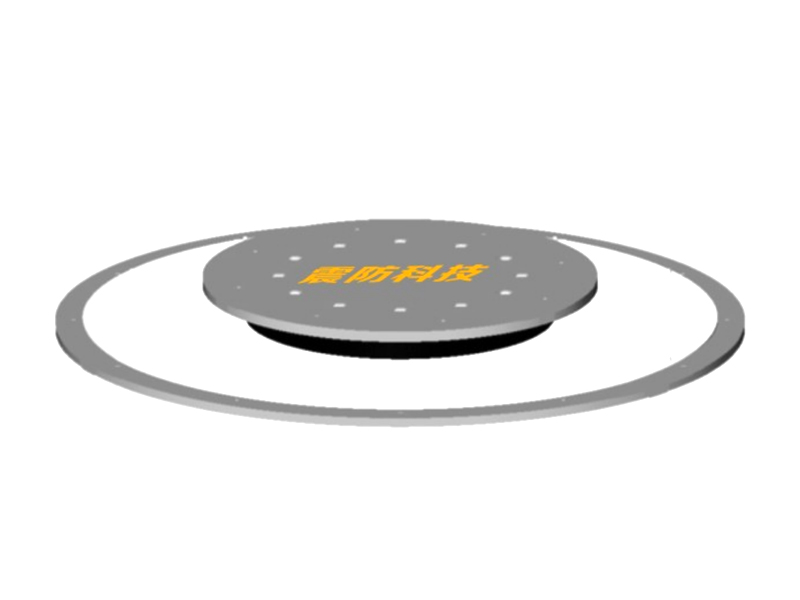
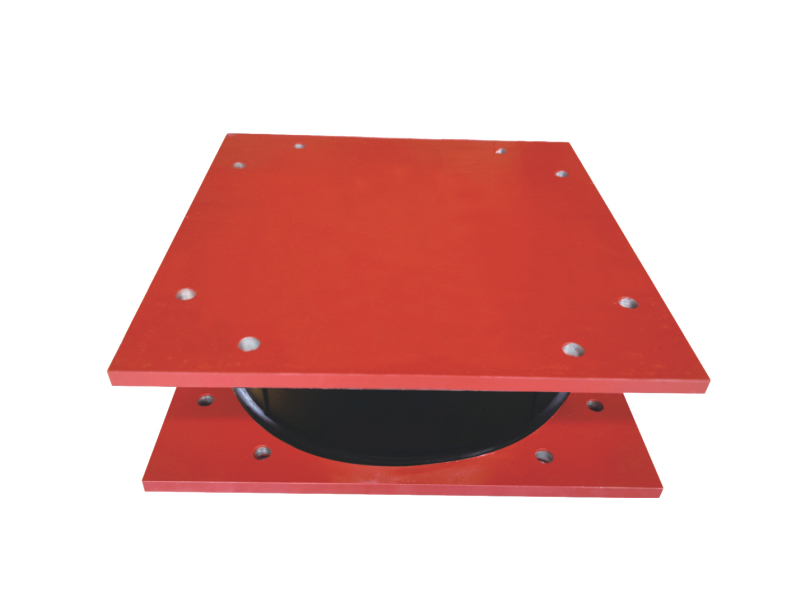
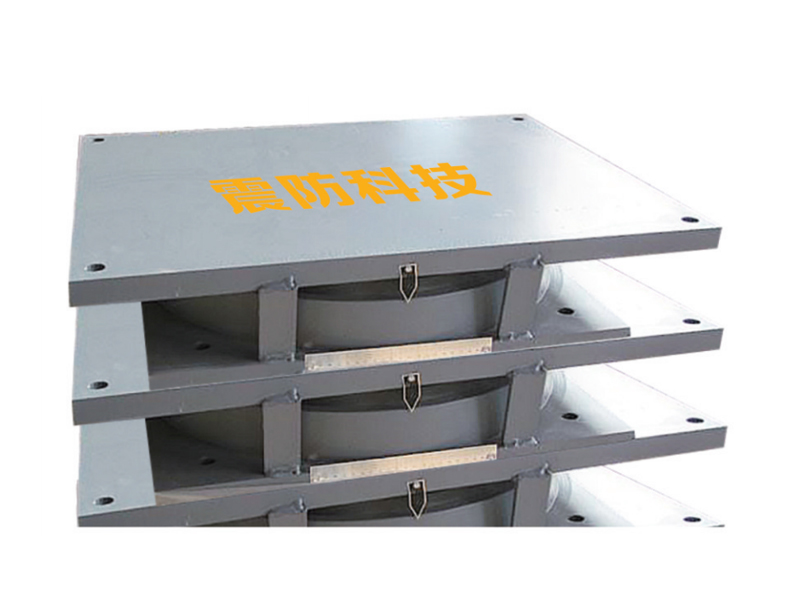
A friction pendulum slider may look almost identical from one seismic isolation project to another, yet engineers sometimes observe very different wear patterns after years of service.
In one structure, the sliding surface remains relatively stable. In another, inspection records may show polishing, localized wear marks, or changes in friction behavior that were not expected during the initial design stage.
The interesting part is that these differences do not always come from earthquake events.
Actually, the conditions between earthquakes often have a larger influence on long-term slider condition than people assume.
Small Daily Movements Create Long-Term Effects
A friction pendulum slider is designed to move during seismic activity, but buildings and bridges experience movement even when no earthquake occurs.
Temperature expansion, wind loads, traffic vibration, and minor structural adjustments all create small displacements throughout the year. Each movement may be tiny, but the cumulative effect can become significant over decades of service. The sliding interface is therefore not simply waiting for a seismic event. It is already interacting with the structure on a regular basis.
This is one reason maintenance engineers often pay attention to movement history rather than focusing only on seismic records.
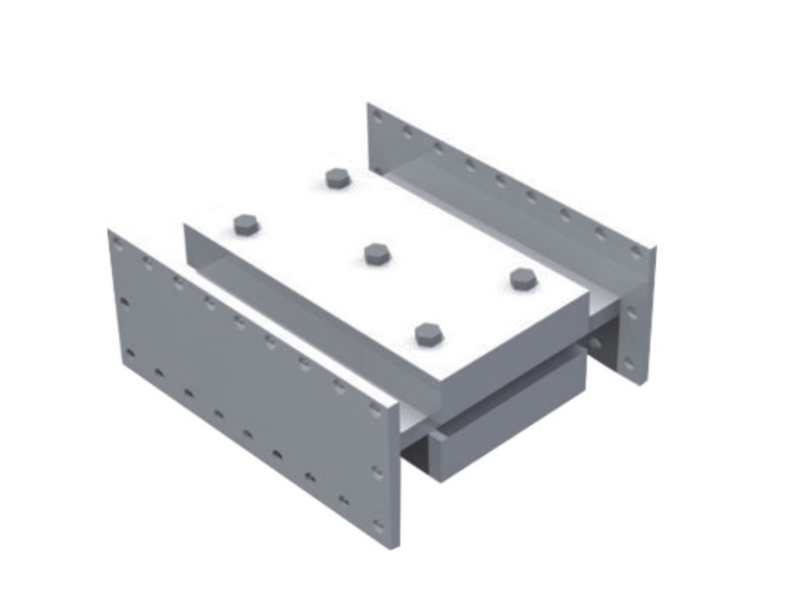
Surface Contact Is Rarely Nice
The performance of a friction pendulum slider depends heavily on the condition of its sliding surfaces.
In theory, contact pressure should distribute predictably across the interface. In practice, manufacturing tolerances, installation alignment, and structural loading can influence how contact actually develops over time.
Even slight differences in pressure distribution may gradually change the wear pattern. Areas carrying higher localized stress can experience different friction characteristics compared with sections under lighter loading.
Actually, many sliding systems reveal their load history through the wear marks left on the contact surface.
Environmental Conditions Influence Friction Behavior
When engineers discuss a friction pendulum slider, attention often goes to displacement capacity or damping performance.
Environmental exposure receives less attention, despite its influence on long-term operation. Temperature variation can affect friction characteristics, while moisture, dust, and airborne contaminants may influence surface conditions over extended periods. Research and industry experience both show that friction behavior can vary with operating conditions rather than remaining completely constant.
This becomes particularly relevant for structures located near coastlines, industrial facilities, or regions with large seasonal temperature changes.
Load Does Not Always Stay Uniform
A friction pendulum slider supports vertical load while allowing controlled horizontal movement. The assumption is often that building weight remains relatively stable.
However, actual structures change throughout their service life. Renovations, equipment upgrades, occupancy changes, and additional mechanical systems may alter load distribution within the building.
Over time, these changes can influence how force transfers through individual isolation components. Engineers sometimes discover that sliders located beneath mechanical rooms or heavily loaded structural zones show different surface conditions than those supporting lighter areas.
Actually, the slider is responding not only to earthquakes but also to the evolving life of the building above it.
Material Pairing Often Determines Long-Term Performance
The sliding interface inside a friction pendulum slider relies on carefully selected materials to maintain predictable friction and energy dissipation. Friction pendulum systems typically use specialized sliding materials working against stainless steel or other engineered surfaces to achieve stable performance.
What makes this important is that wear is not determined by a single material alone. It is the interaction between both contact surfaces that influences long-term behavior.
Engineers evaluating older isolation systems often examine whether the friction characteristics remain within the intended design range rather than focusing solely on visible wear.
Long-Term Reliability Depends On More Than Earthquakes
To many people, a friction pendulum slider becomes relevant only when a major earthquake occurs.
Inside seismic isolation engineering, however, much of the attention is directed toward everything that happens before that event. Daily movement, environmental exposure, load redistribution, and surface interaction continuously shape the condition of the sliding system throughout its service life. Friction pendulum bearings rely on controlled sliding and frictional energy dissipation, making surface condition an important part of long-term performance.
The difficult part is not allowing the slider to move during an earthquake.
It is maintaining predictable friction behavior after years of small movements that quietly occur while the structure goes about its normal operation.
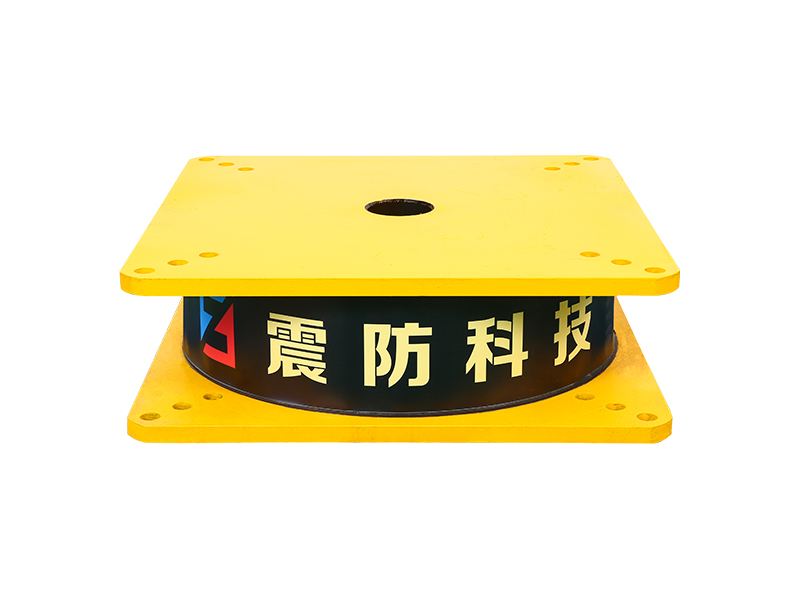
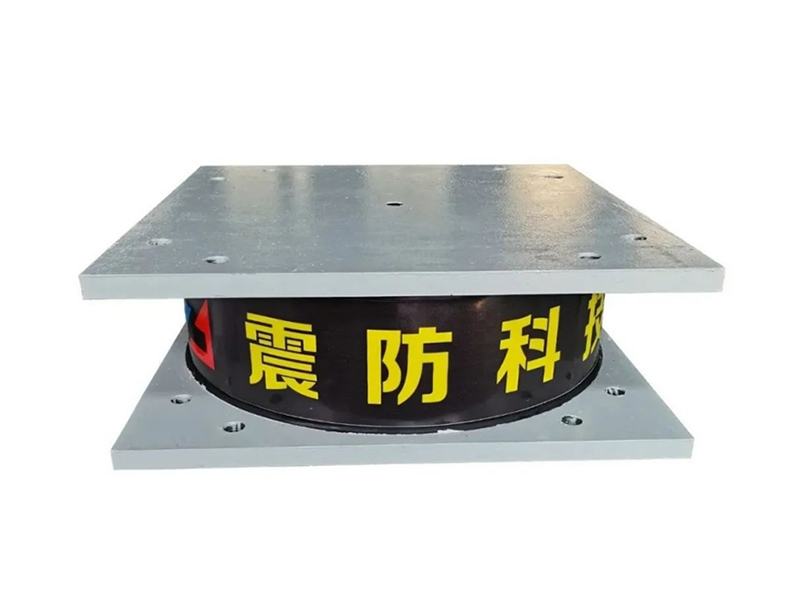
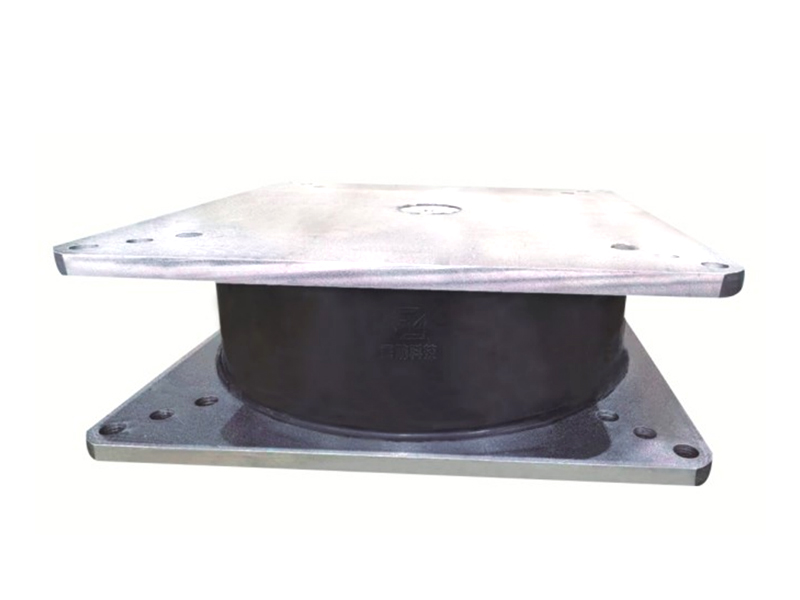

The company has been adhering to the corporate tenet of "quality first, customer first", and sincerely welcomes domestic and foreign customers to visit and guide.
GET A QUOTE
Add: No. 359 Guangming West Road, Sanmen County, Taizhou City, Zhejiang Province, China
International Trade Manager: Madison
Tel/Whatsapp:+86-17857335842
Copyright © Zhejiang Earthquake Prevention Technology Co., Ltd. All Rights Reserved.
