

 English
 日本語
日本語 русский
 简体中文
简体中文
The company has been adhering to the corporate tenet of "quality first, customer first", and sincerely welcomes domestic and foreign customers to visit and guide.
GET A QUOTE
Two buildings can use the same viscoelastic damper system and still behave very differently during strong wind or seismic movement.
In some projects, occupants immediately notice reduced vibration and quieter floor movement. In others, the building still feels uncomfortable even though the damping devices technically meet the design requirements on paper.
Inside structural engineering, this often comes down to placement rather than simply adding more dampers.
Experienced engineers know a poorly positioned viscoelastic damper may absorb far less energy than expected because the building itself does not deform evenly during vibration.
Actually, some dampers work hardest in areas that visually appear to move the least.
When wind or seismic force enters a structure, each floor responds slightly differently.
Certain zones experience larger interstory drift, while others remain comparatively stable depending on stiffness distribution, bracing layout, and structural geometry. A viscoelastic damper only becomes effective when enough relative movement occurs across the device itself.
That is why engineers often study:
Actually, installing dampers symmetrically does not always produce balanced damping performance once the building begins moving dynamically.
Many people assume the center of the structure handles the largest vibration demand.
In practice, corner sections of taller buildings often experience complicated torsional movement during wind loading. A viscoelastic damper placed near these regions may dissipate energy differently compared with devices installed closer to the structural core.
This becomes especially important in:
Actually, engineers sometimes reposition dampers late in the design process after discovering unexpected torsional response during simulation analysis.
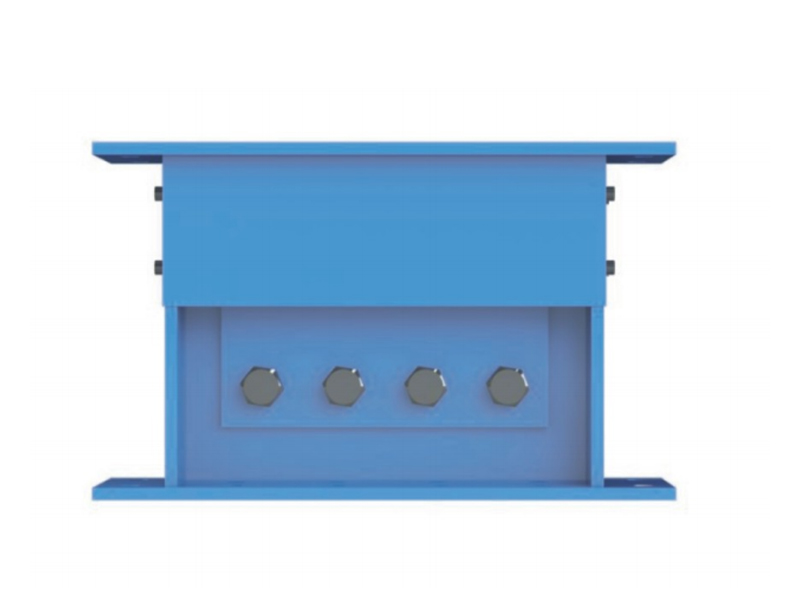
One detail often underestimated outside the industry is temperature sensitivity.
A viscoelastic damper relies on material deformation to dissipate vibration energy into heat. The damping material itself changes stiffness characteristics under different environmental conditions.
In colder environments, the material may behave more stiffly. At higher temperatures, deformation characteristics may soften slightly.
This affects:
Actually, some engineers evaluate damping performance across seasonal temperature ranges rather than relying on a single design condition.
Not all structural movement behaves the same way.
A viscoelastic damper responding to long-duration wind vibration operates differently from one handling short, intense seismic loading. Wind usually creates repeated low-amplitude motion, while earthquakes may generate sudden large displacement demands within seconds.
That difference changes how the material dissipates energy internally.
Experienced designers therefore consider:
Actually, some damping systems perform extremely well under wind vibration but require additional evaluation for major seismic applications.
Adding a viscoelastic damper to an existing building is often harder than designing around one from the beginning.
Older structures may contain irregular framing, limited installation space, or inconsistent stiffness between floors. Engineers sometimes need to balance structural efficiency against practical construction limitations.
This becomes common in:
Actually, retrofit layouts are frequently shaped more by existing building constraints than by ideal theoretical positioning.
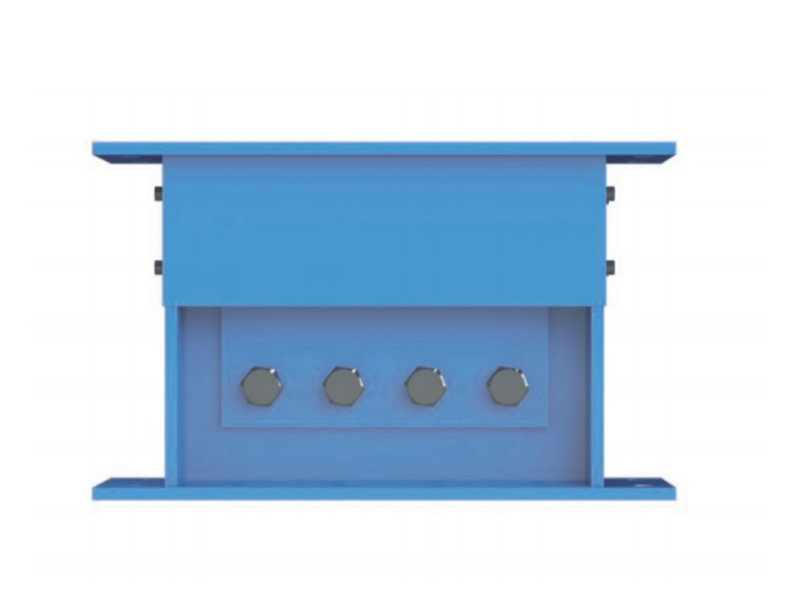
To people outside structural engineering, a viscoelastic damper may resemble a simple mechanical attachment between steel members.
Inside real projects, however, placement strategy strongly affects how much vibration energy actually reaches the device during building movement. Engineers are not only selecting dampers — they are deciding where the structure naturally wants to deform and where energy can be dissipated more efficiently.
The difficult part is not adding more damping devices.
It is understanding how the building itself moves before deciding where a damper can realistically contribute meaningful vibration control.
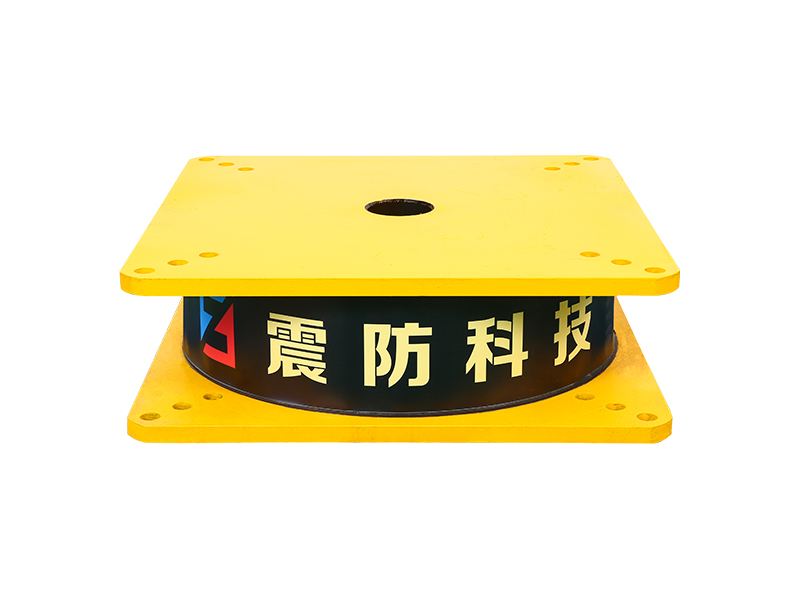
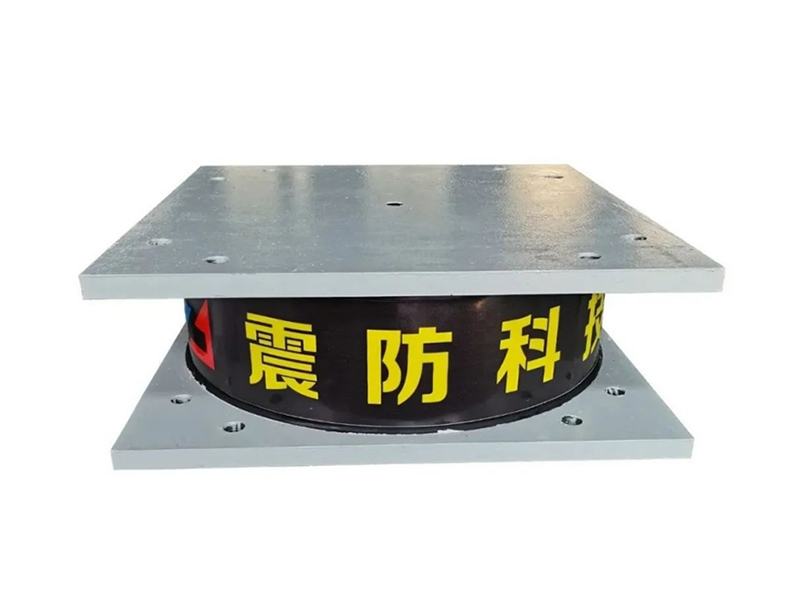
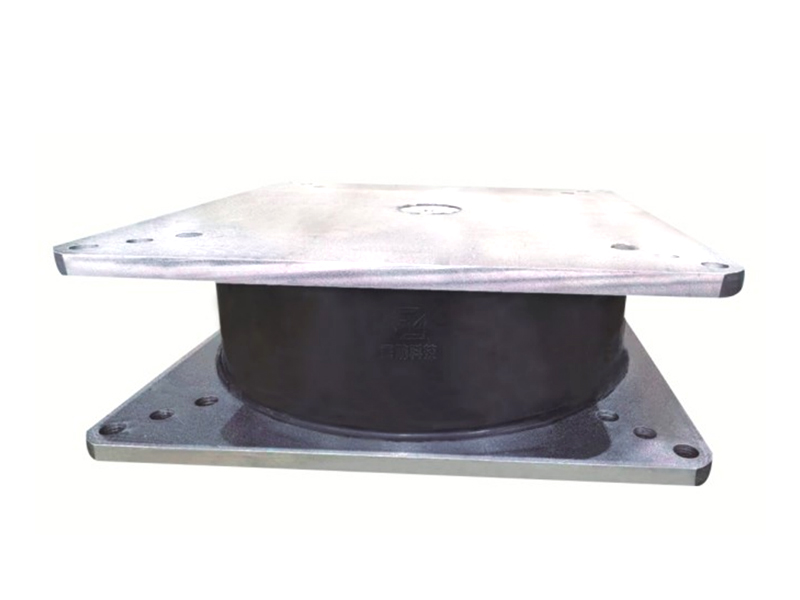

The company has been adhering to the corporate tenet of "quality first, customer first", and sincerely welcomes domestic and foreign customers to visit and guide.
GET A QUOTE
Add: No. 359 Guangming West Road, Sanmen County, Taizhou City, Zhejiang Province, China
International Trade Manager: Madison
Tel/Whatsapp:+86-17857335842
Copyright © Zhejiang Earthquake Prevention Technology Co., Ltd. All Rights Reserved.
